← The Global Intelligence Brief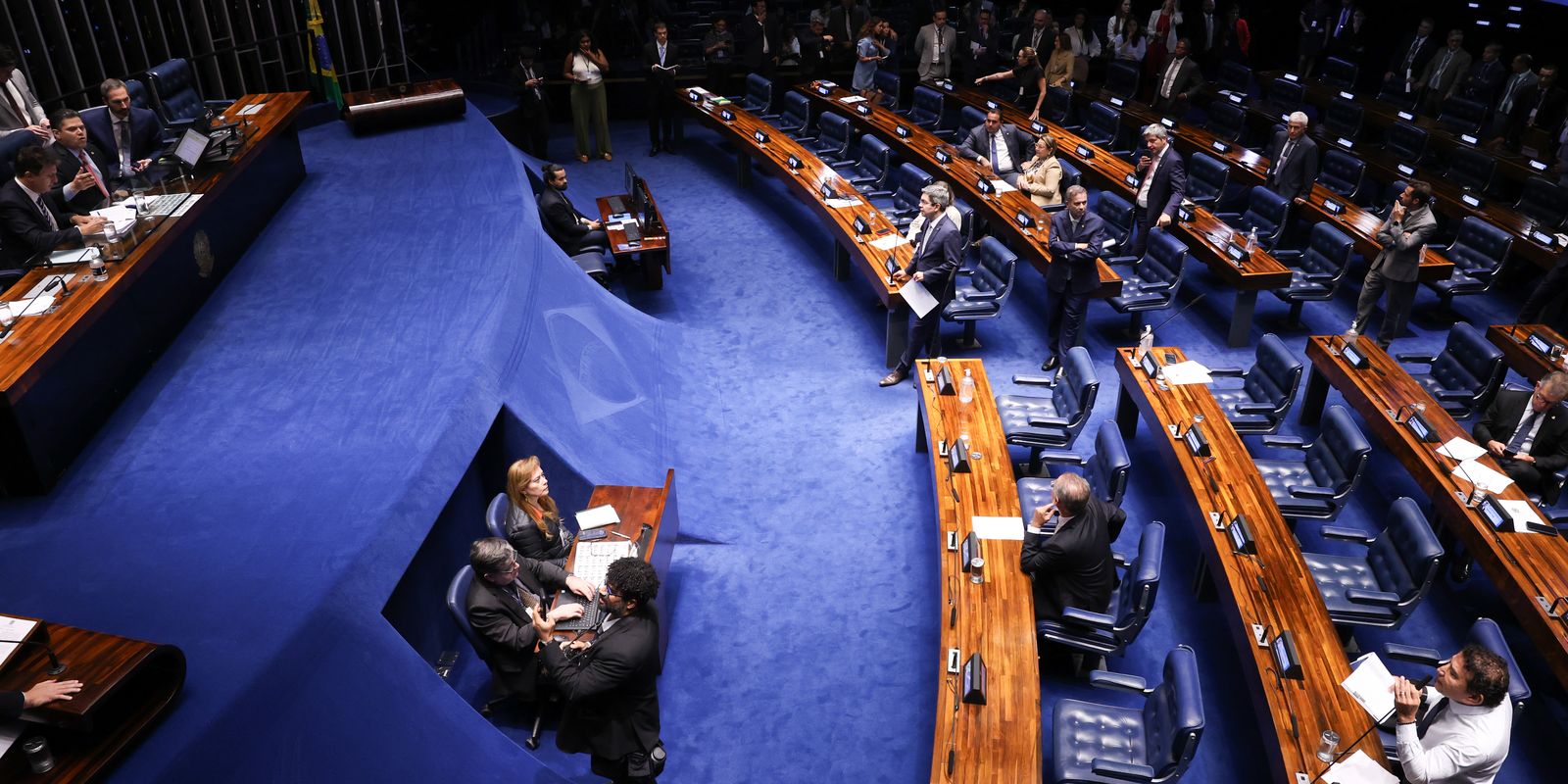


 4 sources
Morning Edition · Friday, November 13, 2026Published at 12:14 AM EST · New York
Brazil's Senate Passes the Core of a Fiscal Package by 45 to 31 as Losses on Bank Loans Rise
The bill aims to save 50 billion to 60 billion reais in 2027. The four largest listed banks booked loan-loss provisions of 49.9 billion reais in the third quarter, a record and more than double their combined profit.
After nearly four hours of voting, Brazil's Senate approved the base text of the government's fiscal adjustment bill by 45 votes to 31 on Thursday, state news agency Agência Brasil reported. The bill needed 41 votes. It combines spending restraint with higher revenue. The government estimates savings of 50 billion to 60 billion reais.
The bill, known as PLP 299/2026, cuts tax benefits by another 10%. That is the same cut applied at the end of 2025. It also caps real spending growth at 2% in years when cuts are needed to meet the fiscal target. Senators vote on proposed amendments on Tuesday, November 17, and the bill then goes to the Chamber of Deputies. The government says the bill is needed to move the 2027 budget forward. The opposition leader said it raises taxes without cutting spending, TV Senado reported.
The banking sector is under strain. Folha reported that the four largest listed banks set aside a record 49.9 billion reais in the third quarter to cover expected loan losses. That is more than double their combined net profit. Banco do Brasil, the state-controlled bank and the largest lender to agriculture, drew the most attention. Farm groups criticized comments by its management on rural defaults. The bank then said 90% of its agribusiness clients are current on payments. It said late payments are concentrated among medium and large soybean, corn and cattle producers in the Center-West region.
The defaults follow a cycle of credit that was subsidized and directed by the state. Cheap rural credit financed expansion at prices for land and crops that have since fallen. High interest rates are now exposing loans that made sense only under easier conditions.
Part of a tracked trend
Emerging-Market Elections Turn on Fiscal Credibility
In large emerging markets, polarised elections keep making fiscal rules and congressional arithmetic, rather than the identity of the winner, the main determinant of currency and local-rate pricing.
What this means
Two channels meet here. The fiscal bill shows that the government can still get a majority for revenue measures after the election, which supports the real and local interest rates at the margin. Its reliance on cutting tax benefits rather than structural spending limits its credibility over several years. The banking data show the cost of directed credit as it comes due. The exposed parties are Banco do Brasil shareholders, farm-land values in the Center-West, and bank lending capacity in 2027. The fiscal vote was largely expected. The size of the provisions is new and may not be fully priced into bank stocks. The consensus may treat the agricultural defaults as isolated to a few borrowers. A precedent is the late 2010s, when Brazil's state banks absorbed large losses on directed credit and the Treasury had to recapitalize them or support them through policy changes. The desk's read is that Brazilian banks will likely keep provisions high and slow agricultural lending over the next few quarters, which will press the government to provide rural debt relief. That holds as long as crop prices stay weak and rates stay high. This read is wrong if fourth-quarter provisions fall sharply, which would show the losses peaked in the third quarter.
What to watch
- The Chamber of Deputies vote on the fiscal bill. Changes that weaken the spending cap would reduce the bill's value to bond investors.
- Any government proposal to renegotiate or relieve rural debt. Relief would move bank losses onto the public budget.
- Banco do Brasil's fourth-quarter provisions. They will show whether the agricultural default cycle is still growing.
Observations to monitor, not financial advice.
Synthesized from: Agência Brasil · Folha (Mercado) · InfoMoney · Folha (Mercado)
Townsquare
Start a discussion in Townsquare.
More from this edition
- Rate-Hike Bets Lift the Dollar to a 19-Month High and Push Gold to a 13-Month Low
- Jensen Huang Resigns as Nvidia Chief Executive, and Washington Turns Its Scrutiny to the Company's China Exports
- Iran Says It Struck a US Radar Site in Bahrain and Warns That Bases in Europe Could Be Targets
- Oil Heads for a Second Weekly Loss as Trump Says No Iran Deal Is Needed and US Crude Stocks Rise
- Yen Weakens Past 160 per Dollar, and Japan's Finance Minister Warns of Action
- US Envoys Say Europe Will Join the Next Round of Ukraine Talks After Meeting Putin in the Kremlin
- Bitcoin Falls Below $70,000 and More Than $1.3 Billion in Crypto Futures Positions Are Liquidated
Comments
0No comments yet.