← The Global Intelligence Brief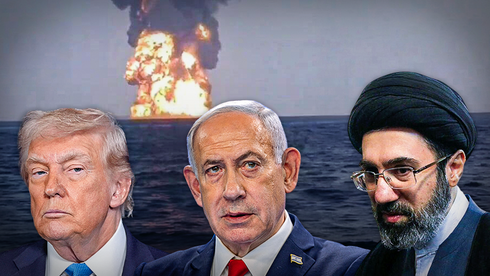
Morning Edition · Friday, November 20, 2026Published at 12:09 AM EST · New York
Trump Defers a Decision on New Strikes Against Iran to Next Year While Israel Presses for a Joint Campaign
Israeli officials say their opportunity to strike Iran's nuclear sites is narrowing as Tehran moves facilities into deeper, protected locations, and Trump says he is "not rushing."
President Trump appears to have moved a decision on renewed major strikes against Iran into next year, Haaretz reported. He had earlier suggested the question could be decided after this month's midterm elections. "We've got time," he said, and he told reporters he is "not rushing into any decision."
Israel is pressing for action. An Israeli official told Globes, in Hebrew, that Israel is "waiting for Trump" and that the chances of action in Iran are rising. Citing Western sources, the paper reported that the head of Mossad, Israel's foreign intelligence agency, presented the Americans with information on progress in Iran's nuclear program. According to a New York Times report summarized by other outlets, Prime Minister Benjamin Netanyahu has proposed a joint American-Israeli air campaign of four to seven days. Israel's ambassador to Washington said the decision lies with Trump and that Israel would join if he chose to attack.
Ynet's analysis, translated from Hebrew, describes the Israeli concern. Tehran is escalating its rhetoric and threatening senior Trump administration officials, and Israel fears its opportunity to strike is narrowing. The deeper Iran buries its facilities and the more it moves them to protected areas, the harder they become to hit. Ynet notes that Israel's defense establishment is focused on Iran while coalition talks to form a government continue. Trump has offered a new rationale, saying there is "indication that Iran is looking at gases, looking at bio, because we've shut them out with the nuclear." Neither government has published evidence for that claim.
Iranian state media is presenting calm at home. On Thursday, IRNA's Farsi service carried footage of flag ceremonies in Hamedan and described them as scenes of public solidarity with the national flag. That is the message Tehran wants seen while the United States keeps a naval blockade on Iranian ports.
Townsquare
Start a discussion in Townsquare.
More from this edition
- S&P 500 and Dow Close in Correction as Nasdaq Falls 5.28% and Nvidia Drops 14%, a Day After Anthropic's Debut
- Gold Falls to a 14-Month Low as Traders Price a December Rate Increase by the Federal Reserve
- Brent Rises Toward $93 After Houthi Missiles Target Riyadh, but Crude Heads for a Third Weekly Loss
- Trump, Putin and Xi Issue a Nuclear Declaration in Shenzhen but Announce Few Concrete Deals
- Bitcoin Slips Below $62,000 and Strategy Shares Fall for a Sixth Straight Session
- Brazil's Central Bank Sells $1 Billion Outright, but the Real Weakens for a Sixth Session to About 5.93 per Dollar
- Russia Launches a Mass Missile Attack on Kyiv a Day After Strikes Damage the Dutch and Austrian Embassies
Comments
0No comments yet.