← The Global Intelligence Brief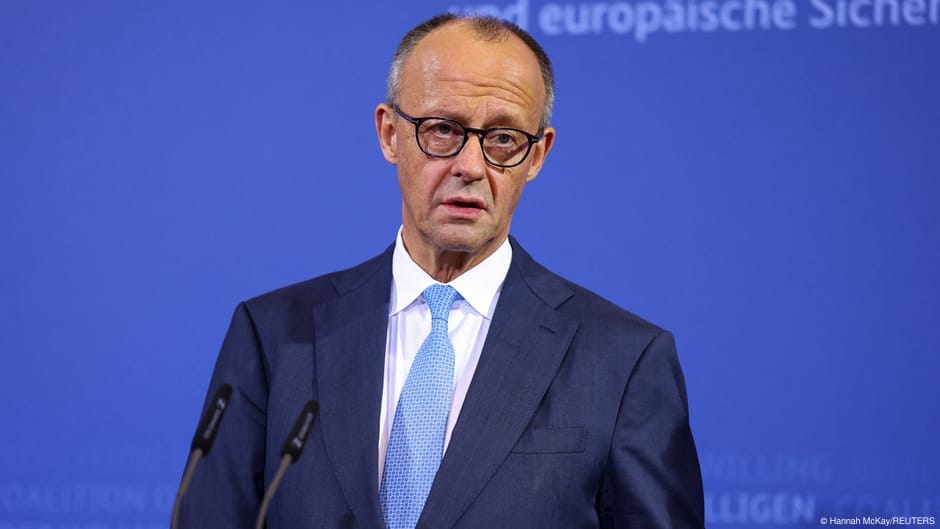
Morning Edition · Friday, November 20, 2026Published at 12:09 AM EST · New York
Merz Says Europe Will Join New Ukraine Talks "Soon" as Kushner Says Trump Would Take Security Guarantees to Congress
The opening comes as European governments tighten sanctions on Russia while Washington loosens them, and as US auditors find that the Pentagon has no long-term plan to raise munitions output.
German Chancellor Friedrich Merz said European leaders could take part in new Ukraine talks on "neutral ground" to be held soon, Deutsche Welle reported. Britain and European Union countries have asked for a seat at meetings that have so far brought together the United States, Russia and Ukraine.
Washington is offering Kyiv a more formal guarantee. Jared Kushner, the US special envoy, told a press conference in Berlin that President Trump is ready to act through the US Congress to provide security guarantees to Ukraine, the Russian business daily Kommersant reported. A guarantee approved by Congress would be harder for a later administration to withdraw than an executive commitment.
The United States and Europe are applying different pressure on Moscow. The Economist writes that the two sanctions regimes are pulling in opposite directions: Europe is tightening and America is loosening. In October, Trump signed an executive order waiving newly passed Russia sanctions, citing the US national interest.
European influence is limited by military supply. Kommersant, citing a report by the US Government Accountability Office (GAO), reported that the Pentagon has no long-term plan to increase munitions production. Moscow is courting opinion inside Europe. TASS gave prominence to Steffen Kotre, a Bundestag member for the Alternative for Germany, who called the Shenzhen meeting of Trump, Putin and Xi historic and said dialogue among the major powers had diplomatic value.
Part of a tracked trend
Great Powers Negotiate Ukraine Over Europe's Head
Washington, Moscow and Beijing increasingly treat the end of the Ukraine war as a bargain among themselves, so European governments and Kyiv keep losing influence over the terms while being asked to fund the outcome.
Veracity: Plausible
Townsquare
Start a discussion in Townsquare.
More from this edition
- S&P 500 and Dow Close in Correction as Nasdaq Falls 5.28% and Nvidia Drops 14%, a Day After Anthropic's Debut
- Gold Falls to a 14-Month Low as Traders Price a December Rate Increase by the Federal Reserve
- Brent Rises Toward $93 After Houthi Missiles Target Riyadh, but Crude Heads for a Third Weekly Loss
- Trump, Putin and Xi Issue a Nuclear Declaration in Shenzhen but Announce Few Concrete Deals
- Bitcoin Slips Below $62,000 and Strategy Shares Fall for a Sixth Straight Session
- Brazil's Central Bank Sells $1 Billion Outright, but the Real Weakens for a Sixth Session to About 5.93 per Dollar
- Trump Defers a Decision on New Strikes Against Iran to Next Year While Israel Presses for a Joint Campaign
Comments
0No comments yet.