← The Global Intelligence Brief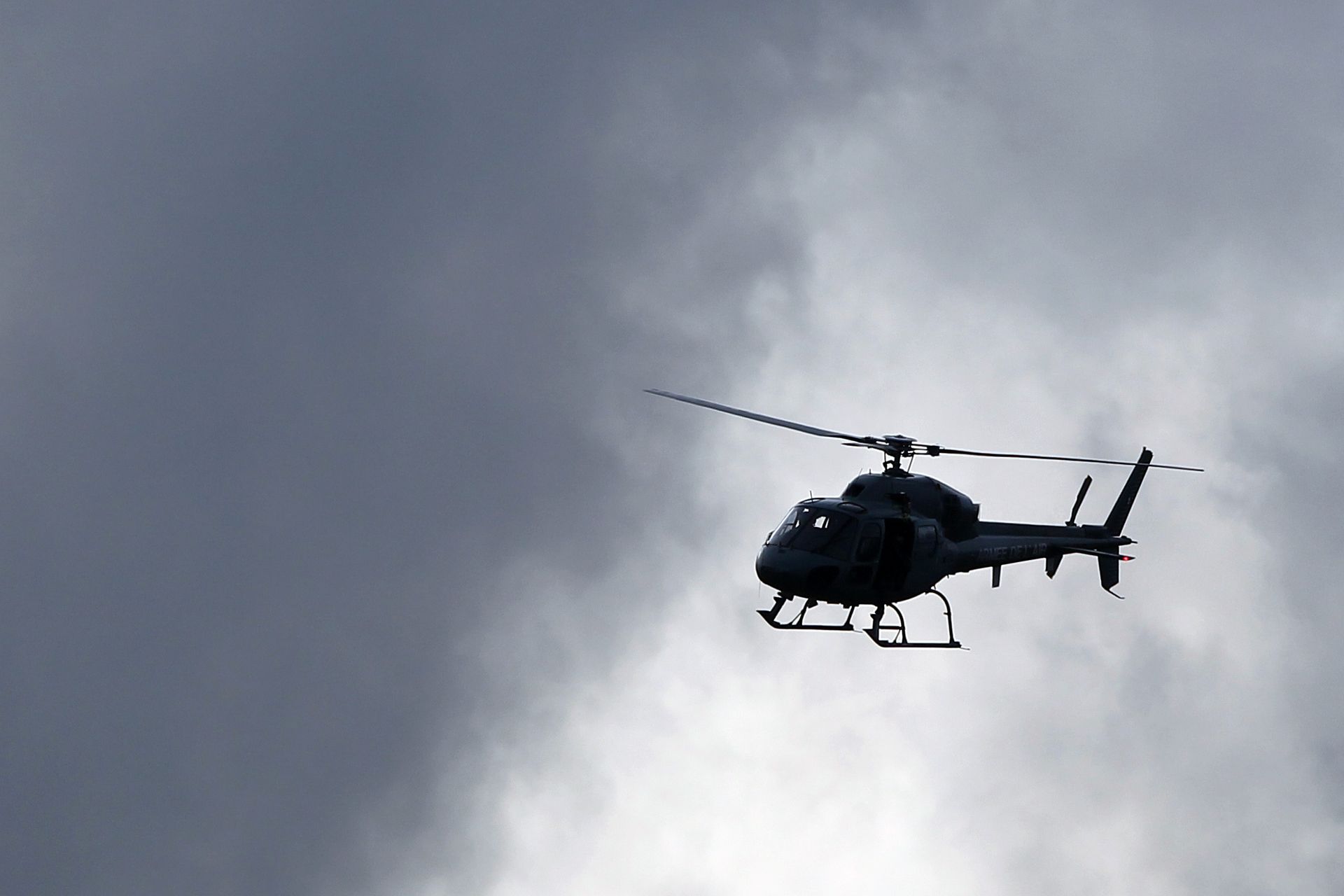
Morning Edition · Sunday, November 22, 2026Published at 12:06 AM EST · New York
Russian Missiles Land in Poland as Trump Tells Europe It Is Spending Too Much on Ukraine
Moldova and Finland reported Russian airspace violations a day later, and Britain agreed to build long-range strike drones for Kyiv in British factories.
Two suspected Russian missiles and a jet-powered drone came down on Polish territory on Friday during a Russian attack on Ukraine. Poland's prime minister called it a likely provocation timed to European military exercises in Poland, which are preparing for a possible postwar mission in Ukraine, Al Jazeera reported. Mark Rutte, the Secretary-General of the North Atlantic Treaty Organization (NATO), called it a "grave violation" of Polish airspace. The sources reviewed contained no response from Moscow, and investigators have not yet published findings. A 2022 incident in which a missile killed two people in Poland was later traced to Ukrainian air defense. On Saturday, Moldova and Finland each reported separate Russian violations of their airspace, the Kyiv Independent reported.
The same day the missiles landed, Washington questioned the cost of Europe's support for Ukraine. President Donald Trump joined a Berlin meeting of the "Coalition of the Willing" by telephone and told European leaders they were spending too much on Ukraine, according to President Volodymyr Zelensky, as InfoMoney reported. Politico, via Liga.net, cited three sources who said Trump questioned further billions in aid. Ukraine faces a funding gap of 70 billion euros in 2027. German Chancellor Friedrich Merz wants all 27 European Union members to share the cost, according to Yahoo News.
Europe is moving to supply Ukraine with weapons itself. Kyiv and London finalized an agreement under which British factories will build "middle strike" and long-range drones for Ukraine, Ukraine's Defense Ministry said. The Pentagon has issued a memo limiting "social activities" with the Canadian military, The New York Times reported. The paper said the memo has not affected joint operations, including the shared air-defense command, the North American Aerospace Defense Command (NORAD).
Washington is negotiating directly with Moscow and Beijing, while European governments pay for Ukraine's war effort and take on more of the military risk. The incidents along NATO's eastern border add to that risk.
Part of a tracked trend
Townsquare
Start a discussion in Townsquare.
More from this edition
- Chip Rout Erases Nasdaq's 2026 Gains as Traders Fully Price a December Fed Hike
- Bahrain Says Iran Struck an Industrial Site as Two Tankers Were Hit Leaving Hormuz
- Gold Has Its Biggest Weekly Loss Since March as Bitcoin Climbs Back Above $60,000 From a Two-Year Low
- Trump Calls Putin and Xi 'Friends' After a Shenzhen Declaration That Left Out Ukraine and Iran
- Anthropic Falls 8.5% in Its First Full Trading Day After a Record $81.3 Billion Listing
- Trump Threatens a 'Tremendous Tax' on US Companies That Build AI Data Centers Abroad
- Argentina Approves a $51 Billion YPF-Led Gas Export Project as the Strong Dollar Tests Milei's Peso Policy
Comments
0No comments yet.