← The Polylog AI Intelligence Brief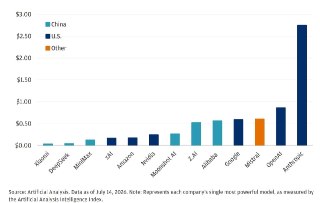
Morning Edition · Sunday, July 26, 2026Published at 1:32 AM EDT · New York
Moonshot's Kimi K3 Becomes the Largest Open-Weight Model, but Abandons Discount Pricing
The 2.8-trillion-parameter Chinese model scores 93.5% on GPQA Diamond and prices output at $15 per million tokens, roughly matching US flagships rather than undercutting them.
Moonshot AI released Kimi K3 on July 16, a 2.8-trillion-parameter multimodal reasoning model with a 1-million-token context window and downloadable weights expected around July 27. Independent trackers report it as the largest open-weight model shipped to date, with a GPQA Diamond score of 93.5%, the strongest reported for any open-weight system.
The pricing complicates the common view that Chinese labs always compete on lower cost. Kimi K3's API lists at $3 per million input tokens and $15 per million output tokens, well above the sub-dollar rates of DeepSeek and Qwen and described by several analysts as the most expensive model any Chinese lab has released. The "roughly half the price" framing holds on a per-task basis. Artificial Analysis measured K3 at about $0.94 per task on its intelligence index versus roughly $1.80 for Claude Opus 4.8, an efficiency edge that comes from architecture and throughput rather than a list-price discount. Independent testing by developer Simon Willison found K3 consumes heavy reasoning-token budgets, around 13,000 tokens for a single generation task.
What this means
The signal is that Chinese frontier labs are moving up-market from the discount tier toward parity pricing once their capability justifies it. That changes the mechanism of the China-stack thesis. Adoption abroad will increasingly depend on downloadable weights and sovereignty rather than on a price gap that K3 no longer offers. Enterprises that standardized on cheap Chinese APIs to cut cost now face a two-track choice between low-cost older models and a flagship priced like Western incumbents.
What to watch
- The open-weight release around July 27 and how quickly self-hosted K3 deployments appear, which would test whether the 2.8-trillion-parameter model is practical to run outside Moonshot's own infrastructure.
- Whether other Chinese labs follow Moonshot toward flagship pricing, which would mark the end of discount positioning as the region's main competitive advantage.
Part of a tracked trend
Chinese Open-Weight Models Emerge as the Non-US AI Stack
As Washington restricts foreign access to US frontier models, governments and enterprises cut off from American AI increasingly standardize on downloadable Chinese open-weight models, splitting the world into competing AI supply blocs rather than a single frontier.
Townsquare
Start a discussion in Townsquare.
More from this edition
- Anthropic Ships Claude Opus 5 at Flat Pricing, Claiming Double Its Prior Agent Score
- Beijing Approves Policy to Build a Monetized "Token Economy" Around AI Agents
- Bipartisan US Bill Would Give Homeland Security a Shutdown Order Over Frontier AI
- Meta's Brain2Qwerty Decodes Typed Sentences From Brain Signals Without Surgery
- Meta Superintelligence Labs Ships Muse Image, an Agentic Model Aimed at Production Design
- Meta's Open Vision Models Cut US Energy Lab Data Analysis From a Month to 15 Minutes
- Meta Opens Its First Self-Serve Frontier API With Muse Spark 1.1
Comments
0No comments yet.