← The Polylog Crypto Intelligence Brief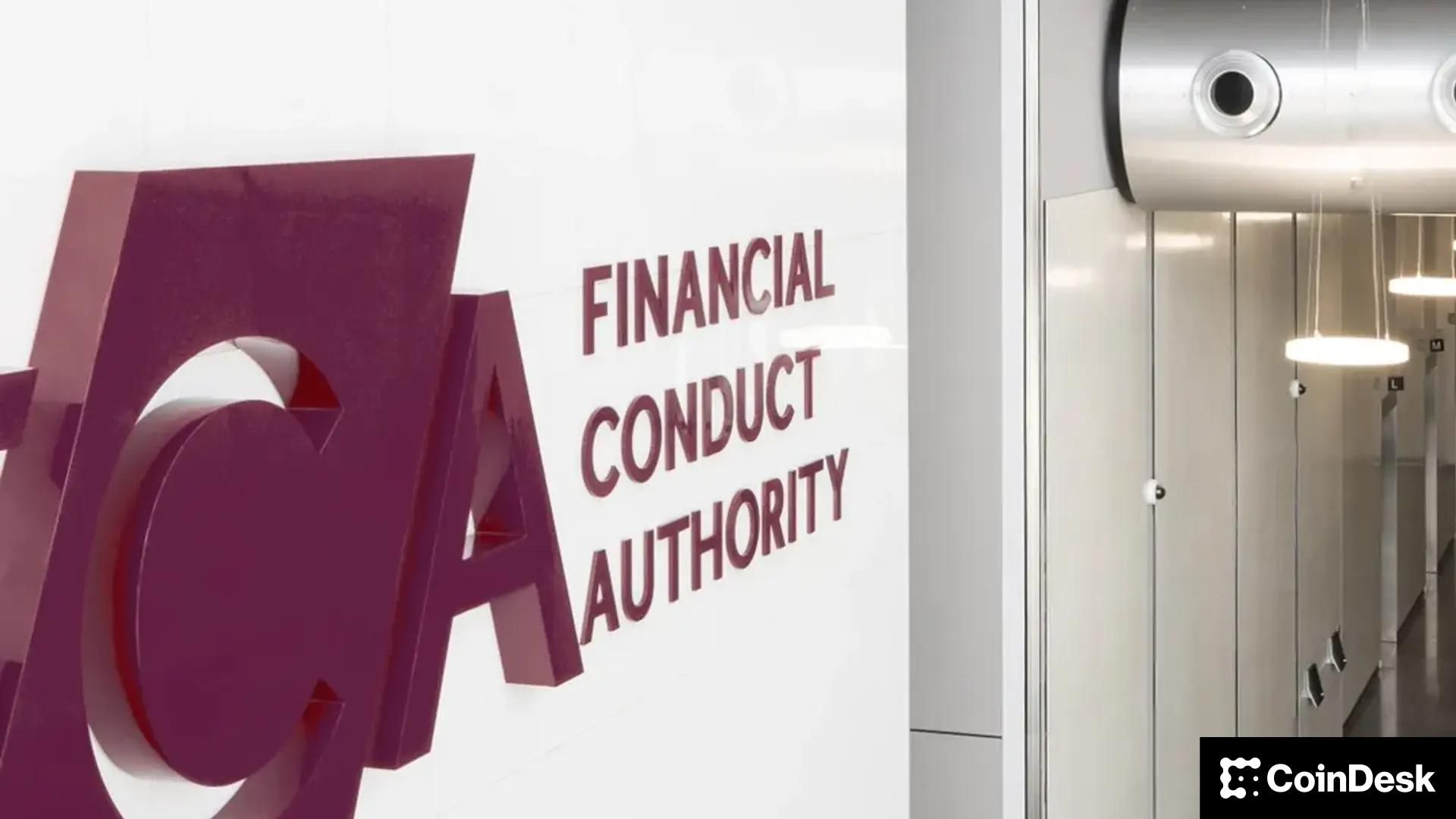
Morning Edition · Tuesday, June 30, 2026Published at 6:35 AM EDT · New York
UK finalizes crypto rulebook with a lighter stablecoin capital floor than the EU
The Financial Conduct Authority cut the capital requirement for non-systemic stablecoin issuers to one percent, positioning Britain as a more lightly regulated jurisdiction as the European Union's stricter regime reduces the number of firms.
The United Kingdom's Financial Conduct Authority (FCA) published its final crypto framework, bringing exchanges, custodians, staking services, and qualifying stablecoin issuers into a full authorization regime. The most consequential detail is a deliberate loosening. The regulator lowered the minimum capital coefficient for non-systemic stablecoin issuers from a proposed two percent to one percent of issued tokens, following industry consultation and the Bank of England's earlier reversal on holding limits.
Firms face a phased timeline, with applications opening on 30 September 2026 and running to 28 February 2027, and the regime expected to take effect in late 2027. The FCA described the package as mandatory licensing paired with custody standards, market-abuse rules, and disclosure requirements, which Cointelegraph summarized as "simplified capital requirements for stablecoin issuers," and which Watcher Guru described as the UK cutting issuer buffers outright.
The contrast with the European Union is the point. The bloc's Markets in Crypto-Assets (MiCA) regime imposes heavier prudential demands, and it has now issued 244 licenses to crypto-asset service providers, with Germany leading at 57 and France at 26. Britain is calculating that a lighter capital standard will attract issuers that find MiCA's requirements costly, a choice to compete on regulation rather than align with it.
The sound-money reading is cautious. A lower capital floor reduces the loss-absorbing buffer behind tokens that promise redemption at face value, and that buffer is exactly what matters when many holders try to redeem at once. Lighter rules may draw issuers to London, but they also shift more of the failure risk onto holders if the assets backing a token turn out to be smaller than advertised.
Veracity: Corroborated
90/100- If true, who benefits
Stablecoin issuers seeking the cheapest credible venue and the City of London competing to host dollar-token issuance as the European Union's heavier regime raises costs.
Part of a tracked trend
Regulatory Perimeter for Crypto Hardens in EU and US
Over 3-6 months, enforcement deadlines and rulemaking debates narrow who can operate, with MiCA culling unlicensed EU firms and US regulators weighing durable rules over fragile exemptions.
Townsquare
Start a discussion in Townsquare.
More from this edition
- Privacy networks press the case that confidential execution is now table stakes
- Strategy says it may sell bitcoin to fund dividends, testing the treasury model
- Bridge and mint flaws drive a fresh run of DeFi thefts
- Researchers try to put a dollar price on proving you are a real human
- Supreme Court hands the president at-will control over the SEC and CFTC
- The on-chain agent economy starts to take shape, and so do its risks
- Ethereum researchers map how the chain's state is actually used
- XRP Ledger's native lending protocol reaches a validator vote
Comments
0No comments yet.