← The Polylog Crypto Intelligence Brief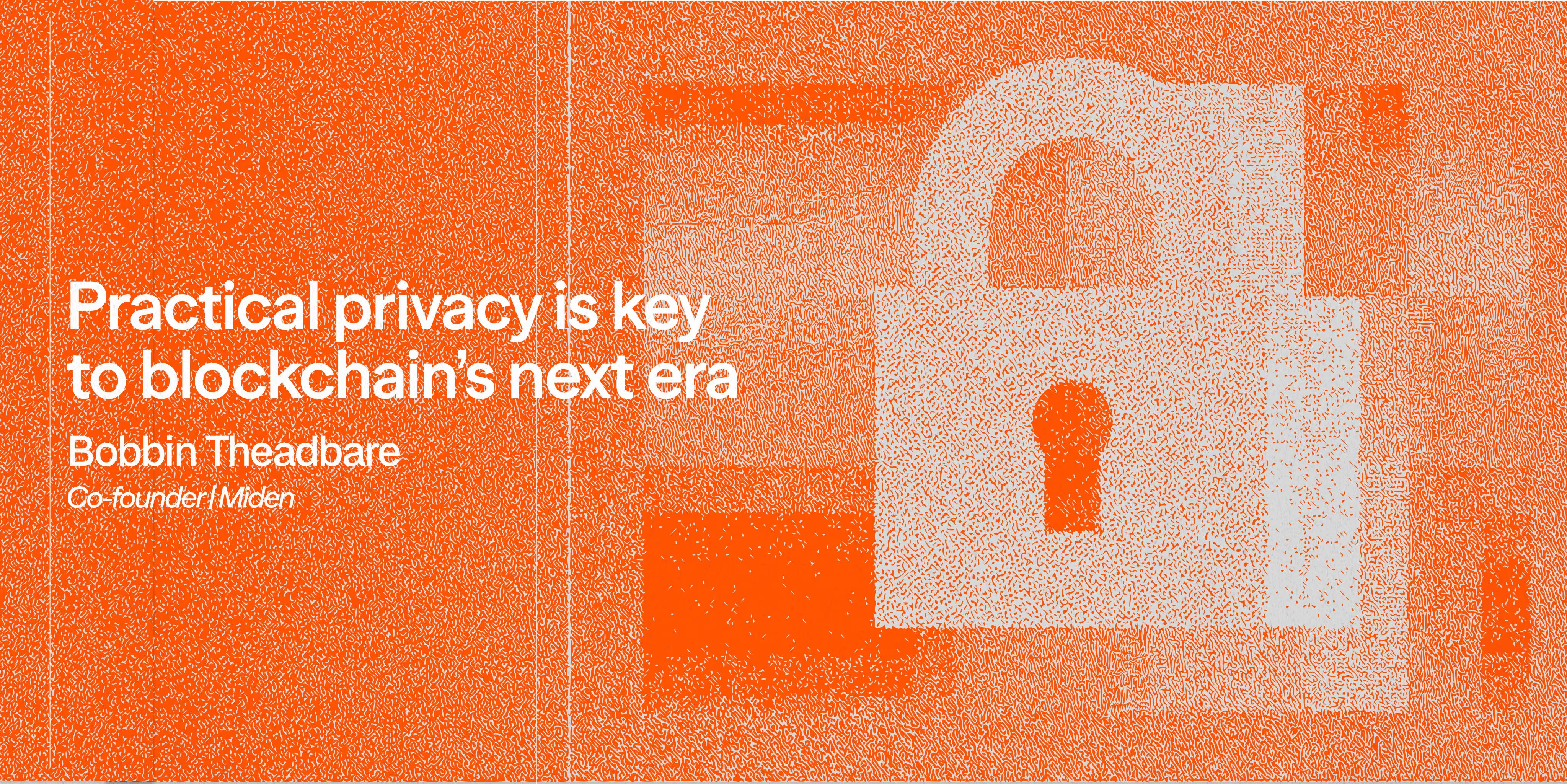
Morning Edition · Tuesday, July 28, 2026Published at 1:30 AM EDT · New York
Aztec Turns On Private Smart Contracts for Ethereum, Proving on Phones
The V5 alpha cut block times to six seconds and pushes zero-knowledge proving onto users' own devices, as rival privacy layers including Miden make the same case to institutions.
Aztec Network has taken its V5 alpha live on the Ethereum main network, delivering what it describes as the first Ethereum layer-2 with a complete execution environment for private smart contracts. The upgrade, approved by an on-chain vote of AZTEC token holders, lets users generate the zero-knowledge proofs that keep a transaction private on ordinary laptops and phones rather than on centralized proving hardware. Aztec reports that average transaction costs fell by roughly half, block times dropped from 14 seconds to six, and a private token transfer now costs under five cents.
The architecture separates privacy into three layers: confidential data for payments and real-world-asset transfers, private identity that still permits selective disclosure for compliance, and private compute that keeps application logic hidden. That last point is the center of the current contest. Aztec is not arguing that confidentiality is a feature for people with something to hide. It is arguing, alongside competitors, that no serious institution will settle payrolls, treasury flows, or client positions on a ledger where every counterparty can read them.
The competing argument is arriving in parallel. Miden argues that practical privacy built on a client-side, actor-based model is the precondition for blockchain's next phase, and its Guardian design pairs confidentiality with recovery and compliance controls aimed at regulated users. The shared point is that confidential execution is being reframed from a niche demand into infrastructure.
The task here is separating what has shipped from what has been promised. An alpha on mainnet is a live network with real constraints, not a finished product, and Aztec itself has said security remains the priority after vulnerabilities appeared in its V4 release. What is verifiable today is that proving is moving to the user's device and that costs have fallen, which lowers the two barriers, latency and price, that kept private execution theoretical.
Veracity: Corroborated
80/100- If true, who benefits
Part of a tracked trend
Privacy Chains Pivot From Niche to Institutional Pitch
Over 3-6 months, confidential execution reframes as a prerequisite for serious/institutional on-chain use, with privacy L2s shipping live networks and contesting who controls confidentiality.
Townsquare
Start a discussion in Townsquare.
More from this edition
- WEMIX Freezes Its Network After Owner-Key Breach Mints 5.23 Million Stablecoins
- Ethereum Researchers Confront the AMM Design That Already Runs a Third of Solana Trading
- US Senate Sets Aside Crypto Market-Structure Bill as State Regulators Push Back
- On-Chain Data Points to a Quiet Custody Breach as 5,287 ETH Moves to One Address
- SEC Commissioner's Vault Framework Puts DeFi's Hidden Managers in View
- Regulated Perpetual Futures Arrive in the US as Banks Hold Back
- BitMart Winds Down After Nine Years as Mid-Tier Exchanges Exit
- Stablecoin Supply Fell 7.7 Billion Dollars in June Even as Settlement Volume Set a High
Comments
0No comments yet.