← The Polylog Crypto Intelligence Brief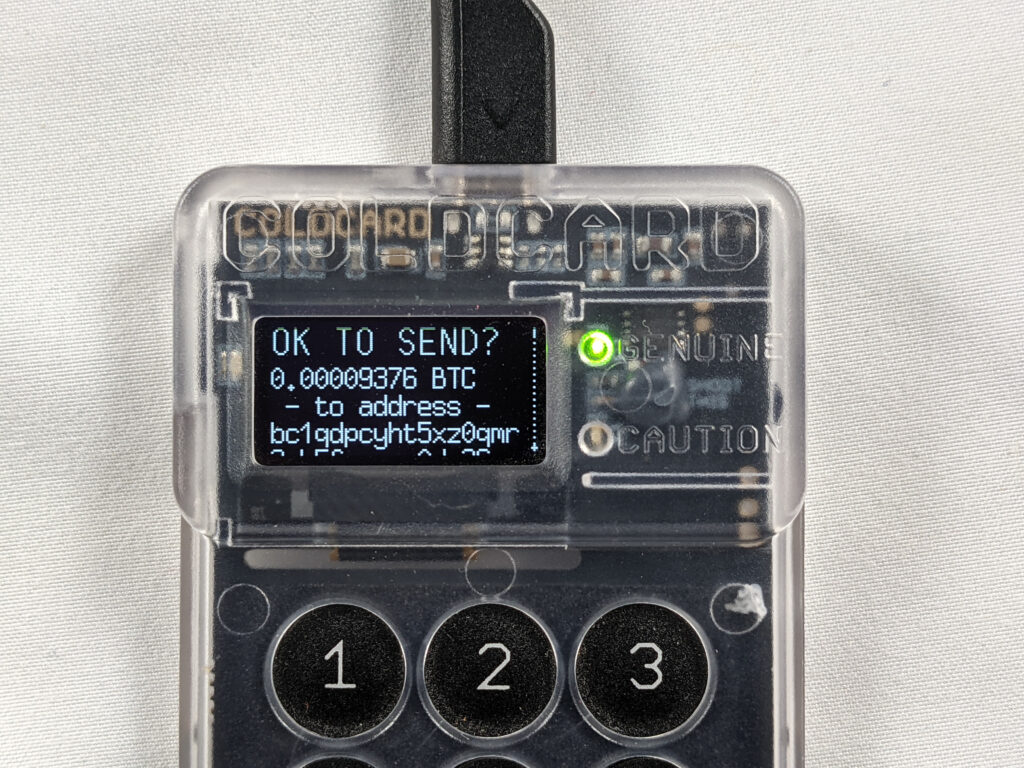
Morning Edition · Saturday, August 1, 2026Published at 1:29 AM EDT · New York
Coldcard Firmware Flaw Lets Attackers Drain 594 Bitcoin From Self-Custody Wallets
A weak key-generation routine present since 2021 made seed phrases guessable, and thieves drained roughly $38 million from about 500 devices in 25 minutes.
A software defect in the Coldcard Mk3, one of the most widely used bitcoin hardware wallets, allowed attackers to reconstruct users' private keys and move funds without ever touching the physical device. CoinDesk reported that roughly 594 bitcoin, worth about $38 million, was drained across roughly 500 devices, with much of the theft carried out within about 25 minutes.
The root cause was weak randomness in key generation. Instead of relying on the chip's hardware random number generator, affected firmware derived seed material from weaker inputs tied to the device serial number and an internal counter, making the resulting seed phrases guessable. The flaw was present in Mk3 units running firmware 4.0.1 or later, dating to March 2021, which is why the drained wallets were overwhelmingly older, single-signature addresses that had sat untouched for years. Coinkite, the manufacturer, has released fixed firmware and urged owners of at-risk models to move coins to freshly generated keys immediately. Bitcoin Magazine put the total value exposed at more than $70 million once vulnerable but not-yet-drained balances are counted.
The disclosure carries a second, unusual detail. Coinkite founder Rodolfo Novak said an artificial-intelligence-assisted code review appears to have identified the latent bug, and researchers believe the attacker may have used the same class of tooling to find and exploit it at scale. Rival manufacturer Blockstream said its Jade device is unaffected because it generates keys differently. The stolen funds were consolidated into a small number of addresses and have not moved, and no recovery or attribution has been confirmed.
Veracity: Corroborated
91/100- If true, who benefits
Part of a tracked trend
Hardware-Wallet Trust Erodes
Recurring firmware and entropy defects in self-custody hardware, now surfaced faster by AI-assisted code analysis, will keep pushing risk-averse holders toward custodial and ETF products rather than personal key management.
Townsquare
Start a discussion in Townsquare.
More from this edition
- Aztec Ships Alpha V5, Putting Private Smart Contracts Live on Ethereum
- Tether Reports $1.5 Billion Quarterly Profit as Its Reserve Cushion Halves
- Aave Moves to Abandon Six Blockchains Earning Less Than $5,000 a Quarter
- IBM Chief Says Quantum Computing Will Generate Real Revenue Before 2030
- Circle Wins New York Trust Charter, Deepening the Regulated Path for USDC
- US Sanctions Two Iranian Firms That Took Bitcoin for Strait of Hormuz Shipping Insurance
- Uniswap Adds In-App Lending Through Morpho Vaults
- Miden Argues Practical Privacy Is the Gate to Blockchain's Next Phase
Comments
0No comments yet.