← The Polylog Crypto Intelligence Brief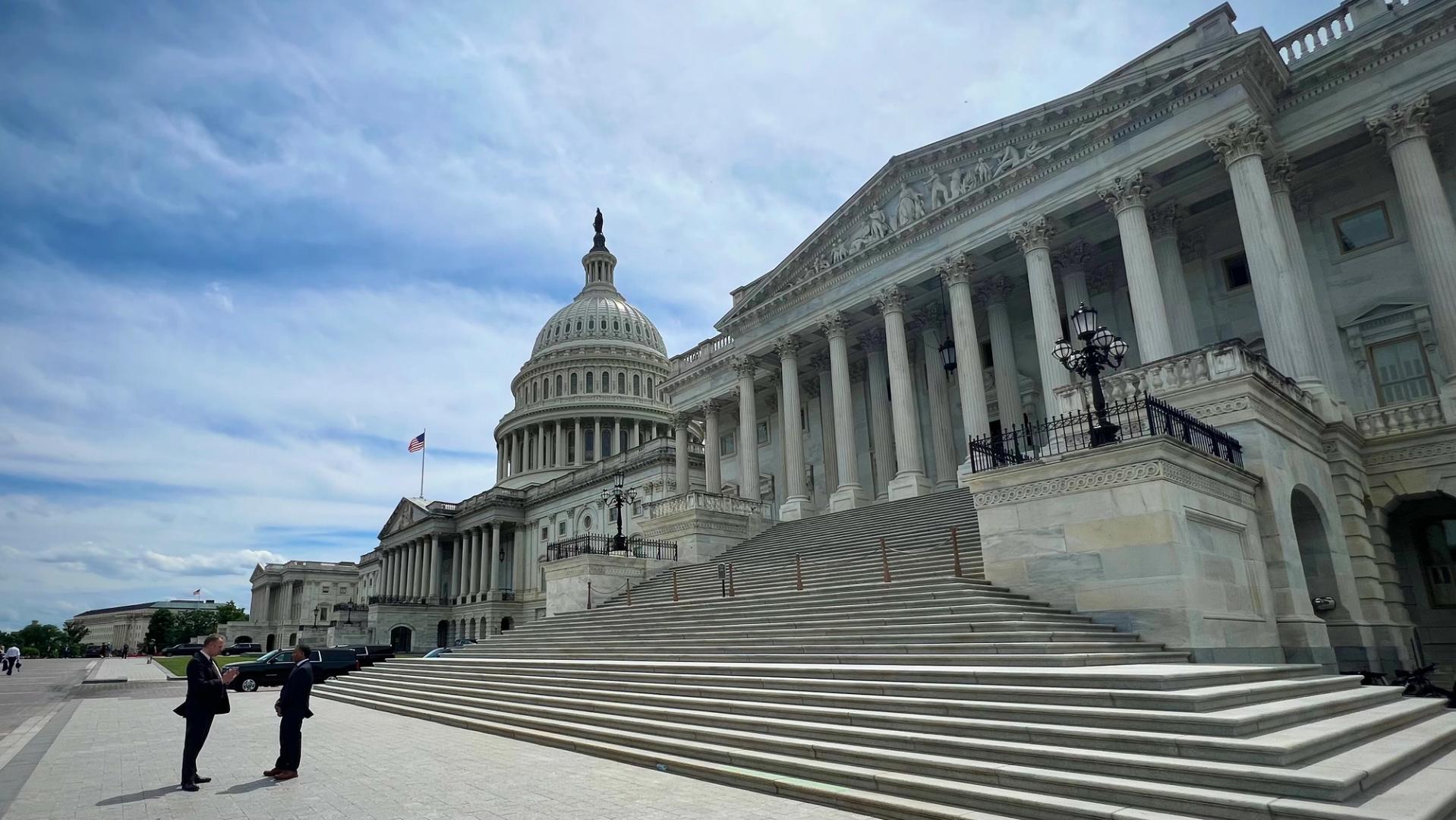
Morning Edition · Monday, August 3, 2026Published at 1:28 AM EDT · New York
Crypto Market-Structure Bill Vanishes From Senate's Monday Schedule as Recess Nears
The CLARITY Act is absent from the floor plan, leaving leaders until roughly Wednesday to file for a possible Friday procedural vote before a summer break that runs to mid-September.
The Digital Asset Market Clarity Act (CLARITY Act), the bill meant to divide oversight of digital assets between the Securities and Exchange Commission (SEC) and the Commodity Futures Trading Commission (CFTC), is not on the Senate's published floor plan for Monday. Watcher Guru flagged the omission, and crypto.news reports that it leaves leadership until roughly Wednesday to prepare a cloture motion for a possible Friday procedural vote.
The timetable is tight. As CoinDesk's policy desk notes, the Senate breaks for its summer recess within about a week and does not return until mid-September. Without a filed cloture motion early in the week, the earliest initial floor vote slips to Thursday, and full passage before adjournment would require unanimous consent that has not materialized. Senator Cynthia Lummis, a leading congressional advocate for digital-asset legislation, has warned that missing this window risks pushing comprehensive federal rules to 2030.
The stakes are the boundary of who can legally operate in the United States. A durable statutory split between the SEC and CFTC would replace the case-by-case enforcement that has governed the industry, giving exchanges and token issuers a defined path. A miss preserves the current approach of regulation through litigation, which favors incumbents with legal budgets over new entrants.
Veracity: Corroborated
85/100- If true, who benefits
Offshore venues and incumbents with litigation budgets if the bill stalls; US exchanges and token issuers if a durable SEC-CFTC split passes.
- The nuance
Corroborated that the bill was absent from Monday's floor plan, but leadership still publicly intends pre-recess action, and Lummis's "rules slip to 2030" figure is an advocate's warning, not a scheduling certainty.
Part of a tracked trend
Regulatory Perimeter for Crypto Hardens in EU and US
Over 3-6 months, enforcement deadlines and rulemaking debates narrow who can operate, with MiCA culling unlicensed EU firms and US regulators weighing durable rules over fragile exemptions.
Townsquare
Start a discussion in Townsquare.
More from this edition
- Coldcard Wallet Flaw From 2021 Lets Attacker Drain $89 Million in Bitcoin Without Touching a Device
- Aztec Ships Client-Side Proving on Ethereum, Putting Private Smart Contracts on Users' Own Devices
- Strategy Holds Its 12% Preferred Dividend Below Par, Breaking From Its Own Playbook
- Access-Control and Timing Bugs Drive a Fresh Round of On-Chain Exploits
- United States and Japan Confirm First Joint Yen Intervention in 15 Years
- Crypto-Treasury Experiments Unravel at Small Public Companies as Marks Collapse
- Miden Frames On-Chain Privacy as a Practical Requirement, Not an Ideological One
Comments
0No comments yet.