← The Polylog Crypto Intelligence Brief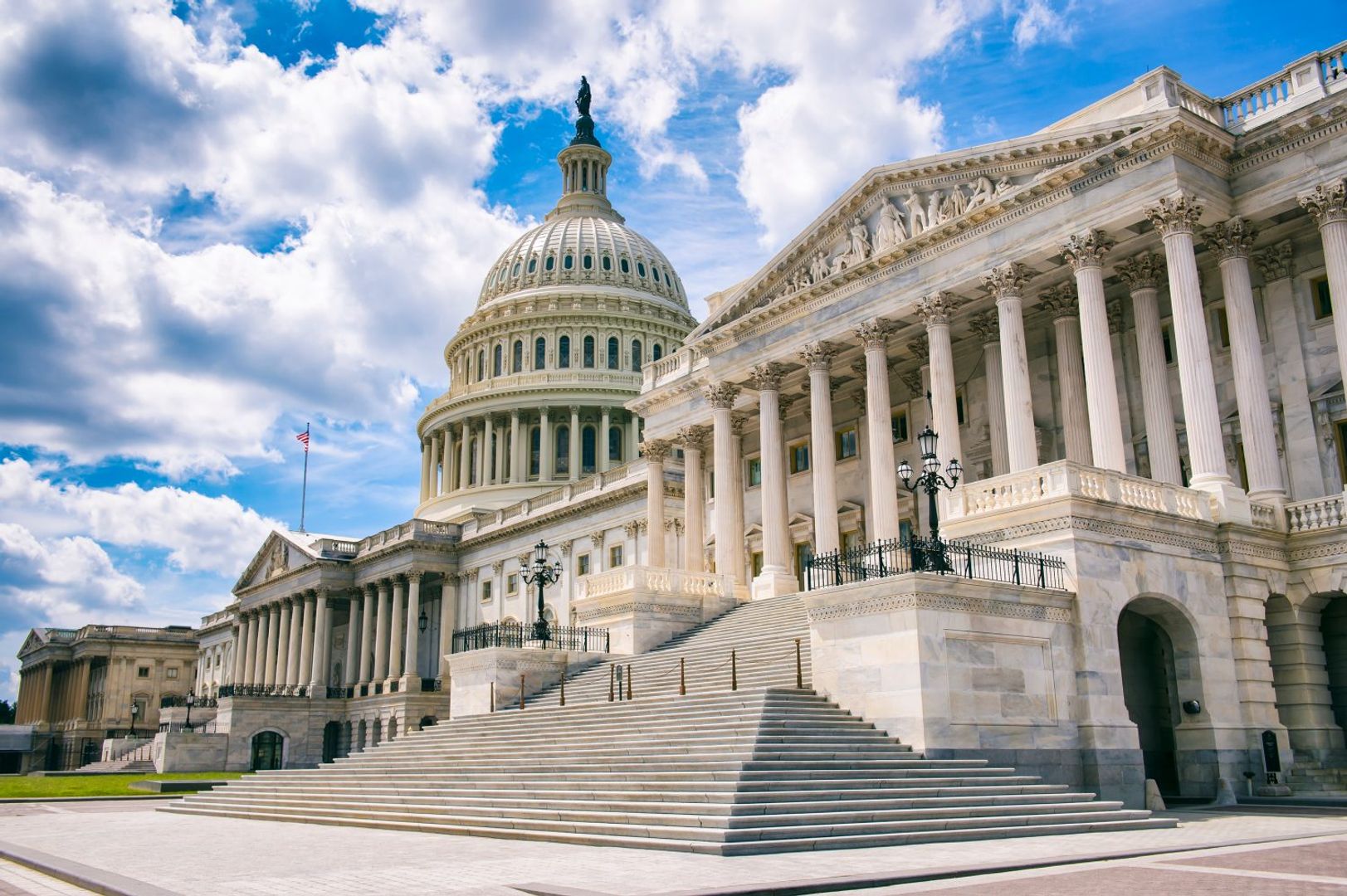
Morning Edition · Tuesday, August 4, 2026Published at 1:32 AM EDT · New York
Crypto Market-Structure Bill Misses the Senate Floor Plan With Days Left Before Recess
Senate Majority Leader John Thune still expects a procedural vote this week. Law enforcement groups are pressing for narrower developer protections in the bill's decentralized finance provisions.
The CLARITY Act, the bill that would divide United States oversight of digital assets between the Securities and Exchange Commission (SEC) and the Commodity Futures Trading Commission (CFTC), was absent from the Senate's Monday floor plan. That day was given over to government funding. Bitcoin Magazine notes lawmakers break for more than a month this week. Senate Majority Leader John Thune said he still expects a procedural vote before the recess, a formulation that points to beginning consideration of the bill rather than passing it.
The substantive dispute is over Section 604, which shields non-custodial software developers from money-transmission obligations. Several law enforcement associations, including sheriffs' and prosecutors' groups, argue the exemption is broad enough to let operators claim decentralization and avoid supervision. The Blockchain Association says those groups have misread the text and has organised a letter of support cosigned by former national security and law enforcement officials. Both readings can be partly correct at once. The drafting turns on who actually controls user funds, and that question is answered by facts recorded on-chain rather than by a label a project applies to itself.
Market analysts are treating the timetable as an input to prices. Bernstein told clients that failure to pass the bill this year would likely send crypto markets lower, while expecting United States regulators to accelerate rulemaking regardless. The second half of that call matters more than the first. Agency rulemaking is slower, narrower and easier to reverse than statute, but it proceeds whether or not the Senate acts this week.
Veracity: Corroborated
90/100- If true, who benefits
Offshore venues and incumbent regulators gain from continued delay, and law enforcement associations gain leverage to narrow Section 604 before any floor vote.
Part of a tracked trend
Regulatory Perimeter for Crypto Hardens in EU and US
Over 3-6 months, enforcement deadlines and rulemaking debates narrow who can operate, with MiCA culling unlicensed EU firms and US regulators weighing durable rules over fragile exemptions.
Townsquare
Start a discussion in Townsquare.
More from this edition
- Coldcard Seed-Generation Flaw Pushes Bitcoin Losses Above $114 Million as Sweeps Continue
- Strategy Sells 1,638 Bitcoin to Finish a $4 Billion Cash Reserve for Preferred Dividends
- Aztec Activates Alpha V5, Halving the Cost of a Fully Private Transaction
- Security Researchers Publish New Price-Manipulation Exploit Proofs as Bridge Losses Stay Elevated
- Former FBI Agent Charged With Taking $1 Million in Crypto From Wallets Tied to Investigations
- BlackRock and Mastercard Move Into Stablecoin Plumbing as Morgan Stanley Cuts Circle to Underweight
- Ethereum Researchers Debate Making Contract Source Code Private by Default
Comments
0No comments yet.