← The Polylog Crypto Intelligence Brief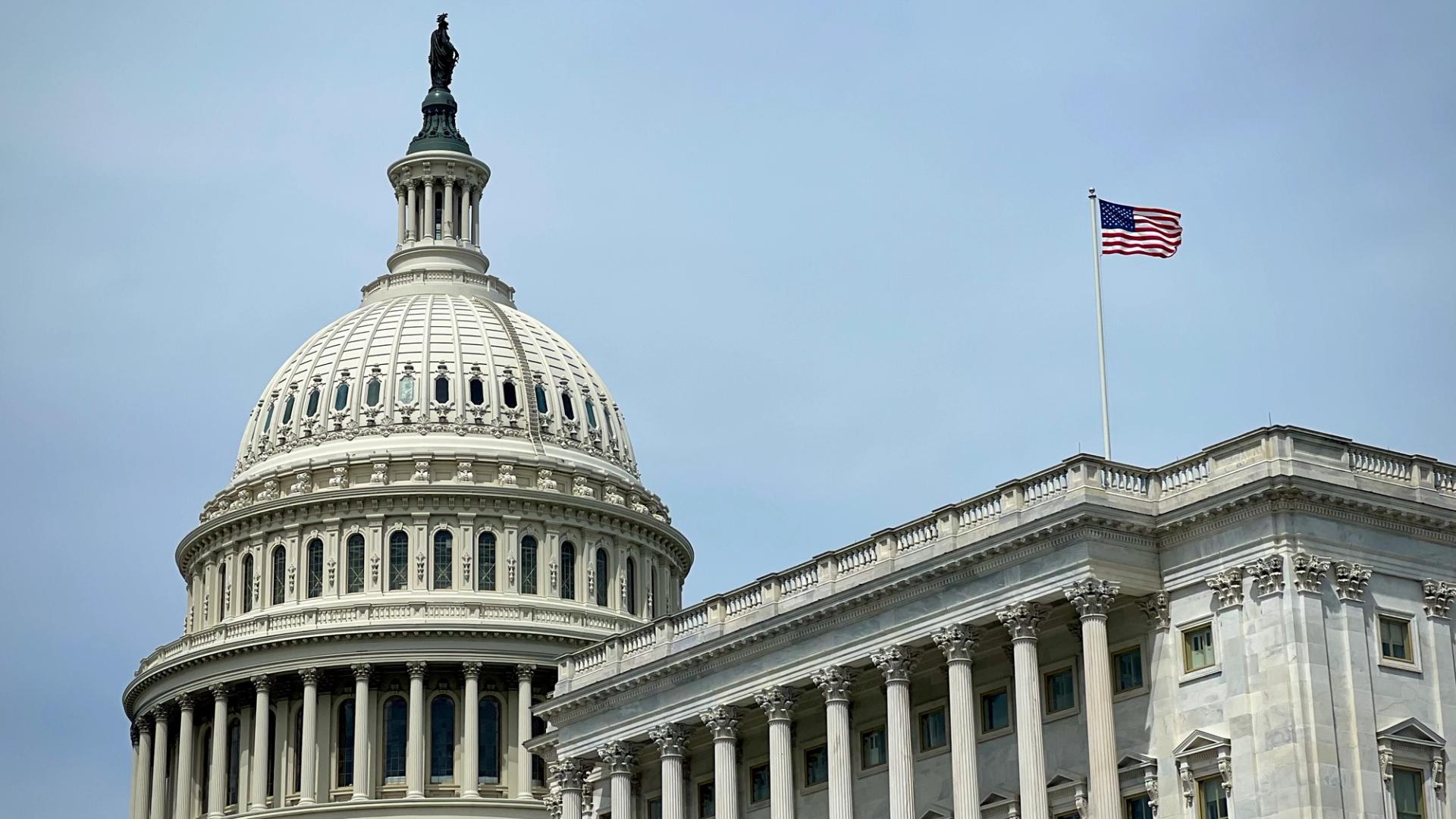
Morning Edition · Thursday, August 6, 2026Published at 1:33 AM EDT · New York
Senate Leaves Crypto Market-Structure Bill Off the Floor With Days Left Before Recess
A filing this week would be needed for a Friday procedural vote, and the White House is now reviewing the bipartisan ethics language that has held the text up.
The Digital Asset Market Clarity Act would divide oversight of digital assets between the Securities and Exchange Commission (SEC) and the Commodity Futures Trading Commission (CFTC). It still has no vote on the Senate floor schedule. CoinDesk laid out the remaining procedural paths. Leadership would need to file this week to set up a Friday vote on ending debate on the motion to proceed, and even a successful vote there only starts a timed period under Senate rules rather than passing the bill. The chamber's last scheduled workday before the state work period is 7 August.
The obstacle is the ethics language rather than the market-structure text itself. Senator Thom Tillis said the White House is now engaging on the bipartisan draft that he and Senator Ruben Gallego sent last week. That draft would restrict digital-asset dealings by senior officials and their families. Bitcoin Magazine reported that the text is under review at the White House ahead of the deadline.
Senator Cynthia Lummis, one of the bill's main proponents, framed failure in partisan terms, saying that "if Clarity dies, Democrats killed it" and that some members still want delay. Hester Peirce, the SEC commissioner who leads the agency's crypto task force, said separately that she remains hopeful the bill passes. The Senate Banking Committee advanced the measure 15-9 in May, and a merged 616-page text appeared on 22 July.
If the Senate leaves without acting, the bill is not withdrawn. It waits until the recess ends in September, in an election year in which floor time is harder to obtain.
Veracity: Corroborated
88/100- If true, who benefits
Senator Cynthia Lummis's "Democrats killed it" framing serves Republican sponsors and the exchanges, custodians and token issuers waiting on a statutory line between Securities and Exchange Commission (SEC) and Commodity Futures Trading Commission (CFTC) jurisdiction, while continued delay benefits venues in the European Union and Asia that already license digital-asset businesses.
Part of a tracked trend
Crypto Market-Structure Bill Stalls in the Senate
Ethics disputes over the president's personal crypto ventures keep displacing the substance of United States market-structure legislation, leaving digital-asset rules dependent on agency discretion rather than statute.
Townsquare
Start a discussion in Townsquare.
More from this edition
- Bitcoin Red Team Files 4,962 Security Findings Across 390 Projects After Coldcard Theft
- Putin Signs Russia's First Comprehensive Crypto Law and Keeps the Domestic Payment Ban
- Aztec's Alpha V5 Puts Client-Side Proving in Users' Hands, and a Hidden-Information Game Is the First Test
- Oracle Key Compromise and an Account-Delegation Bug Lead the Week's Exploit Files
- Ethereum Foundation Funds Browser Tool That Checks Whether a Website Serves the Code It Published
- Circle Locks In Its Coinbase Distribution Deal for Three More Years and Rules Out a Dividend
- Miden Ships an Institutional Backend That Enforces Compliance Without Holding Keys
Comments
0No comments yet.