← The Polylog Crypto Intelligence Brief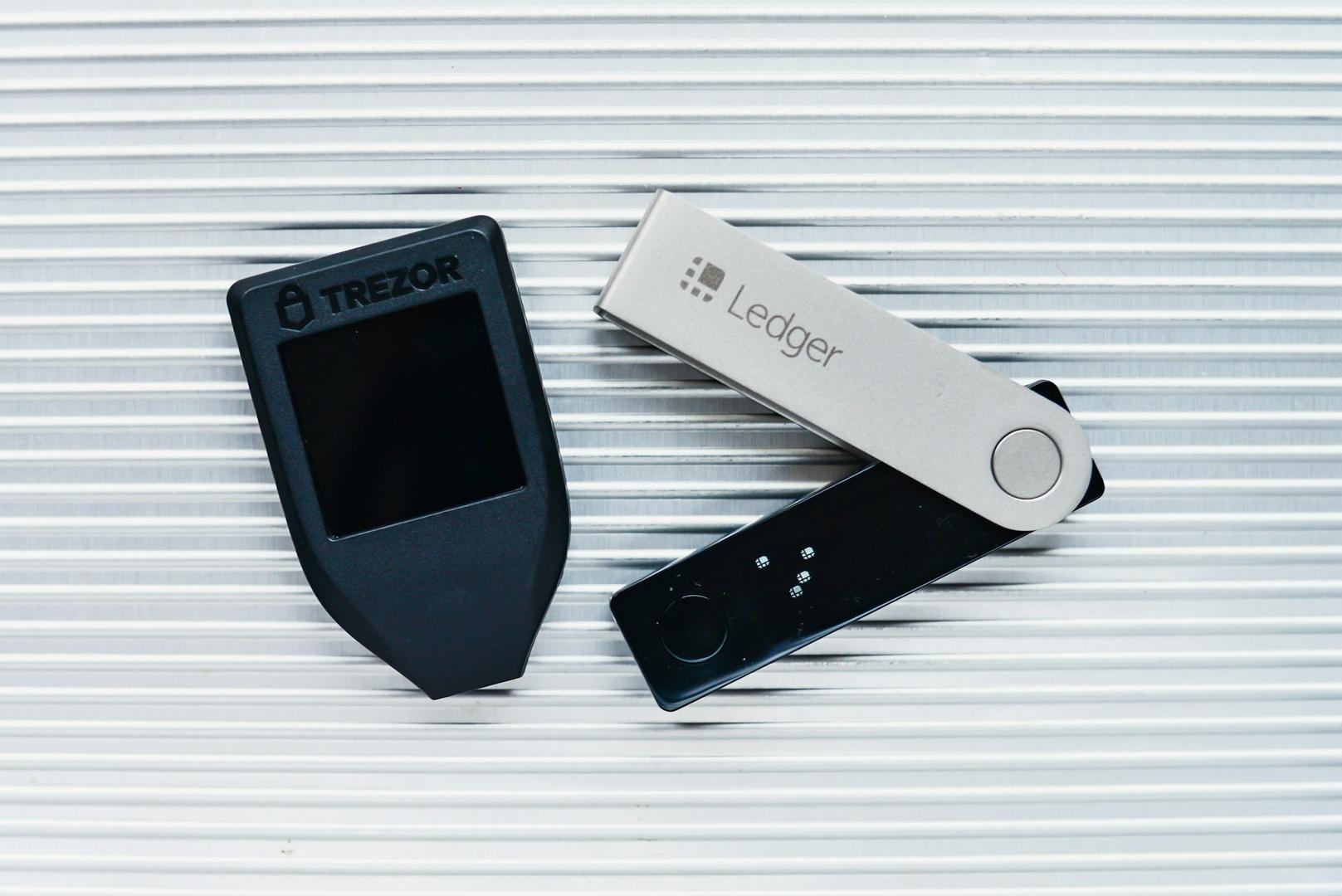
Morning Edition · Sunday, August 9, 2026Published at 2:30 AM EDT · New York
Coldcard's Five-Year Entropy Defect Accounts for Roughly a Tenth of 2026's $1.2 Billion in Crypto Theft
Firmware shipped in March 2021 generated seeds with a software pseudorandom number generator instead of the device's hardware chip, and attackers used the resulting weak keys to take 1,816 BTC from more than 5,200 addresses.
The running total of stolen crypto in 2026 has passed $1.2 billion across 276 incidents, and the Coldcard hardware wallet failure alone accounts for close to a tenth of that sum. The emergency notice on Bitcointalk tells Coldcard owners to treat any seed generated since March 2021 as compromised, regardless of what firmware the device runs today.
The root cause is not a smart contract and not a phishing message. Firmware version 4.0.0 caused affected devices to skip the STM32 chip's hardware random number generator during seed creation and fall back to MicroPython's Yasmarang software pseudorandom generator. On Mk3 units, that collapsed effective key entropy from 128 bits to as little as 40 bits, a search space small enough to enumerate. Beginning on 30 July, attackers moved 1,816 BTC, worth about $116 million, out of more than 5,200 addresses in four waves. One wave took 1,082 BTC from 1,196 addresses in 41 minutes. The keys were never stolen. They were derived.
A second, cruder attack surface is open at the same time. A counterfeit Trezor website has been appearing at the top of Google results as a sponsored listing, and at least one user says they lost their entire holdings after clicking through. That failure requires no cryptographic insight, only advertising spend.
Demand for the devices is nonetheless rising in places where custodial access is restricted. In Russia, hardware wallet sales more than doubled as new crypto rules approach, with the marketplace Wildberries reporting an average price 13% lower at 7,900 rubles and the electronics chain M.Video widening its range. Neither retailer identified what is driving the demand.
Veracity: Plausible
74/100- If true, who benefits
Part of a tracked trend
Implementation Bugs, Not Just Exploits, Threaten Custody
Cryptographic implementation errors in wallets and signers (biased nonces, reused randomness, faulty derivation) keep surfacing as a distinct custody risk alongside smart-contract exploits, eroding the assumption that certified hardware protects keys.
Townsquare
Start a discussion in Townsquare.
More from this edition
- Bitcoin's BIP-110 Chain Splits Off With 2.6% of Miners, Mines Two Blocks and Stalls
- BTCPay Server Patches Flaw That Let Attackers Take Lightning Node Credentials From Merchants
- Aztec Publishes the Proving-System Flaw It Held Back Until Its Private Execution Upgrade Shipped
- Bybit Wins a US Court Freeze on Assets From the $1.5 Billion Theft It Attributes to North Korea
- Senate Leaves for Recess Without the Clarity Act as Brussels Prepares to Reopen MiCA in 2027
- Brazil's Central Bank Will Let Exchanges Hold Large Crypto Transfers Abroad for 24 Hours
- A Governance Timeout, a Flash-Loan Oracle Trick and an Unvalidated Parameter: Three New Exploit Proofs Published
Comments
0No comments yet.