← The Polylog Crypto Intelligence Brief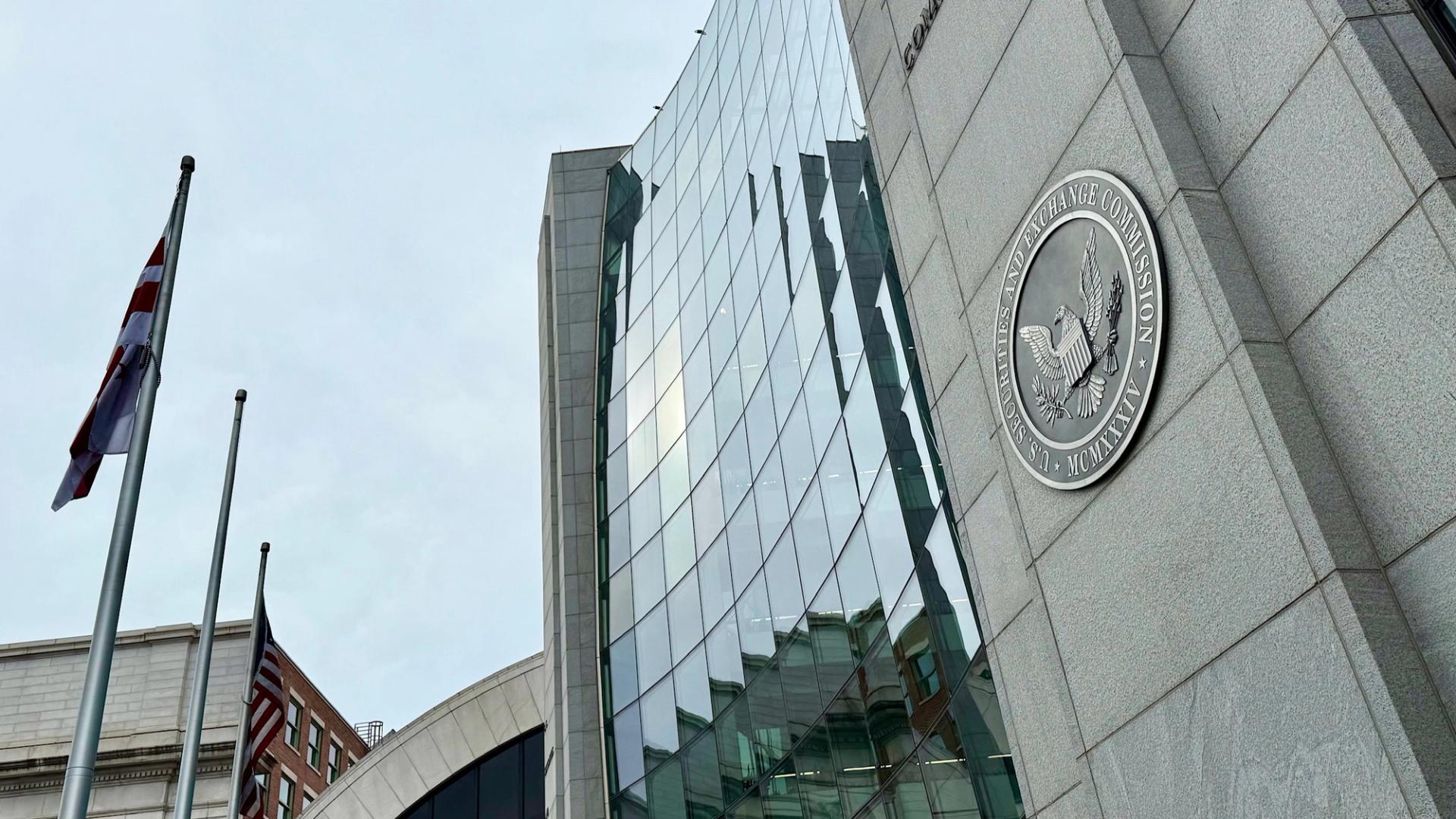
Morning Edition · Tuesday, August 11, 2026Published at 1:53 AM EDT · New York
SEC Sets August 14 Vote to Propose "Regulation Crypto," Its First Formal Rulebook for Token Issuance
The three-member commission would open the proposal to public comment for two to three months, putting agency rulemaking ahead of a stalled Senate bill that one bank now gives a one-in-four chance this autumn.
The Securities and Exchange Commission (SEC) has called a meeting for August 14 at which its commissioners will vote to begin formal rulemaking on crypto issuance, a proposal the agency calls Regulation Crypto. The text would set a defined path for issuing digital assets legally, replacing the case-by-case exemptions and enforcement settlements that have governed token sales in the United States for a decade.
A proposal is not a rule. The vote opens a comment period that typically runs two to three months, after which the staff rewrite can take far longer. SEC Chair Paul Atkins has said the wider agenda also covers custody of digital assets and on-chain trading of tokenized securities, so the issuance rule is the first of several. All three sitting commissioners are Republicans, which removes the usual dissent-and-delay dynamic at the proposal stage but does not shorten how long the process takes.
The timing matters because Congress did not deliver. The Senate left for its August recess without advancing the CLARITY Act, the market-structure bill that would divide oversight between the SEC and the Commodity Futures Trading Commission (CFTC), and industry leaders reacted with public frustration. White House crypto adviser Patrick Witt said the administration remains "fully committed" to passing the bill next month. TD Cowen put the odds of passage this autumn at 25%.
The practical result is that the framework for American token issuance will be written by an agency rather than by statute, at least for now. Rules made this way can be unmade by a later commission without a vote in Congress, which is why the industry pushed for legislation in the first place. Issuers get a workable path sooner. They get a less durable one.
Veracity: Corroborated
92/100- If true, who benefits
Part of a tracked trend
Regulatory Perimeter for Crypto Hardens in EU and US
Over 3-6 months, enforcement deadlines and rulemaking debates narrow who can operate, with MiCA culling unlicensed EU firms and US regulators weighing durable rules over fragile exemptions.
Townsquare
Start a discussion in Townsquare.
More from this edition
- BTCPay Server Pledges Up to 3 Bitcoin to Recover Funds Drained From Merchant Lightning Nodes
- Aztec Discloses a Critical Flaw in the Proving System Behind Its Live Privacy Network
- Buterin Rewrites Ethereum's Roadmap Around Quantum Safety, Native Privacy and Native Rollups
- Bitcoin's BIP-110 Fork Stalled After Two Blocks and Now Trails the Main Chain by More Than 300
- A Rounding Bug and a Trusted Price Feed: This Week's Exploits Hit Code That Worked as Written
- Strategy Sold 1,690 Bitcoin Below Its Average Cost to Fund a Preferred-Share Buyback
- Crypto Treasury Companies Post Billion-Dollar Losses as One Ethereum Holder Says Conversion Would Take 90 Days
Comments
1Aug 11, 6:51 AM · edited
Loper Bright (2024) removed Chevron deference, so courts now apply de novo review to the SEC's statutory authority claims, meaning any Regulation Crypto rule faces higher invalidation risk than it would have before 2024.