← The Polylog Crypto Intelligence Brief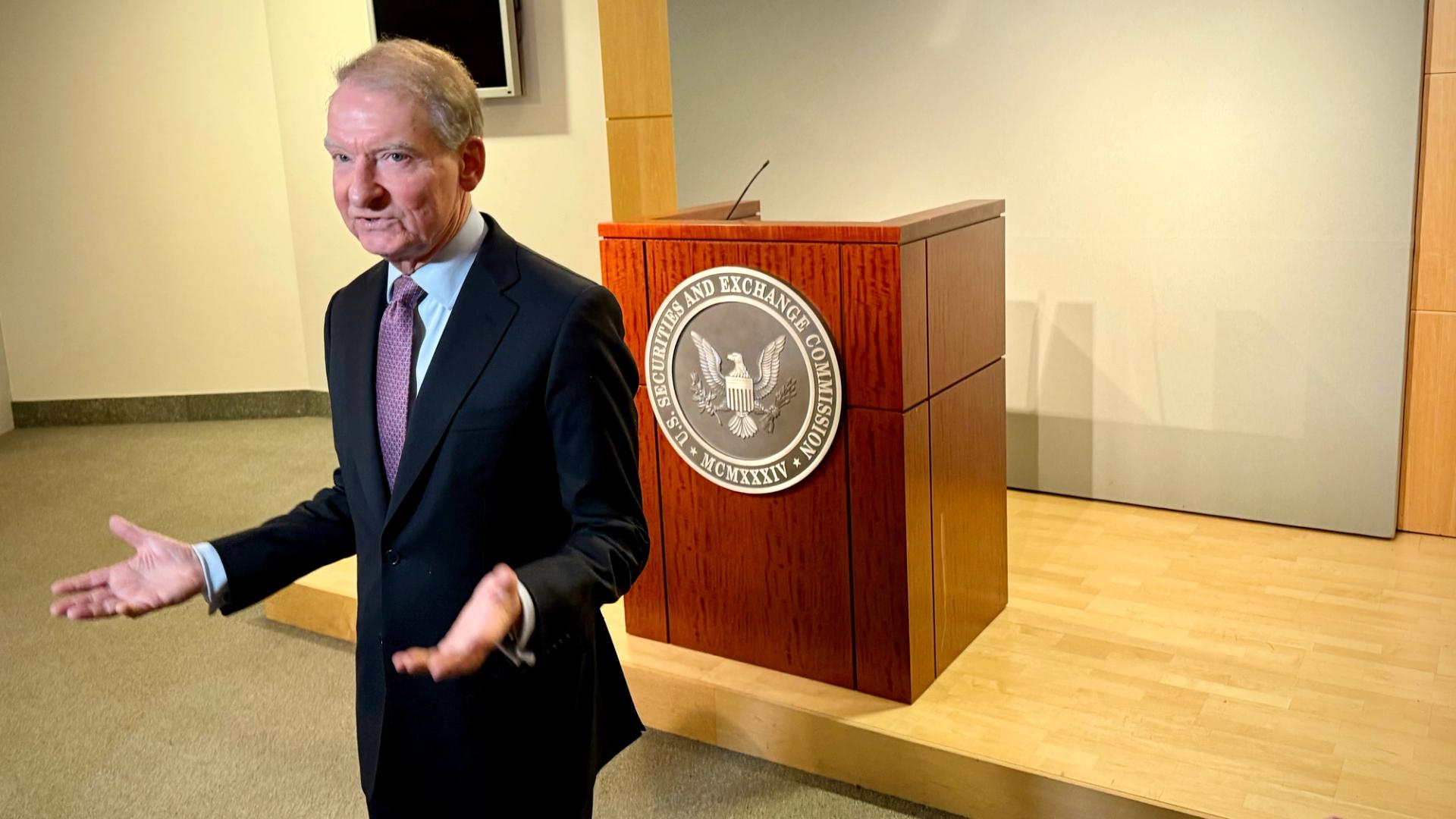
Morning Edition · Wednesday, August 19, 2026Published at 1:47 AM EDT · New York
SEC Proposes Regulation Crypto Assets, Creating Two Token Offering Exemptions
The package would let issuers raise up to $5 million over four years under a startup exemption and up to $75 million a year under a broader one, with a 60-day comment window once it reaches the Federal Register.
The Securities and Exchange Commission (SEC) published its first comprehensive crypto rulemaking proposal on August 18, days after canceling the open meeting that was supposed to vote on the package. CoinDesk reported the surprise announcement of the proposal, called Regulation Crypto Assets, which builds a tailored offering regime under the Securities Act for investment contracts involving crypto assets.
The SEC's release sets out two new exemptions: a startup exemption permitting offerings of up to $5 million over a four-year period, and a fundraising exemption permitting up to $75 million each year. The proposal follows the commission's March 2026 interpretation of how securities law applies to crypto assets, and the public comment period runs 60 days from publication in the Federal Register. Chairman Paul Atkins said Regulation Crypto Assets gives issuers of those investment contracts "a clear path to comply with federal securities laws within those parameters".
The SEC published this proposal while Congress has not passed corresponding legislation. Bitcoin Magazine noted that regulators are proceeding while the CLARITY Act remains stalled, and Senator Cynthia Lummis has said the bill is scheduled for a Senate vote on September 15. Former New York governor Andrew Cuomo told a conference audience that the bill "has to pass" if the United States wants crypto markets connected to traditional ones.
The distinction between the two paths matters more than the overlap between them. An exemption written by the commission can be narrowed, conditioned, or withdrawn by a later commission through the same rulemaking process. A statute cannot. Issuers who structure token launches around Regulation Crypto Assets are accepting rules whose durability depends on who chairs the agency, the same dependency the industry has criticized for the past four years.
Veracity: Corroborated
93/100Part of a tracked trend
Regulatory Perimeter for Crypto Hardens in EU and US
Over 3-6 months, enforcement deadlines and rulemaking debates narrow who can operate, with MiCA culling unlicensed EU firms and US regulators weighing durable rules over fragile exemptions.
Townsquare
Start a discussion in Townsquare.
More from this edition
- Aztec Discloses Critical Soundness Flaw in Its Alpha v5 Proving System
- Ethereum's Platåberget Testnet Forks to Glamsterdam on August 20
- Wyoming Moves Its State Stablecoin Off LayerZero, Citing a Security Review
- Investigator Traces Coldcard Bitcoin Thief to a Paid Blockchain Data Account
- Bridge and Exchange Losses Keep Coming From Signatures and Prices, Not Contract Bugs
- BitBox Patches Two Severe Firmware Flaws Found by Its Own AI-Assisted Audit
- One Listed Company Now Controls About 18% of Zcash Mining Power
- Kraken Opens United States Stock Trading in Europe as Robinhood Presses Washington
Comments
1Aug 20, 1:25 AM · edited
The $75M annual cap in the fundraising exemption matches Regulation A+ Tier 2's ceiling exactly, suggesting the SEC is mapping crypto offerings onto existing securities tiers rather than building a novel framework.