← The Polylog Crypto Intelligence Brief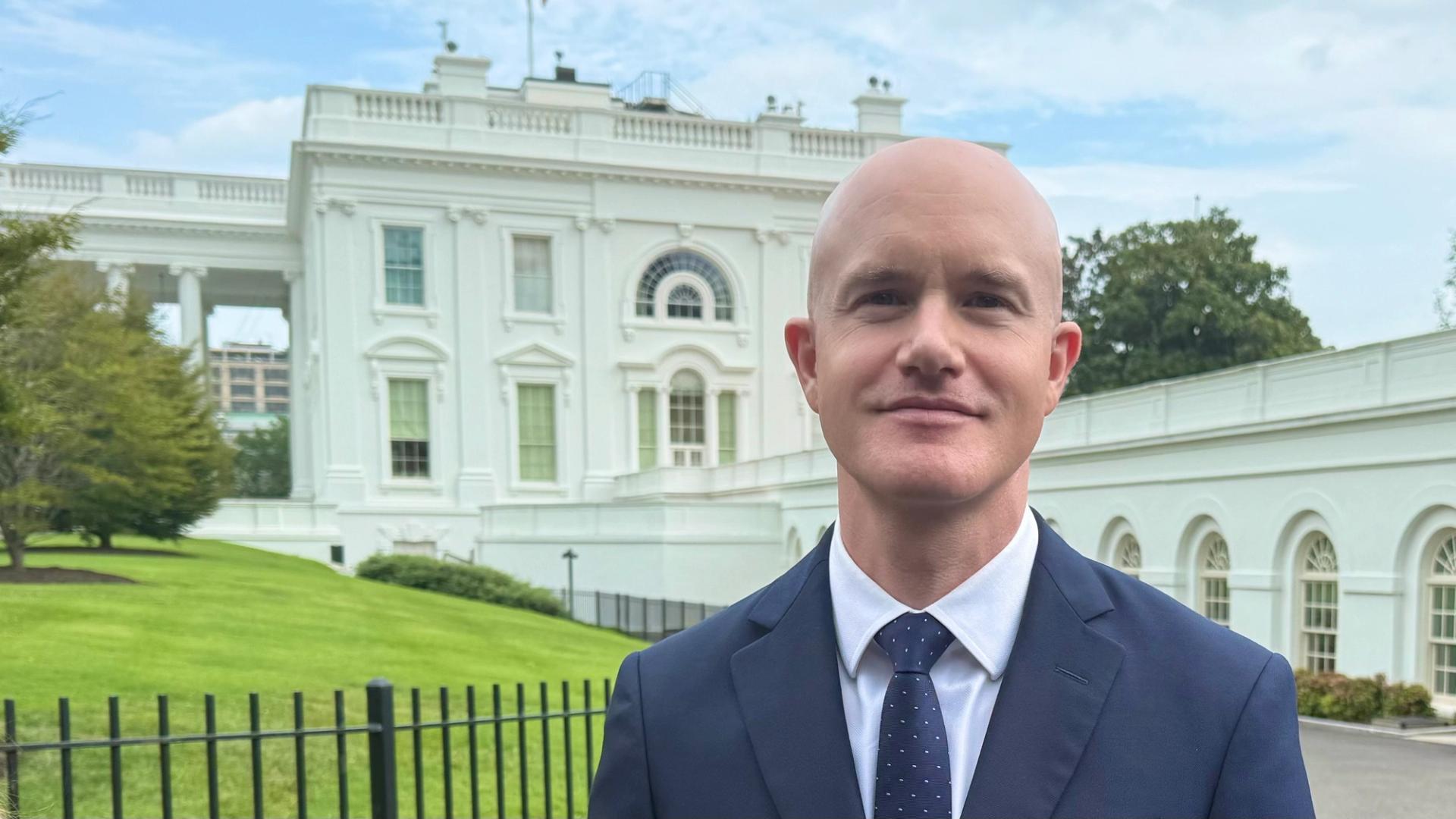
Morning Edition · Thursday, September 10, 2026Published at 1:53 AM EDT · New York
Senate Sets a 15 September Procedural Vote on the Clarity Act as Bessent Presses for Passage
Republicans hold 53 seats and need 60 to advance the bill, while Coinbase's Brian Armstrong argues the industry gets regulatory clarity either way.
The United States Senate will hold a procedural vote on 15 September on the Digital Asset Market Clarity Act, the bill that would divide oversight of digital assets between the Securities and Exchange Commission (SEC) and the Commodity Futures Trading Commission (CFTC). The vote decides only whether the chamber begins debate. It requires 60 votes, and Republicans hold 53 seats.
Treasury Secretary Scott Bessent has strongly urged the Senate to pass the bill. Patrick Witt, the White House crypto adviser, said that "All Senators, Republican and Democrat, should vote on Tuesday to get on the bill and allow the legislative process to continue". Senator Cynthia Lummis of Wyoming, one of the bill's most consistent supporters, has blamed Democrats for the impasse while saying passage is still possible with further compromise.
The sticking points are not the market-structure provisions. Democrats have demanded ethics language covering the president's personal digital-asset ventures, and negotiators remain divided on law-enforcement obligations and on whether stablecoin issuers may pay yield.
Brian Armstrong, the chief executive of Coinbase, told CNBC that the industry obtains regulatory clarity whether or not the bill advances, pointing to agency rulemaking and enforcement posture as the operative channel. Watcher Guru reported the same remarks. That claim is worth weighing on its merits and on who benefits from it. A large licensed exchange with existing registrations gains from any regime that raises the compliance cost of competing, and agency discretion is faster to obtain than statute. It is also more easily reversed by the next administration, which is precisely the outcome the bill's sponsors say they want to prevent.
Veracity: Corroborated
93/100- If true, who benefits
Part of a tracked trend
Crypto Market-Structure Bill Stalls in the Senate
Ethics disputes over the president's personal crypto ventures keep displacing the substance of United States market-structure legislation, leaving digital-asset rules dependent on agency discretion rather than statute.
Townsquare
Start a discussion in Townsquare.
More from this edition
- Aztec Says an Attacker Could Forge Valid Proofs on Its Live Privacy Network
- Treasury's $6 Billion Buyback Meets Bitcoin at $78,000 and the Highest Treasury Yields Since Late 2023
- US Sanctions Xinbi Guarantee, Restrains $52 Million and Seizes Its Telegram Channels
- One Unflagged Cosmos Patch Preceded Four Chain Drains and a Wave of New Exploit Reproductions
- Trezor Says Attackers Breached Its Email Provider and Sent Phishing From Its Own Domain
- Ethereum Researchers Model a Jump From 60 Million to 200 Million Gas, and a Base Fee That Is No Longer a Floor
- Consensys Splits MetaMask Into Its Own Company With Joe Lubin as Chairman and Chief Executive
Comments
0No comments yet.