← The Global Intelligence Brief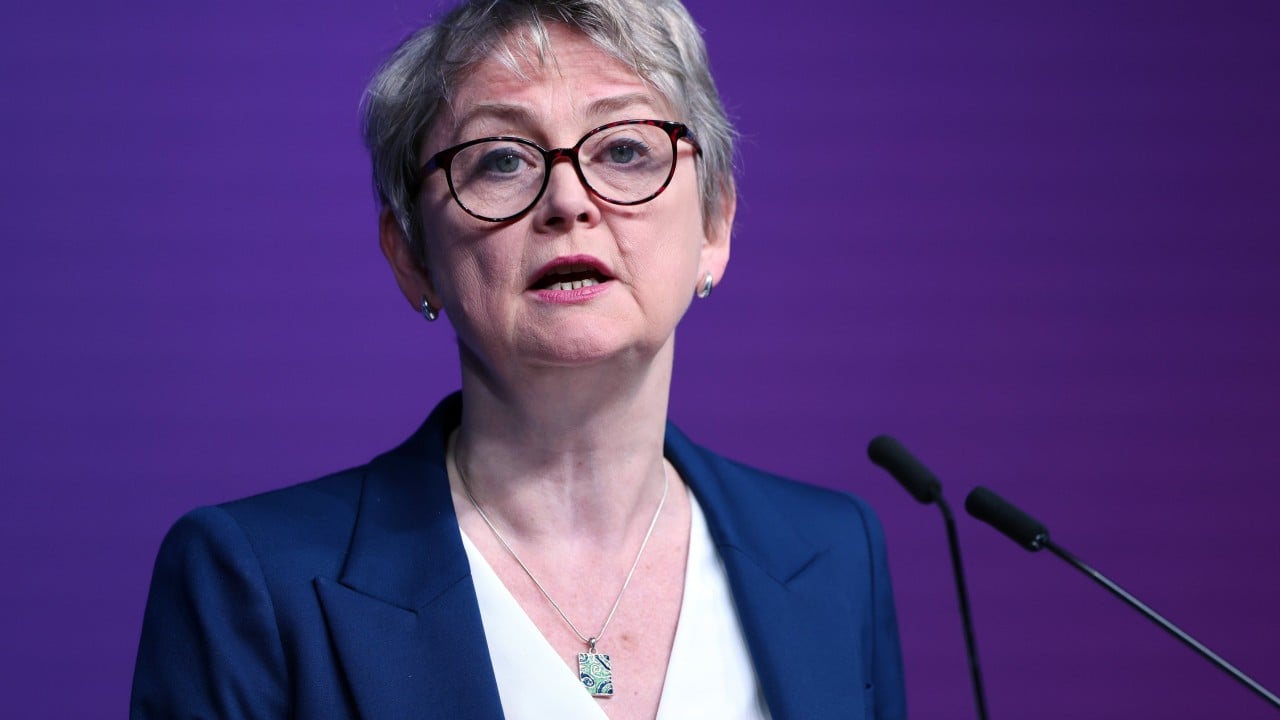

 2 sources
Morning Edition · Sunday, May 31, 2026Published at 7:29 AM EDT · New York
Britain's Foreign Secretary Tours China and India in a Bid to Repair Relations
Yvette Cooper's visits signal a further easing of United Kingdom-China ties and a deepening of the partnership with India.
The British foreign secretary, Yvette Cooper, is visiting China this week in a sign of further easing in relations following a summit earlier this year, the South China Morning Post reported. Cooper is expected to meet her Chinese counterpart, Wang Yi, and Vice-President Han Zheng, and to visit a technology hub, underscoring an effort to rebuild commercial and diplomatic ties.
Cooper will also travel to India, where she is scheduled to hold talks with External Affairs Minister Subrahmanyam Jaishankar on June 4, followed by engagements with business and academic figures, The Hindu reported. The visits are framed around cooperation on global challenges.
The two visits reflect a single calculation. The United Kingdom is trying to balance its security concerns about China against the economic opportunity that the world's second-largest economy offers, while pursuing closer ties with India as a growing market and a strategic partner. London is trying to maintain both relationships at the same time.
For a country still defining its economic direction outside the European Union, access to the large Asian markets is a priority. The visits suggest a practical approach that favors trade and investment ties even where political differences remain.
What this means
Britain is signaling that it will pursue commercial engagement with both China and India despite security frictions, a stance that shapes trade and investment flows for companies operating across Europe and Asia. The visits test whether a Western government can separate economic ties from strategic rivalry.
What to watch
- Any commercial or investment agreements announced during Cooper's stops in China and India.
- The tone of the United Kingdom's public statements on security and technology after the visits.
Observations to monitor, not financial advice.
Synthesized from: South China Morning Post · The Hindu
Townsquare
Start a discussion in Townsquare.
More from this edition
- Oil Falls Roughly 20 Percent From Its 2026 Peak as a Fragile Iran Truce Takes Shape
- Ukraine Strikes One of Russia's Largest Refineries as the Energy War Targets Oil Revenue
- Israel Captures Beaufort Castle in Its Deepest Push Into Lebanon in 26 Years
- A Moscow Court Orders Euroclear to Pay 200 Billion Euros, Hardening the Financial Split With Russia
- Japan and China Trade Accusations in Singapore as the Indo-Pacific Arms Race Sharpens
- Colombia Votes in an Election That Tests the Legacy of Its First Leftist President
- The Limits of Copying Beijing: Industrial Policy Spreads Across the Global South
Comments
0No comments yet.