← The Global Intelligence Brief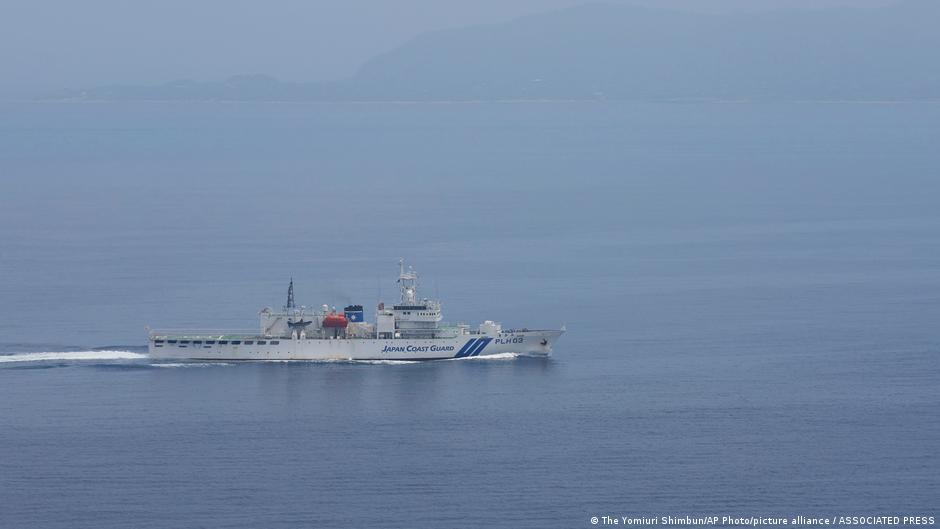

 3 sources
Morning Edition · Sunday, May 31, 2026Published at 7:29 AM EDT · New York
Japan and China Trade Accusations in Singapore as the Indo-Pacific Arms Race Sharpens
Tokyo rejected Beijing's "neo-militarism" label at a regional security forum and moved to export missiles, amid repeated confrontations at sea.
Japan's defense minister, Shinjiro Koizumi, rejected China's description of Japan as practicing "neo-militarism" at the Shangri-La Dialogue security forum in Singapore and accused Beijing of arming itself rapidly, Deutsche Welle reported. Koizumi noted that China possesses a large nuclear arsenal and strategic bombers while Japan has neither, and said Japan remained willing to hold talks. China sent a lower-level delegation to the forum.
The dispute over words comes alongside concrete steps toward rearmament. Japan and the Philippines are discussing the export of Japanese surface-to-ship guided missiles, with the Type-88 system under consideration, The Japan Times reported. Such a sale would further loosen Japan's long-standing limits on arms exports.
At sea, the confrontation is already direct. China conducted patrols around Scarborough Shoal after the Philippines warned of a threat, The Japan Times reported. The shoal is a contested reef that has become a recurring point of confrontation over sovereignty and fishing rights.
The dispute has economic importance beyond defense budgets. A worsening break between China and Japan threatens the trade in rare earths and critical minerals that high-technology manufacturing depends on, and it is speeding up efforts across the region to diversify supply chains away from a single dominant source.
Veracity: Corroborated
88/100- If true, who benefits
Tokyo, which rebuts the "neo-militarism" label while justifying its largest arms buildup since 1945 by pointing to China's larger nuclear and bomber forces.
- The nuance
Koizumi's remarks are confirmed by CNBC and the Japan Times, but each capital labels the other the aggressor, and Beijing sent only a lower-level delegation, so this is a contest of narratives rather than a neutral account.
An open-source-intelligence read of how likely this story is true with its real nuance, not a judgment of any outlet. It assesses the claim, weighing independent and adversarial reporting. How we label confidence.
What this means
The Indo-Pacific is the center of global manufacturing and the source of most critical minerals, so rising military tension between China and Japan threatens the supply chains that electronics, autos, and defense industries rely on. Investors exposed to Asian manufacturing face a gradually rising risk of disruption.
Synthesized from: Deutsche Welle · The Japan Times · The Japan Times
Townsquare
Start a discussion in Townsquare.
More from this edition
- Oil Falls Roughly 20 Percent From Its 2026 Peak as a Fragile Iran Truce Takes Shape
- Ukraine Strikes One of Russia's Largest Refineries as the Energy War Targets Oil Revenue
- Israel Captures Beaufort Castle in Its Deepest Push Into Lebanon in 26 Years
- A Moscow Court Orders Euroclear to Pay 200 Billion Euros, Hardening the Financial Split With Russia
- Colombia Votes in an Election That Tests the Legacy of Its First Leftist President
- The Limits of Copying Beijing: Industrial Policy Spreads Across the Global South
- Two Pivotal African Votes: Ethiopia Heads to Polls as Nigeria's Opposition Splinters
Comments
0No comments yet.