← The Global Intelligence Brief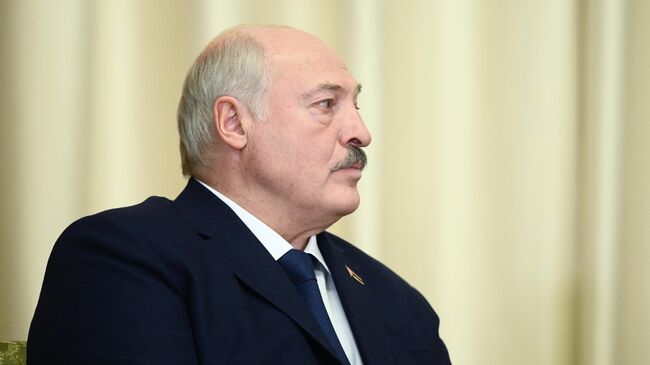

 3 sources
Morning Edition · Sunday, May 31, 2026Published at 7:29 AM EDT · New York
The Kremlin Dismisses European "Red Lines" as Drone Incidents Raise the Risk of a Wider War
Moscow rejected European warnings after an alleged drone strike in Romania, while Brussels readies a 21st sanctions package and the West accelerates a security debate.
The Kremlin rejected European Commission President Ursula von der Leyen's references to "red lines." President Vladimir Putin's spokesman, Dmitry Peskov, said countries that do everything to keep the war going should not invoke such limits, TASS reported. Von der Leyen had accused Russia of crossing a limit after a drone struck a residential building in Romania, and she said the European Union was preparing its 21st package of sanctions.
The exchange reflects positions that are becoming more rigid. Brussels and the North Atlantic Treaty Organization (NATO) have treated recent drone entries into European airspace as a direct challenge, while Moscow describes European policy as an effort to prolong the conflict rather than end it. The two accounts have little in common.
Belarusian President Alexander Lukashenko added to the tension, saying Minsk had identified what he called a very serious target not far from Belarus, RIA Novosti reported. He also gave his interpretation of President Trump's position on Ukraine, the agency reported separately, as Russia's closest ally tried to influence the diplomatic situation.
The underlying risk is escalation, either by accident or by intention, onto NATO territory at a time when the United States is reducing its military presence in Europe. That combination forces European governments to address a security gap they had assumed the United States would fill, and it keeps a low-probability but high-impact risk present for investors.
Veracity: Plausible
68/100- If true, who benefits
Brussels and NATO, for whom an attributed Russian strike on alliance territory strengthens the case for a 21st sanctions package and higher defense spending.
An open-source-intelligence read of how likely this story is true with its real nuance, not a judgment of any outlet. It assesses the claim, weighing independent and adversarial reporting. How we label confidence.
What this means
Incidents that bring the Ukraine war close to NATO territory carry a small but serious risk of drawing the alliance into direct conflict, an outcome that would change the pricing of risk across all markets. The expanding security debate also pushes European governments toward higher defense spending.
Synthesized from: TASS · RIA Novosti · RIA Novosti
Townsquare
Start a discussion in Townsquare.
More from this edition
- Oil Falls Roughly 20 Percent From Its 2026 Peak as a Fragile Iran Truce Takes Shape
- Ukraine Strikes One of Russia's Largest Refineries as the Energy War Targets Oil Revenue
- Israel Captures Beaufort Castle in Its Deepest Push Into Lebanon in 26 Years
- A Moscow Court Orders Euroclear to Pay 200 Billion Euros, Hardening the Financial Split With Russia
- Japan and China Trade Accusations in Singapore as the Indo-Pacific Arms Race Sharpens
- Colombia Votes in an Election That Tests the Legacy of Its First Leftist President
- The Limits of Copying Beijing: Industrial Policy Spreads Across the Global South
Comments
0No comments yet.