← The Global Intelligence Brief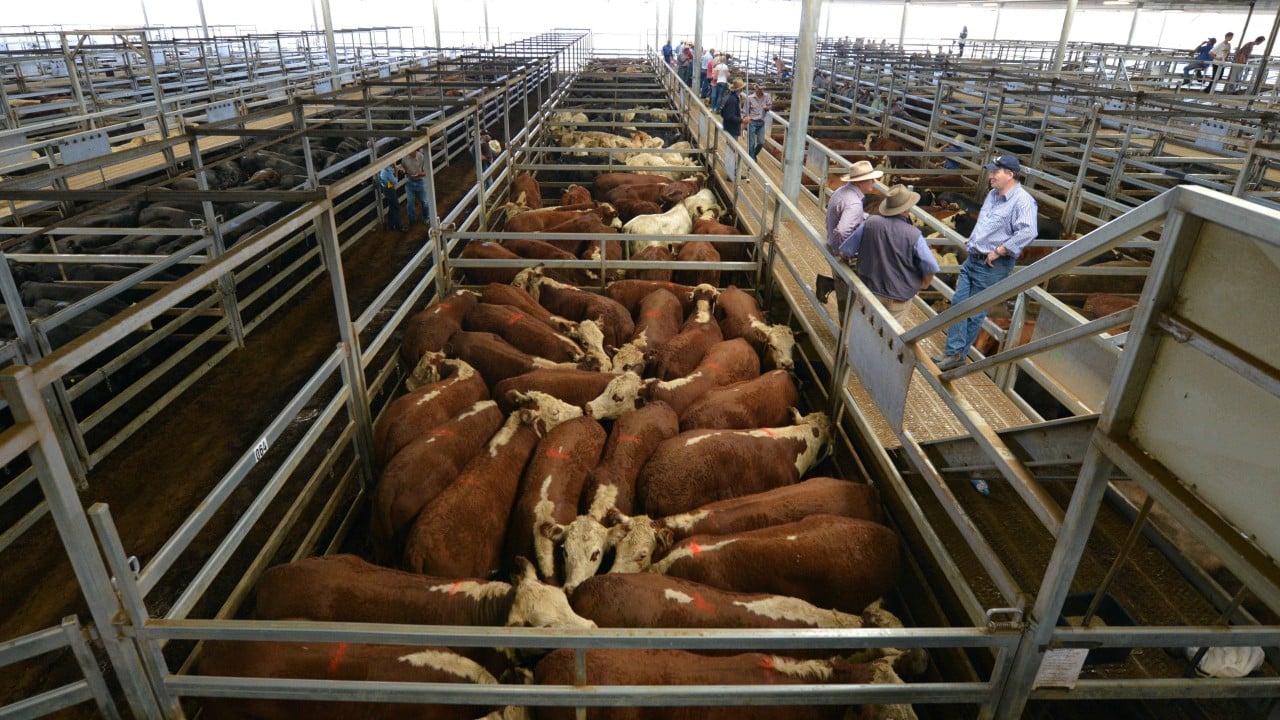

 2 sources
Morning Edition · Tuesday, June 2, 2026Published at 7:13 AM EDT · New York
China's 55 Percent Tariff on Australian Beef Nears Activation
Shipments are about to exceed an annual quota, after which a steep over-quota duty takes effect, testing a recently repaired trade relationship.
China's Ministry of Commerce confirmed that Australian beef will soon face an additional 55 percent import duty, with shipments about to surpass an annual quota set by Beijing. Imports had already reached about 90 percent of the threshold.
The quota allows roughly 205,000 tonnes of beef to enter at low tariffs, after which the 55 percent duty applies, beginning three days after the limit is passed. Beijing describes the safeguard measure as a way to protect domestic producers. Australian farmers had expected the tariff within weeks, and the timing points to early June.
Australia's red meat industry expects strong demand in the United States and Southeast Asia to offset much of the impact. Even so, moving from the current zero tariff to 55 percent would make most Australian beef uncompetitive in the Chinese market for the remainder of the period.
The measure illustrates how quota mechanisms can reroute commodity flows without a formal dispute. For Australia, it is a reminder that access to the Chinese market remains conditional, and it strengthens the case for diversifying export destinations.
What this means
The tariff redirects a significant share of Australian beef toward other markets and tests whether demand elsewhere can absorb the volume. It is a concrete example of how China uses quota thresholds to manage imports, with effects across global protein trade.
What to watch
- The exact date the quota is exceeded and the duty takes effect.
- Whether Australian exporters redirect volumes to the United States and Southeast Asia.
- Any diplomatic response from Canberra.
Observations to monitor, not financial advice.
Synthesized from: South China Morning Post · Bloomberg
Townsquare
Start a discussion in Townsquare.
More from this edition
- Bitcoin Falls Below $70,000 as Strategy Sells, Splitting the Hard-Money Trade
- Alphabet Launches $80 Billion Equity Raise to Fund AI Buildout
- Trump Brokers Pause in Israel's Lebanon Campaign, but Both Sides Hedge
- Russia Kills at Least 14 in Overnight Strikes on Kyiv and Dnipro
- EU Lawmakers Advance Tariff Cuts on American Goods Ahead of July Deadline
- Iran Weighs a Deal With Washington as Talks Resume Under Pressure
- Taiwan's Lai Ties Chip Supply Security to Preserving the Status Quo
- China Classifies Undisclosed AI Data as Protected Trade Secrets
Comments
0No comments yet.