← The Global Intelligence Brief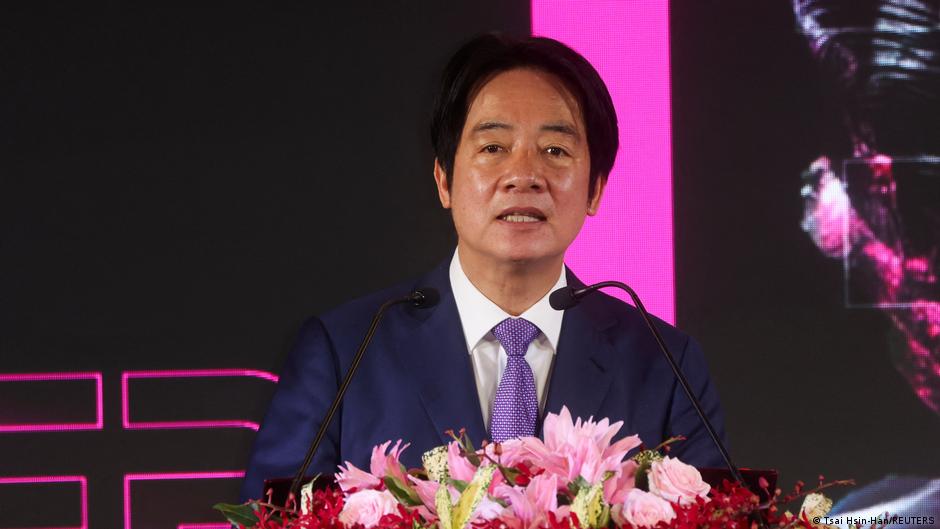

 2 sources
Morning Edition · Tuesday, June 2, 2026Published at 7:13 AM EDT · New York
Taiwan's Lai Ties Chip Supply Security to Preserving the Status Quo
The president opened a technology summit in Taipei arguing that stability across the strait is essential to the supply chains the world depends on.
President Lai Ching-te opened an artificial-intelligence and technology summit in Taipei by arguing that preserving the cross-strait status quo is key to securing technology supply chains. Taiwan manufactures a large share of the world's advanced semiconductors, and its relationship with China remains a persistent source of risk.
Lai's argument positions Taiwan's stability as a global economic interest rather than a regional dispute. By tying chip supply to the absence of conflict, he addressed an audience of foreign technology firms and governments that depend on Taiwanese production for everything from data-center processors to consumer electronics.
The message comes amid intensifying competition over semiconductors and a broader effort by the United States, Europe and Asian governments to diversify chip manufacturing away from a single concentration point. Those efforts will take years, which leaves the current dependence on Taiwan largely intact.
The concentration of advanced chipmaking in one location is a structural feature of the global economy. Any disruption, whether from a blockade, a natural event or political escalation, would affect output across multiple industries, which is why Lai's appeal for stability matters well beyond Taiwan.
What this means
Taiwan's dominance in advanced semiconductors makes cross-strait stability a global economic concern, not only a security one. Lai's argument reframes deterrence as supply-chain protection, an angle aimed at the firms and governments most exposed to any disruption.
What to watch
- Progress on chip-manufacturing diversification in the United States, Europe and Japan.
- Chinese military activity around Taiwan in response to the summit.
- Commitments from foreign technology firms at the Taipei event.
Observations to monitor, not financial advice.
Synthesized from: Deutsche Welle · South China Morning Post
Townsquare
Start a discussion in Townsquare.
More from this edition
- Bitcoin Falls Below $70,000 as Strategy Sells, Splitting the Hard-Money Trade
- Alphabet Launches $80 Billion Equity Raise to Fund AI Buildout
- Trump Brokers Pause in Israel's Lebanon Campaign, but Both Sides Hedge
- Russia Kills at Least 14 in Overnight Strikes on Kyiv and Dnipro
- EU Lawmakers Advance Tariff Cuts on American Goods Ahead of July Deadline
- China's 55 Percent Tariff on Australian Beef Nears Activation
- Iran Weighs a Deal With Washington as Talks Resume Under Pressure
- China Classifies Undisclosed AI Data as Protected Trade Secrets
Comments
0No comments yet.