← The Global Intelligence Brief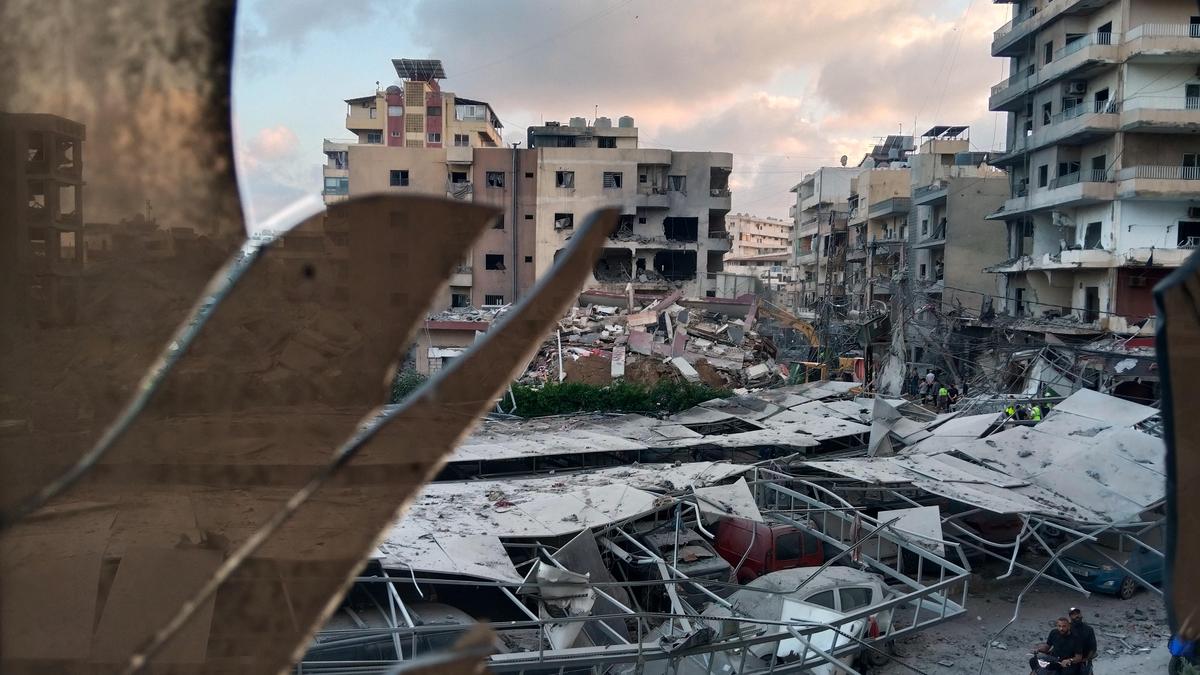


 3 sources
Morning Edition · Tuesday, June 2, 2026Published at 7:13 AM EDT · New York
Trump Brokers Pause in Israel's Lebanon Campaign, but Both Sides Hedge
The American president said Israel and Hezbollah agreed to stop fighting and that no troops would enter Beirut, yet Israeli leaders insisted operations in southern Lebanon would continue.
President Donald Trump said Israel and Hezbollah had agreed to halt hostilities and that Israeli troops headed toward Beirut had been turned back, after what he described as a productive call with Prime Minister Benjamin Netanyahu. Trump publicly criticized the Israeli plan to escalate in Lebanon and blocked an assault on the capital.
The situation in Lebanon was less settled. Netanyahu vowed to continue Israel's campaign against Hezbollah in southern Lebanon, and Defense Minister Israel Katz denied that any ceasefire existed, even as both men stopped short of ordering an attack on Beirut. Air-raid alerts sounded in northern Israel overnight, indicating the truce remained partial at best.
In Tehran, officials moved quickly to signal support for Hezbollah, with Iranian state media describing the relationship as an unbreakable bond. Iran's framing matters because the Lebanon front is tied to the parallel negotiations between Washington and Tehran, and a renewed Israeli offensive could disrupt them.
The accounts diverge on a central point. Trump presented a clear agreement, while Israeli officials acknowledged only a decision not to strike Beirut for now. A former Lebanese deputy prime minister told Euronews he did not trust any side to stop the fighting, which reflects the uncertainty over whether the pause will hold.
Veracity: Plausible
71/100- If true, who benefits
Trump gains a public win as peacemaker, and Netanyahu retains freedom to keep operating in southern Lebanon while avoiding blame for defying Washington.
- The nuance
The announcement is real and widely reported, but the load-bearing word is "agreement," which Israeli Defense Minister Katz denied existed even as Hezbollah kept firing rockets and Israeli strikes continued in the south.
An open-source-intelligence read of how likely this story is true with its real nuance, not a judgment of any outlet. It assesses the claim, weighing independent and adversarial reporting. How we label confidence.
What this means
A halt to the Lebanon escalation, if it holds, would ease one of the larger near-term risks to oil and regional stability. The gap between Trump's account and the statements of Israeli ministers means the durability of the pause is unconfirmed, and the link to the Iran talks makes the stakes broader than Lebanon alone.
What to watch
Synthesized from: The New York Times · The Hindu · Globes
Townsquare
Start a discussion in Townsquare.
More from this edition
- Bitcoin Falls Below $70,000 as Strategy Sells, Splitting the Hard-Money Trade
- Alphabet Launches $80 Billion Equity Raise to Fund AI Buildout
- Russia Kills at Least 14 in Overnight Strikes on Kyiv and Dnipro
- EU Lawmakers Advance Tariff Cuts on American Goods Ahead of July Deadline
- China's 55 Percent Tariff on Australian Beef Nears Activation
- Iran Weighs a Deal With Washington as Talks Resume Under Pressure
- Taiwan's Lai Ties Chip Supply Security to Preserving the Status Quo
- China Classifies Undisclosed AI Data as Protected Trade Secrets
Comments
0No comments yet.