← The Global Intelligence Brief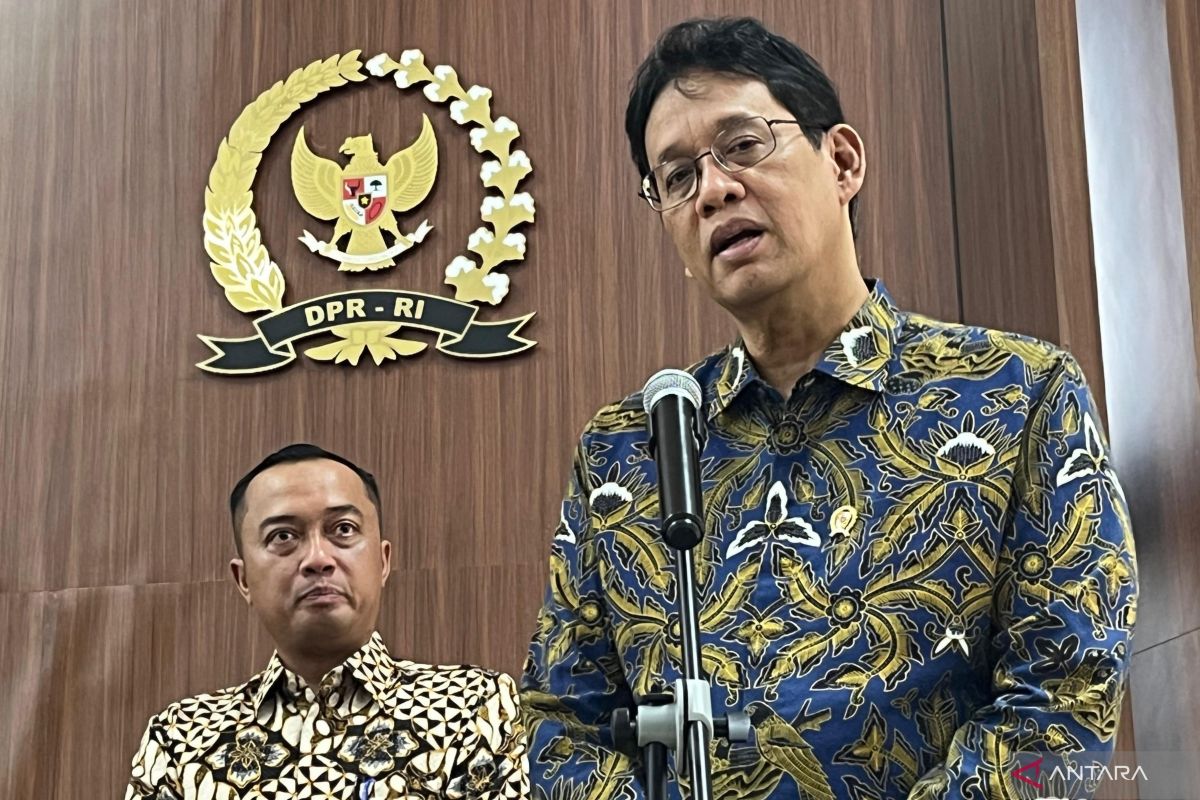
 2 sources
Morning Edition · Saturday, June 6, 2026Published at 7:14 AM EDT · New York
Indonesia's Finance Minister Says Currency and Stock Weakness Does Not Reflect Fundamentals
Jakarta moved to reassure markets that a falling rupiah and equity index do not signal a repeat of the country's 1998 crisis.
Indonesian Finance Minister Purbaya Yudhi Sadewa said the recent weakness in the rupiah and the Jakarta Composite Index does not reflect the country's underlying fundamentals, the state agency Antara reported. He sought to distinguish between short-term market moves and the structural health of Southeast Asia's largest economy.
In separate remarks, the minister directly addressed the comparison that worries investors most, stating that Indonesia is not heading toward another economic, financial and monetary crisis like the one that devastated the country in 1998. That episode, in which the rupiah collapsed and the banking system failed, remains the benchmark against which every episode of currency weakness in the region is measured.
The reassurance arrives as emerging-market currencies broadly face pressure from a higher oil price, cautious global risk sentiment and the attraction of dollar assets. When a finance minister feels compelled to publicly rule out a crisis, it usually means investors have been asking the question, and the value of such statements depends entirely on whether the data that follows confirms them.
The episode illustrates a wider dynamic across developing economies during the current war-driven energy shock. Importers of oil face a widening bill, their currencies weaken against the dollar, and policymakers must defend confidence without the deep reserves that protect richer economies. Public statements help only slightly, and capital flows ultimately respond to fundamentals.
What this means
Indonesia is a useful gauge of how emerging markets are absorbing the oil shock and a strong dollar. Official denials of crisis are common at moments of stress, so the meaningful signal will be in the reserve, inflation and capital-flow data rather than in the reassurance itself.
What to watch
- The rupiah's level against the dollar and the direction of the Jakarta Composite Index.
- Indonesia's foreign-exchange reserves and any central-bank intervention.
- Whether other Asian economies issue similar reassurances about their currencies.
Observations to monitor, not financial advice.
Synthesized from: Antara · Antara (1998)
Townsquare
Start a discussion in Townsquare.
More from this edition
- Oil Holds Near Triple Digits as Hormuz Disruption Drives Airlines Into a Fuel Crisis
- Iran Fires Missiles at US Bases in Kuwait and Bahrain After American Strikes on Its Coast
- Iran Demands Cash Up Front as a Nuclear Deal Stalls Over Frozen Billions
- Russia Closes St. Petersburg Forum Touting Billions in Deals and a Sanctions-Proof Order
- Bitcoin Drops Below $62,000 as Traders Weigh a Coming SpaceX Listing
- Fitch Lifts South Africa's Rating for the First Time in About Two Decades
- Putin Says Sanctions on India Would "Boomerang" as Moscow Courts New Delhi
- Zelensky Writes an Open Letter to Putin Proposing a Meeting and a Full Ceasefire
Comments
0No comments yet.