← The Global Intelligence Brief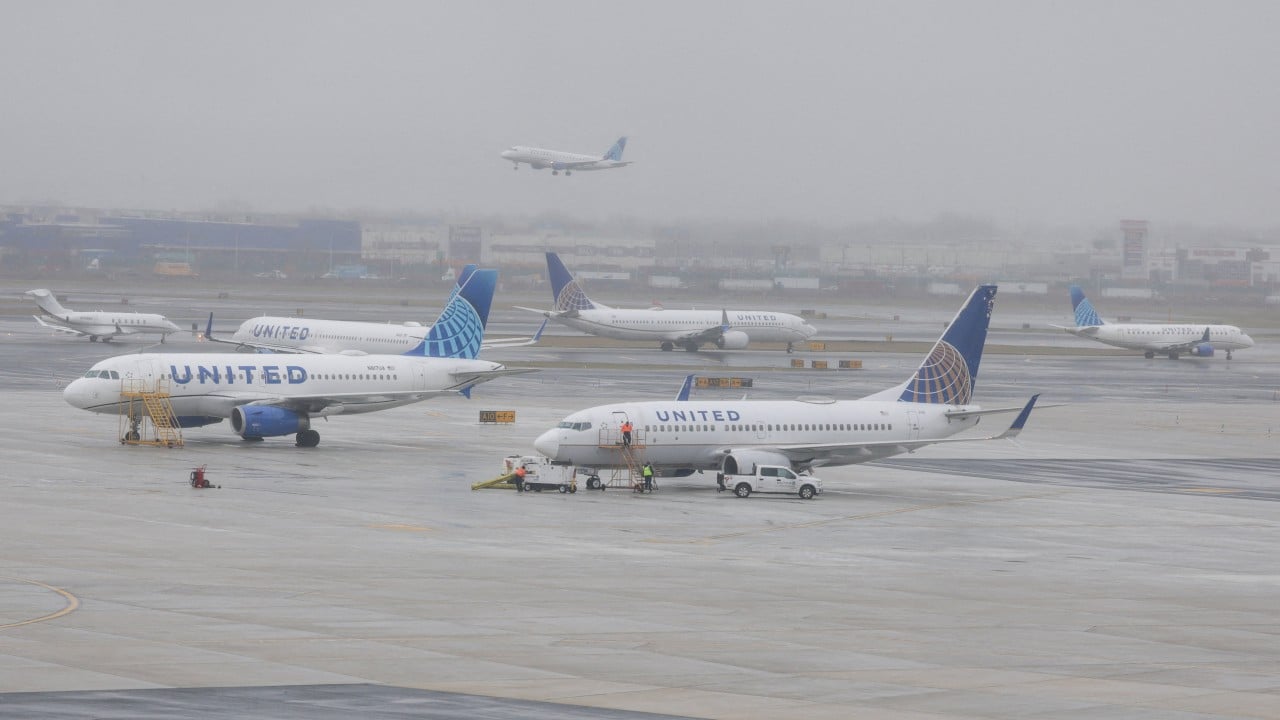


 3 sources
Morning Edition · Saturday, June 6, 2026Published at 7:14 AM EDT · New York
Oil Holds Near Triple Digits as Hormuz Disruption Drives Airlines Into a Fuel Crisis
Global airline leaders open their annual meeting in Rio de Janeiro facing the sharpest cost shock since the pandemic, as the war with Iran keeps a fifth of the world's oil supply at risk.
The leaders of the world's airlines gathered in Rio de Janeiro on Saturday for the annual meeting of the International Air Transport Association (IATA), and the dominant subject was the price of fuel. The war between the United States, Israel and Iran has restricted traffic through the Strait of Hormuz, the channel that carries close to a fifth of the world's seaborne oil, and the disruption has pushed jet fuel more than 120 percent above its level before the fighting began, according to industry data cited by Al Jazeera.
Carriers have responded by raising fares and cutting capacity. Airlines have removed roughly 9.3 million seats from schedules for June through September, and at least one low-cost operator has stopped flying entirely. In Thailand alone, carriers canceled about 3,800 flights as the price of Jet A-1 fuel tripled, lifting fuel from about 30 percent of airline costs to roughly half, the Russian agency TASS reported. The South China Morning Post described executives arriving in Brazil to confront the hardest test of the industry's recovery since the pandemic, a point made in the Guardian's note that the summit itself required flying thousands of delegates across the world during a fuel shortage.
Crude oil itself has been volatile rather than uniformly high. Brent settled near $93 a barrel on Friday, down about 2 percent on the day as traders weighed weaker global demand against the supply threat, even though Brent and West Texas Intermediate remain more than 45 percent above their late-February levels. The International Energy Agency has called the Hormuz interruption the largest supply disruption in the history of the global oil market.
This is a supply shock, not a demand boom. The price pressure comes from oil that is being kept off the market, and it raises input costs across transport, food and manufacturing at the same time central banks are still trying to bring inflation down. That combination, rising prices in the real economy set against fragile growth, is the difficult situation that complicates any return to cheaper credit.
Veracity: Corroborated
82/100- If true, who benefits
Oil producers and carriers gain a clean external reason for high prices and fare increases, and war hawks gain proof that Iran threatens global supply.
- The nuance
The core fuel disruption is well corroborated, but the "largest supply disruption in history" superlative is attributed to the IEA without an independent confirmation, and the Thailand flight figure rests on the Russian agency TASS.
An open-source-intelligence read of how likely this story is true with its real nuance, not a judgment of any outlet. It assesses the claim, weighing independent and adversarial reporting. How we label confidence.
What this means
Energy is the link that turns a regional war into a global price problem. As long as Hormuz traffic stays constricted, every shipping, airline and consumer-price forecast carries an oil premium that monetary policy cannot easily offset, because the cause is a blocked waterway rather than loose money.
What to watch
Synthesized from: South China Morning Post · The Guardian · TASS
Townsquare
Start a discussion in Townsquare.
More from this edition
- Iran Fires Missiles at US Bases in Kuwait and Bahrain After American Strikes on Its Coast
- Iran Demands Cash Up Front as a Nuclear Deal Stalls Over Frozen Billions
- Russia Closes St. Petersburg Forum Touting Billions in Deals and a Sanctions-Proof Order
- Bitcoin Drops Below $62,000 as Traders Weigh a Coming SpaceX Listing
- Fitch Lifts South Africa's Rating for the First Time in About Two Decades
- Putin Says Sanctions on India Would "Boomerang" as Moscow Courts New Delhi
- Zelensky Writes an Open Letter to Putin Proposing a Meeting and a Full Ceasefire
- Trump's Drive in Latin America Squeezes China, and Nicaragua May Be Next
Comments
0No comments yet.