← The Global Intelligence Brief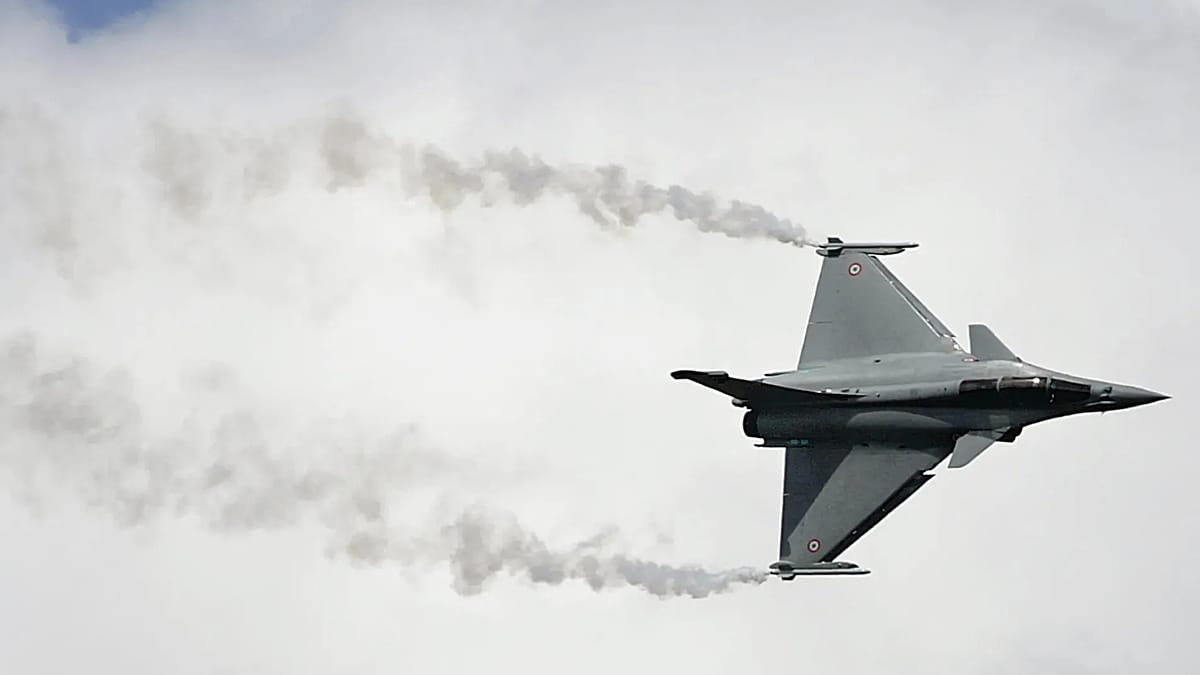

 2 sources
Morning Edition · Tuesday, June 9, 2026Published at 6:19 AM EDT · New York
France and Germany Scrap Their Joint Fighter Jet, Europe's Costliest Defense Project
After years of disputes between Airbus and Dassault, the $110 billion Future Combat Air System (FCAS) program has collapsed, exposing the limits of European defense cooperation.
Germany and France have abandoned the Future Combat Air System (FCAS), a program to build a next-generation fighter jet that was intended to be Europe's largest joint defense project, Euronews reported. The decision, made on June 8, ended an effort begun in 2017, after the companies involved failed to resolve years of disagreement over how to divide the work and what the aircraft should do.
The estimated cost had grown to more than $110 billion, a very large sum for a European defense initiative. The breakdown was caused by disputes over control and requirements. France's Dassault Aviation and Airbus, representing German and Spanish interests, could not agree on which company would lead, and the two governments needed different aircraft. France required a fighter able to carry nuclear weapons and operate from an aircraft carrier, capabilities Germany does not need, and France rejected a German proposal to develop two separate aircraft within a single program.
The collapse comes at a difficult moment. Europe is being pressed to provide for its own defense as the United States reduces its military presence on the continent, and the failure of its most prominent cooperative program shows how hard that will be in practice. National rivalries and differing strategic needs, the same factors that ended FCAS, affect nearly every shared European procurement.
Not everything stops. The networked Combat Cloud component of the project will continue, and both countries will now consider national or alternative routes to a future fighter. The broader lesson concerns the gap between Europe's stated ambition for strategic independence and its ability to achieve it.
Veracity: Corroborated
90/100- If true, who benefits
Dassault, which can now pursue a French-led national fighter, and commentators arguing European defense cooperation is structurally unworkable.
- The nuance
The cost estimate varies by source (roughly $110 billion to $116 billion) and "collapse" overstates the outcome, because the shared Combat Cloud architecture survives the split.
An open-source-intelligence read of how likely this story is true with its real nuance, not a judgment of any outlet. It assesses the claim, weighing independent and adversarial reporting. How we label confidence.
What this means
The end of FCAS exposes how difficult it is for European states to build major weapons together even as they are told to rely less on the United States. The failure points to higher costs and slower timelines for European rearmament, and to continued dependence on American and other foreign systems.
What to watch
Synthesized from: Euronews · Al Jazeera
Townsquare
Start a discussion in Townsquare.
More from this edition
- Chipmakers Recover a $1 Trillion Selloff as SpaceX and OpenAI Advance Toward Record Listings
- Oil Eases Toward $93 as Iran and Israel Halt Direct Strikes
- Russian Stocks Fall Below 2,500 as War and Sanctions Pressure Mount
- German Exports Rise for a Third Month, but Factory Output Lags
- A Caution Signal in Stablecoins as Bitcoin Steadies Near $64,000
- Pentagon Adds Alibaba, Baidu and BYD to Its Chinese Military List
- Iran and Israel Pause Direct Strikes, but Israel Keeps Hitting Lebanon
- US-Iran Talks Stall as Both Sides Insist on Declaring Victory
Comments
0No comments yet.