← The Global Intelligence Brief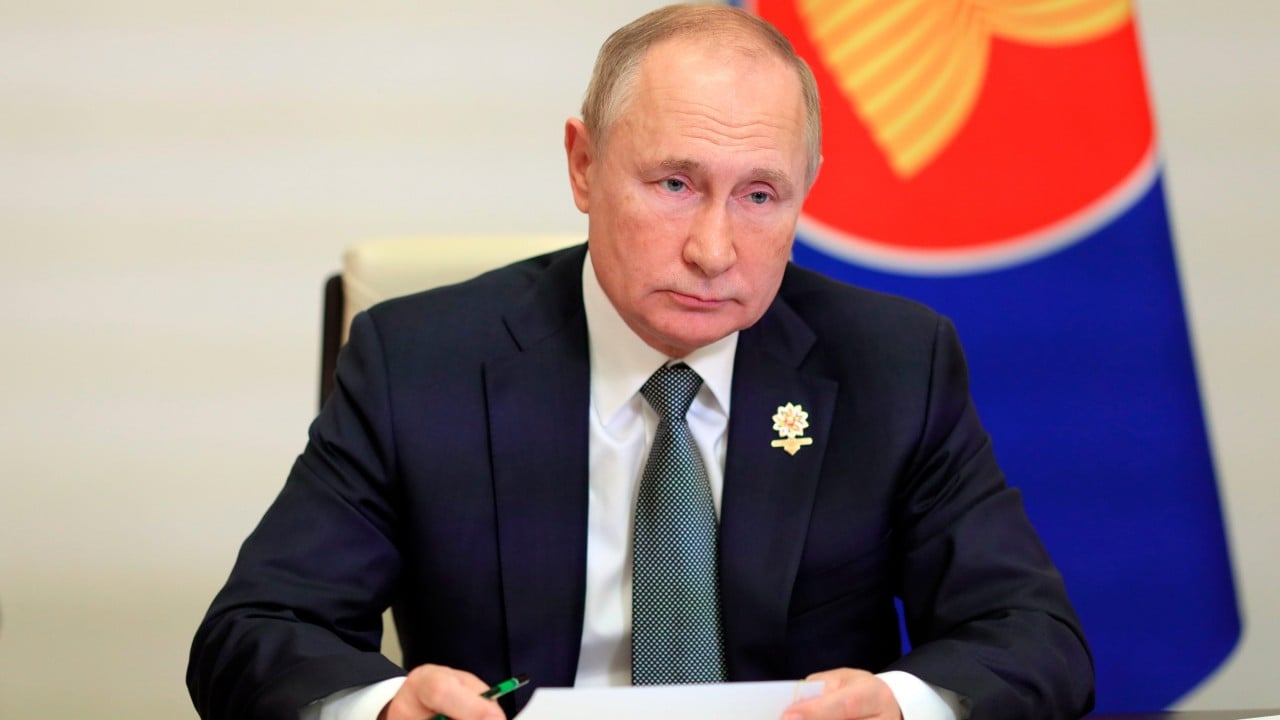

 2 sources
Morning Edition · Tuesday, June 9, 2026Published at 6:19 AM EDT · New York
Putin Courts Southeast Asia as Russia Seeks to Escape Isolation
A summit with leaders of the Association of Southeast Asian Nations (ASEAN) in Kazan offers Moscow diplomatic support and the region cheaper energy, though not every leader plans to attend.
President Vladimir Putin will host leaders of the Association of Southeast Asian Nations (ASEAN) at a summit in the Russian city of Kazan, an event Moscow is using to demonstrate that it is not diplomatically isolated, the South China Morning Post reported. The meeting, scheduled for June 17 and 18, offers Southeast Asia help with its energy needs and gives Russia a venue among non-Western partners.
The energy element is concrete. Several ASEAN members, including the Philippines, Indonesia, Thailand and Vietnam, have imported Russian crude or expressed interest in it after global fuel prices rose sharply following the strikes on Iran. For these economies, discounted Russian oil is an attractive protection against an unstable market, which gives Moscow influence it would otherwise lack.
The relationship does not favor Russia entirely, and analysts are divided over which side needs the other more. The agenda covers trade, investment, agriculture, digital technology and education, areas where Southeast Asian states want a range of partners rather than dependence on any single power. Russian Foreign Minister Sergei Lavrov has said Moscow looks forward to welcoming all ASEAN heads of state, and named Philippine President Ferdinand Marcos Jr. in particular, although his own government had not formally confirmed his attendance.
The summit fits a wider realignment in which Russia is reorganizing its commerce around partners beyond the scope of Western sanctions. Whether ASEAN treats Russia as a strategic partner or simply a convenient supplier of cheap energy is the question the meeting will begin to answer.
Veracity: Corroborated
81/100- If true, who benefits
Russia, which uses the Kazan summit to project that sanctions have not left it diplomatically isolated.
- The nuance
The claim that Marcos and all ASEAN heads of state will attend is sourced to Russia's foreign minister and was not confirmed by Manila, with Singapore and others also unconfirmed, so the headline attendance is the weak point.
An open-source-intelligence read of how likely this story is true with its real nuance, not a judgment of any outlet. It assesses the claim, weighing independent and adversarial reporting. How we label confidence.
What this means
The summit advances Russia's effort to base its trade in non-Western blocs and to show that it retains diplomatic standing despite sanctions. For Southeast Asia, the appeal is cheaper energy and a wider range of partners, part of a gradual shift toward a more multipolar order in global commerce.
What to watch
Synthesized from: South China Morning Post · Asia News Network
Townsquare
Start a discussion in Townsquare.
More from this edition
- Chipmakers Recover a $1 Trillion Selloff as SpaceX and OpenAI Advance Toward Record Listings
- Oil Eases Toward $93 as Iran and Israel Halt Direct Strikes
- Russian Stocks Fall Below 2,500 as War and Sanctions Pressure Mount
- German Exports Rise for a Third Month, but Factory Output Lags
- A Caution Signal in Stablecoins as Bitcoin Steadies Near $64,000
- Pentagon Adds Alibaba, Baidu and BYD to Its Chinese Military List
- Iran and Israel Pause Direct Strikes, but Israel Keeps Hitting Lebanon
- US-Iran Talks Stall as Both Sides Insist on Declaring Victory
Comments
0No comments yet.