← The Global Intelligence Brief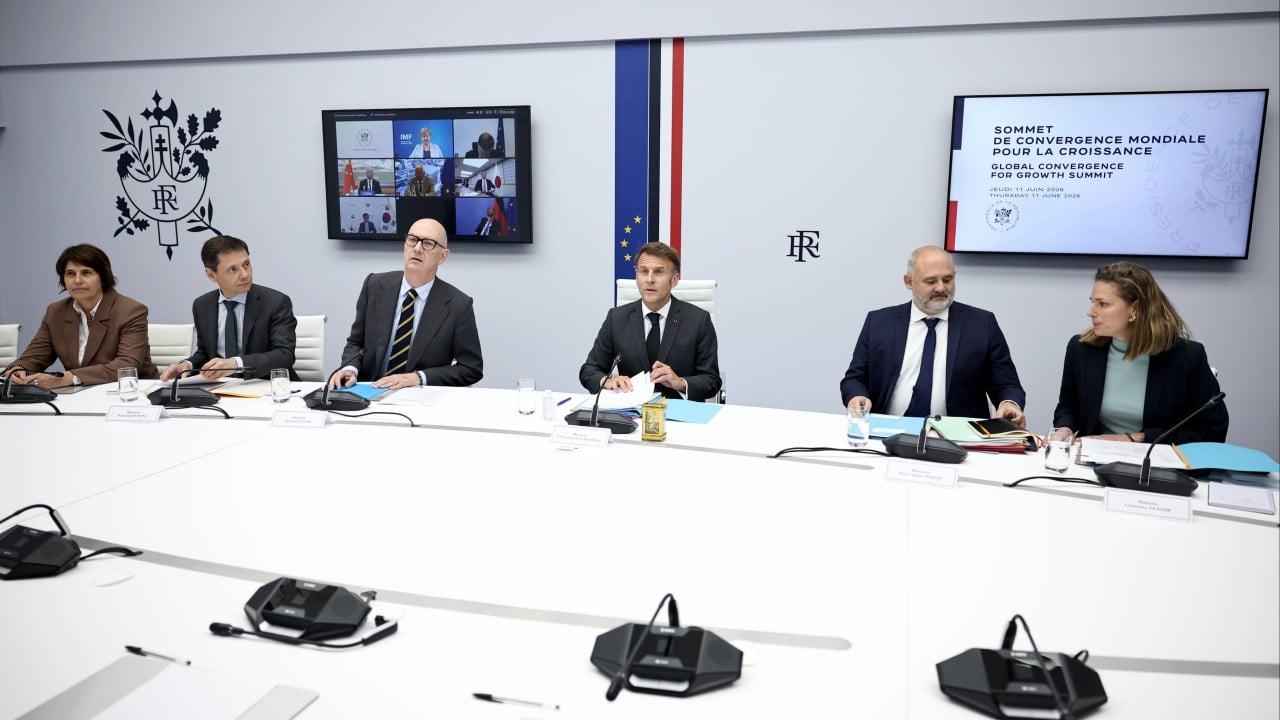
 2 sources
Morning Edition · Friday, June 12, 2026Published at 6:11 AM EDT · New York
China Urges Open Trade Before Summits That Could Set Off a Clash With Europe
Beijing called on major economies to keep markets open as it prepares for meetings next week, while domestic retail sales showed little growth.
China called on major nations to "foster a free and facilitative trading environment" ahead of two summits next week that analysts warn could mark the start of a trade dispute with the European Union, the South China Morning Post reported. Vice-Premier Zhang Guoqing said Beijing was "steadfastly expanding high-standard opening up" in a video address.
The appeal to open markets came as China's own retail sales showed almost no growth, underscoring the weakness of domestic demand that has pushed Beijing to rely on exports. That export reliance is precisely what European officials have begun to resist, raising the prospect of new tariffs or restrictions when leaders meet.
Several diplomatic events are scheduled in quick succession. The same report noted President Xi Jinping's planned visit to North Korea, a signal of Beijing's effort to consolidate partners outside the Western bloc as commercial frictions widen.
Domestically, regulators are recalibrating. Chinese agencies have stepped up public enforcement against large corporations, a separate South China Morning Post account found, though officials are framing the actions as routine and neutral rather than a repeat of the abrupt 2021 crackdown on technology firms.
Veracity: Corroborated
76/100- If true, who benefits
Beijing, which casts itself as the defender of open markets ahead of the June 18-19 summit while deflecting from the export surge driving the dispute.
- The nuance
The "free and facilitative trading" appeal omits China's own subsidies and rare-earth export controls that prompted the European Union to weigh new tariffs in the first place.
An open-source-intelligence read of how likely this story is true with its real nuance, not a judgment of any outlet. It assesses the claim, weighing independent and adversarial reporting. How we label confidence.
What this means
Weak consumer demand at home and resistance to Chinese exports abroad leave Beijing with fewer outlets for its production. If the European Union moves toward tariffs, it would extend the pattern of fragmenting global trade into rival blocs, raising costs and reinforcing the slow drift away from a single integrated market.
Synthesized from: South China Morning Post · South China Morning Post
Townsquare
Start a discussion in Townsquare.
More from this edition
- Oil Slides Toward Eight-Week Low as Iran Deal Hopes Lift Stocks and Bonds
- Trump Says Iran Accord Is Close, Tehran Says Nothing Is Final
- SpaceX Set to Begin Trading at 1.8 Trillion Dollars in Largest Listing on Record
- India Defends Russian Oil Purchases and Says Washington Once Asked for Them
- Russia and Ukraine Trade Overnight Strikes as Energy War Grinds On
- China Steps Up Public Enforcement but Frames It as Routine, Not a Crackdown
- Iran War Keeps Inflation Elevated Across Europe as Energy Costs Linger
- China Detains American Researcher on Suspicion of Spying
Comments
0No comments yet.