← The Global Intelligence Brief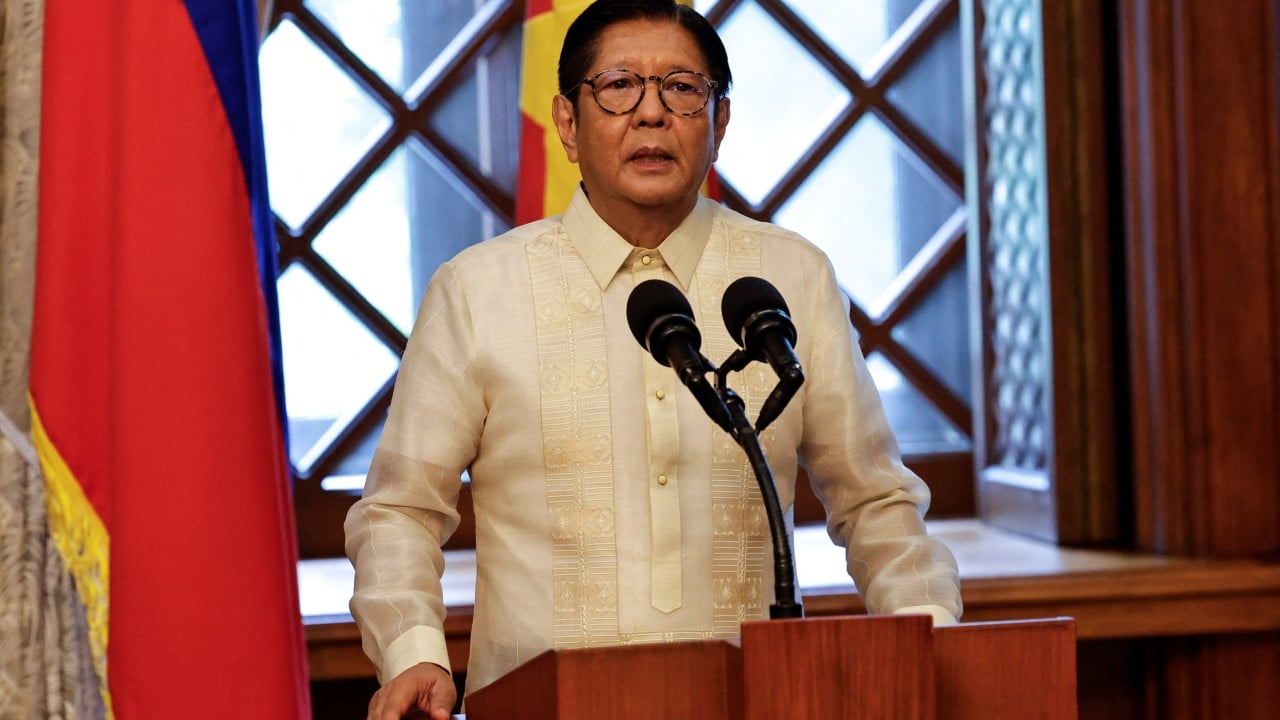
 1 source
Morning Edition · Friday, June 12, 2026Published at 6:11 AM EDT · New York
Marcos Heads to Russia for Summit, Testing Manila's Balance Between Powers
The Philippine president will join a meeting of Moscow and Southeast Asian leaders next week, a visit Washington and Beijing will watch closely.
Philippine President Ferdinand Marcos Jr. will travel to Russia next week for a summit bringing together Moscow and the leaders of Southeast Asia, the South China Morning Post reported. Analysts said the trip would allow Manila to demonstrate that it can fulfill its role as chair of the Association of Southeast Asian Nations (ASEAN) while keeping diplomatic channels open with major powers.
The visit is delicate. The Philippines has aligned closely with the United States on maritime disputes with China, yet attending a summit hosted by Russia signals that Manila intends to engage all major powers rather than choose sides outright. Both Washington and Beijing will read the trip for signs of how firmly the region's states intend to hedge.
For the wider bloc, the meeting reflects a pattern in which middle powers increasingly seek room to maneuver between competing centers of influence rather than commit to a single one. Russia, isolated from the West, gains from any forum that demonstrates it retains partners in Asia.
The summit also tests ASEAN's cohesion at a time when its members face pressure from rival trade and security blocs, and when the region's economies are exposed to both the United States tariff revival and slowing Chinese demand.
Veracity: Corroborated
85/100- If true, who benefits
Russia, which uses the Kazan ASEAN-Russia summit to show it retains Asian partners despite Western isolation.
- The nuance
Marcos attends as ASEAN chair leading a bloc commemorative summit, and his government simultaneously hosted Zelensky, which complicates reading the trip as a tilt toward Moscow.
An open-source-intelligence read of how likely this story is true with its real nuance, not a judgment of any outlet. It assesses the claim, weighing independent and adversarial reporting. How we label confidence.
What this means
The willingness of a United States security partner to attend a Russia-hosted summit underscores how the post-Cold War habit of choosing one camp is being replaced by active hedging. For investors, a more multipolar order means political risk is less predictable, as even close allies pursue independent deals with rival powers.
Source: South China Morning Post
Townsquare
Start a discussion in Townsquare.
More from this edition
- Oil Slides Toward Eight-Week Low as Iran Deal Hopes Lift Stocks and Bonds
- Trump Says Iran Accord Is Close, Tehran Says Nothing Is Final
- SpaceX Set to Begin Trading at 1.8 Trillion Dollars in Largest Listing on Record
- China Urges Open Trade Before Summits That Could Set Off a Clash With Europe
- India Defends Russian Oil Purchases and Says Washington Once Asked for Them
- Russia and Ukraine Trade Overnight Strikes as Energy War Grinds On
- China Steps Up Public Enforcement but Frames It as Routine, Not a Crackdown
- Iran War Keeps Inflation Elevated Across Europe as Energy Costs Linger
Comments
0No comments yet.