← The Global Intelligence Brief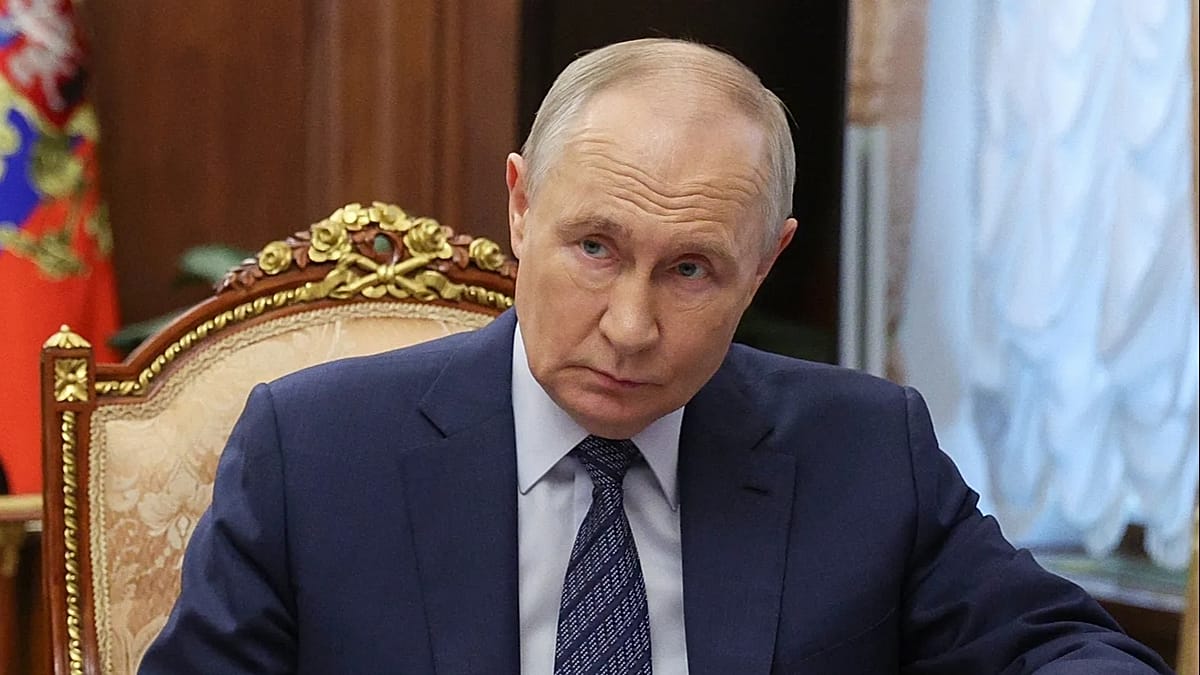


 3 sources
Morning Edition · Wednesday, June 17, 2026Published at 6:14 AM EDT · New York
Putin Hosts ASEAN as the G7 Vows to Keep Backing Ukraine
Two summits held at the same time show a world dividing into rival economic blocs, with Moscow turning decisively toward Asia.
As the Group of Seven (G7) met in France and reaffirmed support for Ukraine, President Vladimir Putin hosted leaders of the Association of Southeast Asian Nations (ASEAN) in Russia. Euronews reported that the simultaneous gatherings underscored a widening divide, with Ukrainian President Volodymyr Zelenskyy securing G7 commitments on air defense and new measures against Russia.
The Russia-ASEAN meeting is an effort to direct trade around Western sanctions. Malaysian Prime Minister Anwar Ibrahim thanked Putin for the invitation and addressed a business forum, which Russia presents as evidence that much of the world has not isolated it. Russian state media describe the engagement as building trade that can withstand sanctions.
The supporting economic data is concrete. The business daily Kommersant reported that cargo traffic on the Northern Sea Route rose 13 percent in the first five months of the year to 14.5 million tonnes, as Russia develops an Arctic shipping route toward Asian markets. The pattern reflects a steady redirection of Russian trade toward regional partners and away from the dollar-based Western system.
Veracity: Corroborated
80/100- If true, who benefits
Moscow, which stages the Kazan summit to show it is not isolated and to court Asian trade outside Western finance.
- The nuance
Most ASEAN states sent prime ministers rather than heads of state and are balancing rather than aligning, so the "decisive turn to Asia" is Russian framing, and the Northern Sea Route figure is Russian-sourced.
An open-source-intelligence read of how likely this story is true with its real nuance, not a judgment of any outlet. It assesses the claim, weighing independent and adversarial reporting. How we label confidence.
What this means
The simultaneous summits are a visible marker of a multipolar realignment, with Russia building trade routes and partnerships designed to function outside Western finance. Each new route and forum weakens the assumption that sanctions can fully isolate a large commodity exporter.
What to watch
- Concrete trade or settlement deals emerging from the Russia-ASEAN summit
Synthesized from: Euronews · TASS · Kommersant
Townsquare
Start a discussion in Townsquare.
More from this edition
- Warsh Holds His First Fed Meeting as Markets Sit Near Records
- US-Iran Truce Reopens Hormuz Talks and Sends Oil to a Three-Month Low
- Ukrainian Strikes on Refineries Push Russia Toward a Fuel Squeeze
- Drone Strike on a Children's Bus in Bryansk Kills a Chaperone
- SpaceX Passes Amazon to Become the Fifth Most Valuable Listed Company
- Europe Pushes for AI Sovereignty After a US Access Cutoff
- Starmer Calls Russian Warship's Channel Warning Shots Reckless
- Fujimori Nears a Narrow Win in Peru as the Left Calls Protests
Comments
0No comments yet.