← The Global Intelligence Brief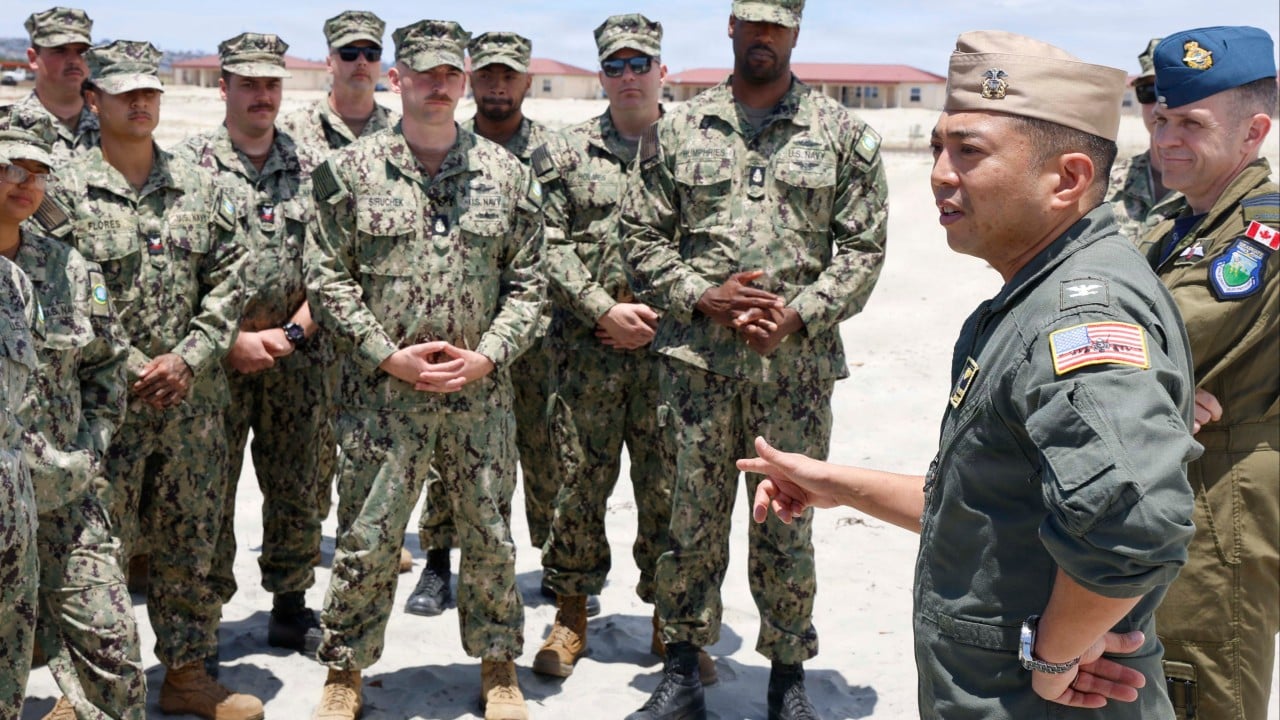
 2 sources
Morning Edition · Wednesday, June 17, 2026Published at 6:14 AM EDT · New York
US Navy Courts Southeast Asia as the PLA Tightens Internal Loyalty
Washington projects soft power across the Indo-Pacific while Beijing's military runs an unusual loyalty campaign at home.
The United States Navy has launched its largest annual humanitarian mission in the Indo-Pacific with a renewed focus on Southeast Asia, the South China Morning Post reported, in what analysts described as an effort to rebuild confidence and project soft power in a region central to its rivalry with China. The mission is a deliberate display of presence in waters where Washington and Beijing compete for influence.
Inside China's military, the focus is internal. The People's Liberation Army's (PLA) top anti-corruption officer, Zhang Shengmin, concluded an unusual training program for senior officers in Beijing by urging greater loyalty to the Communist Party and political rectification. The campaign points to continuing concern in the leadership about discipline within the officer corps.
Considered together, the two developments show a regional contest taking place in two areas. The United States is rebuilding relationships across Southeast Asia, while China manages internal pressures within the force intended to project its power abroad.
Veracity: Corroborated
80/100- If true, who benefits
Each capital's preferred story: Washington projecting reliability across Southeast Asia and Beijing presenting purges as proof of Xi Jinping's control.
- The nuance
The Pacific Partnership mission and the PLA loyalty campaign are both real but unrelated events, and joining them into a single "contest" is the analyst's framing, not a reported link.
An open-source-intelligence read of how likely this story is true with its real nuance, not a judgment of any outlet. It assesses the claim, weighing independent and adversarial reporting. How we label confidence.
What this means
The Indo-Pacific contest drives an arms race and shapes the security of the world's busiest shipping lanes. Internal loyalty campaigns within the PLA indicate how confident Beijing is about its own military, a factor that affects the likelihood of confrontation as much as weapons do.
What to watch
Synthesized from: South China Morning Post · South China Morning Post
Townsquare
Start a discussion in Townsquare.
More from this edition
- Warsh Holds His First Fed Meeting as Markets Sit Near Records
- US-Iran Truce Reopens Hormuz Talks and Sends Oil to a Three-Month Low
- Ukrainian Strikes on Refineries Push Russia Toward a Fuel Squeeze
- Drone Strike on a Children's Bus in Bryansk Kills a Chaperone
- Putin Hosts ASEAN as the G7 Vows to Keep Backing Ukraine
- SpaceX Passes Amazon to Become the Fifth Most Valuable Listed Company
- Europe Pushes for AI Sovereignty After a US Access Cutoff
- Starmer Calls Russian Warship's Channel Warning Shots Reckless
Comments
0No comments yet.