← The Global Intelligence Brief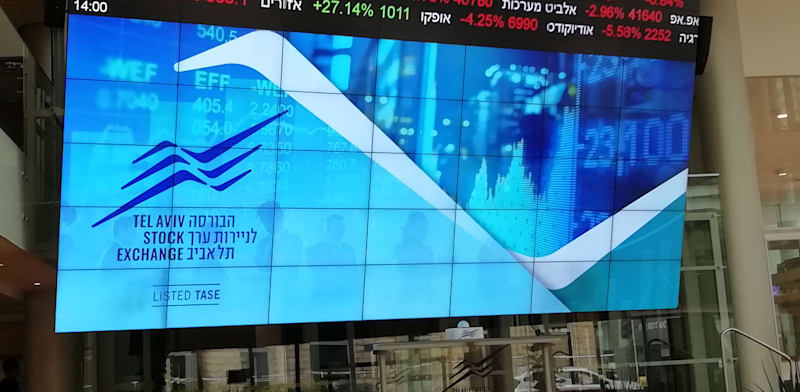
 1 source
Morning Edition · Wednesday, June 17, 2026UpdatedPublished at 5:01 PM EDT · New York
Warsh Holds His First Fed Meeting as Markets Sit Near Records
The new Federal Reserve chair held rates steady at his first meeting, and fresh projections show that half of the committee's officials now expect at least one rate increase this year.
Updated at 5:01 PM EDT
The Fed decision happened: the committee voted 12-0 to hold rates, and the new projections show nine of eighteen officials expecting a hike this year, with the median dot rising to 3.8 percent and Warsh announcing five review task forces.
Kevin Warsh, who took the oath on May 22 as the 17th chair of the Federal Reserve, delivered his first interest-rate decision on Wednesday afternoon in Washington. The committee voted 12 to 0 to leave the federal funds target range unchanged at 3.50 to 3.75 percent, citing inflation that has risen alongside higher energy prices tied to the war involving Iran. Money markets had put the probability of no change near 97 percent, so attention centered on the updated projections and on Warsh's first press conference.
What investors were studying is the gap between a market that expects rate cuts and a central bank that signaled it may instead raise them. The committee dropped its earlier preference for lowering rates, and nine of the eighteen officials who submitted forecasts now project the rate ending 2026 above its current range, with six of them penciling in two quarter-point increases. The median projection moved to 3.8 percent at year-end, up from 3.4 percent in March, while earlier estimates had put at least three voting members in favor of increases. Officials raised their forecast for the inflation gauge the Federal Reserve watches most closely (the PCE price index) to 3.6 percent by year-end, up from 2.7 percent in March, and lowered the projected unemployment rate to 4.3 percent. Warsh himself declined to submit a rate forecast. The committee also issued a noticeably shorter statement that removed forward guidance, and Warsh announced five task forces to review the Fed's monetary policy operations, communications, data sources, productivity and the labor market, and the causes of inflation. Before the meeting, the Israeli market service Globes reported that the Dow Jones Industrial Average set another closing record, that Tel Aviv's TA-35 index fell about 1 percent, and that large banks reduced their forecasts.
A sound-money analysis treats the tension as structural. Years of credit expansion left equity valuations near records even as the policy rate sits well above its levels in the 2010s, and Warsh has long argued for a smaller balance sheet and stricter control of inflation. Demand for hard assets points to the same concern. Gold trades around 4,336 dollars an ounce, below its January peak near 5,589 dollars but still high compared with earlier years, and the World Gold Council found that 45 percent of central banks plan to add to reserves over the next year.
What this means
A first meeting establishes a chair's priorities. If Warsh confirms a move away from rate cuts while equities sit near records, the resulting reassessment of risk could be the dominant influence on markets this summer. Continued central-bank gold buying suggests large official holders are already protecting themselves against a weaker dollar.
What to watch
- The post-meeting rate projections (the dot plot) and how many officials project increases
- Warsh's language on the balance sheet and inflation in his first press conference
- Whether gold holds above 4,000 dollars as real rates stay elevated
Observations to monitor, not financial advice.
Source: Globes
Townsquare
Start a discussion in Townsquare.
More from this edition
- US-Iran Truce Reopens Hormuz Talks and Sends Oil to a Three-Month Low
- Ukrainian Strikes on Refineries Push Russia Toward a Fuel Squeeze
- Drone Strike on a Children's Bus in Bryansk Kills a Chaperone
- Putin Hosts ASEAN as the G7 Vows to Keep Backing Ukraine
- SpaceX Passes Amazon to Become the Fifth Most Valuable Listed Company
- Europe Pushes for AI Sovereignty After a US Access Cutoff
- Starmer Calls Russian Warship's Channel Warning Shots Reckless
- Fujimori Nears a Narrow Win in Peru as the Left Calls Protests
Comments
0No comments yet.