← The Global Intelligence Brief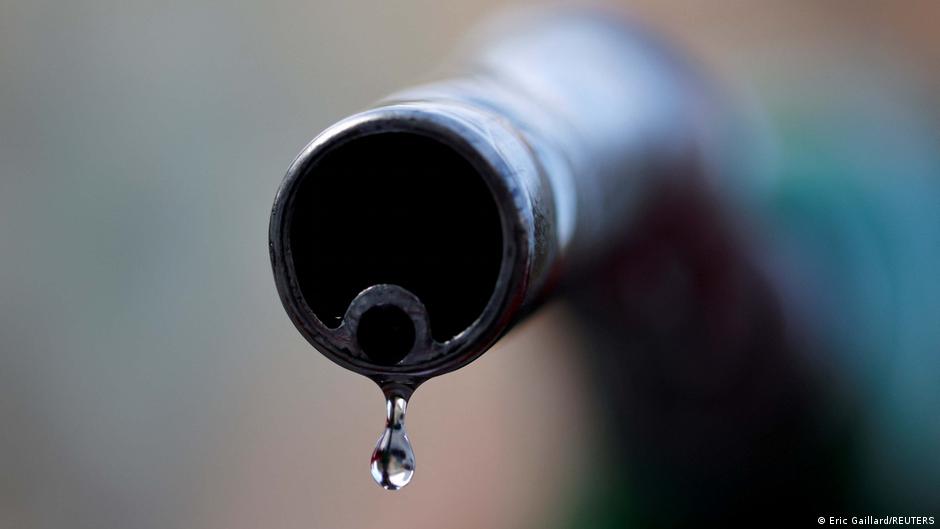

 2 sources
Morning Edition · Wednesday, June 17, 2026Published at 6:14 AM EDT · New York
Ukrainian Strikes on Refineries Push Russia Toward a Fuel Squeeze
Falling refining output and seasonal demand are forcing fuel rationing at gas stations even as Moscow minimizes the problem.
Russia's fuel production is falling after a sustained Ukrainian campaign of drone strikes on refineries, and analysts cited by Deutsche Welle warn that seasonal increases in gasoline and diesel demand could push the system into a deeper shortage. The strikes target the export revenue that funds Russia's war, and the effect inside the country is now visible at gas stations.
The pressure is appearing as rationing. The Russian outlet RBC reported that Tatneft removed its caps on AI-92 gasoline and diesel at its stations after imposing them on June 16, while keeping a 30-liter limit on higher-grade AI-95. Temporary limits and their reversal at individual networks indicate supply that is tight rather than collapsing.
The episode is part of a campaign that pressures Russian oil income, while Russia strikes back against Ukraine's power grid. For a war economy already managing high interest rates and inflation, physical shortages of refined fuel are harder to conceal than financial pressure, because they affect households and freight transport directly.
Veracity: Corroborated
85/100- If true, who benefits
Ukraine and its Western backers, who present the refinery campaign as degrading the export revenue that funds Russia's war.
- The nuance
Rationing points to supply that is tight rather than collapsing, and Russian governors and the Energy Ministry minimize it as "temporary complications."
An open-source-intelligence read of how likely this story is true with its real nuance, not a judgment of any outlet. It assesses the claim, weighing independent and adversarial reporting. How we label confidence.
What this means
Domestic fuel shortages are a more serious problem than sanctions, because they constrain the real economy and add to inflation that the central bank cannot solve with interest rates. Sustained refinery damage could force Russia to divert crude from export to domestic use, with consequences for both its budget and global supply.
What to watch
- The frequency and reach of Ukrainian strikes on refining capacity
Synthesized from: Deutsche Welle · RBC
Townsquare
Start a discussion in Townsquare.
More from this edition
- Warsh Holds His First Fed Meeting as Markets Sit Near Records
- US-Iran Truce Reopens Hormuz Talks and Sends Oil to a Three-Month Low
- Drone Strike on a Children's Bus in Bryansk Kills a Chaperone
- Putin Hosts ASEAN as the G7 Vows to Keep Backing Ukraine
- SpaceX Passes Amazon to Become the Fifth Most Valuable Listed Company
- Europe Pushes for AI Sovereignty After a US Access Cutoff
- Starmer Calls Russian Warship's Channel Warning Shots Reckless
- Fujimori Nears a Narrow Win in Peru as the Left Calls Protests
Comments
0No comments yet.