← The Global Intelligence Brief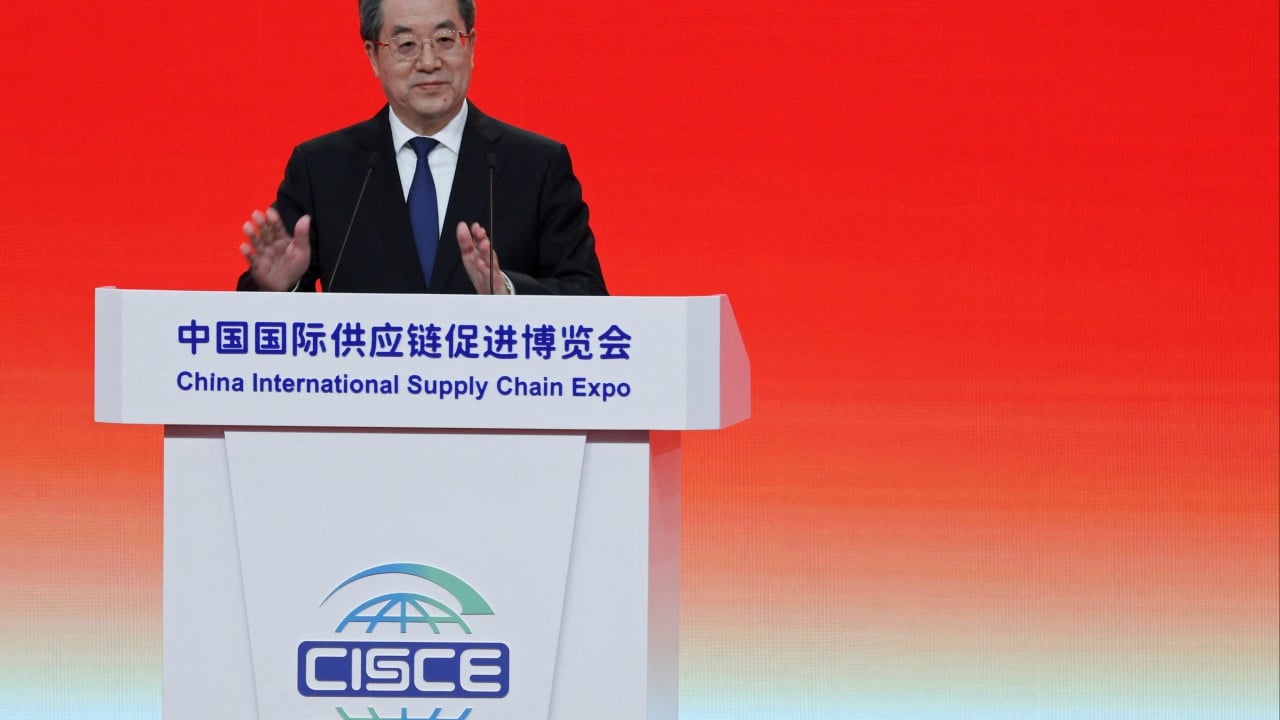

 2 sources
Morning Edition · Monday, June 22, 2026Published at 6:14 AM EDT · New York
China Rejects Trade Criticism as Germany Pushes for Global Talks on the Yuan
Beijing denied seeking a surplus after Chancellor Friedrich Merz called the Chinese currency sharply undervalued and urged coordinated international action.
China pushed back on Monday against mounting Western criticism of its trade practices, with Vice-Premier Ding Xuexiang declaring that "China never actively pursues a trade surplus," the South China Morning Post reported. The response followed German Chancellor Friedrich Merz becoming the latest leader to complain about surging trade imbalances.
Merz went further than most, calling for international talks on exchange rates and describing the yuan as undervalued by about 30 percent, well above the International Monetary Fund's estimate of roughly 16 percent and Goldman Sachs's figure of about 25 percent. He accused Beijing of oversupplying markets through subsidies and an unconvertible currency, and he referred to past coordinated currency agreements.
The dispute lands as Europe's internal politics shift. Pew polling shows Europeans hold more favorable views of the European Union than during the Brexit period, even as some eurosceptic parties poll strongly, giving Brussels political room to harden its line on China.
Veracity: Plausible
74/100- If true, who benefits
European exporters and Merz's domestic standing gain from pressure to revalue the yuan, while Beijing gains by casting itself as the defender of currency stability.
- The nuance
The 30 percent undervaluation is Merz's political figure, nearly double the International Monetary Fund's roughly 16 percent estimate, and China's blanket denial of pursuing a surplus omits its managed, unconvertible currency regime.
An open-source-intelligence read of how likely this story is true with its real nuance, not a judgment of any outlet. It assesses the claim, weighing independent and adversarial reporting. How we label confidence.
What this means
A Western push to revalue the yuan through coordinated talks would mark a move away from purely market-set exchange rates toward managed realignment, a politicized approach to currencies. From a sound-money view, both China's managed, unconvertible yuan and the Western response illustrate how far the global monetary system has drifted from neutral money, with trade frictions now spilling directly into currency policy.
What to watch
Synthesized from: South China Morning Post · Euronews
Townsquare
Start a discussion in Townsquare.
More from this edition
- Iran Declares Strait of Hormuz Closed and US-Iran Truce Breached After Israeli Strikes Kill at Least 16 in Lebanon
- Starmer Resigns, Making Way for Burnham as Britain Faces Its Seventh Leader in a Decade
- Gold Climbs Toward Recent Highs as Hard-Money Demand Holds
- Bridge Hack Halts Taiko Network as Bitcoin Trades Near Multi-Month Lows
- Ukraine's Long-Range Strikes Trigger Missile Alerts Across Russian Regions
- Trump-Backed Newcomer Narrowly Wins Colombia, Marking a Sharp Right Turn
- Lebanon Truce Mechanism Takes Shape Without Israel, With Iran a Partner
- Strains Mount in Russia's War Economy as Developer Stock Sinks and Crimea Loses Power
Comments
0No comments yet.