← The Global Intelligence Brief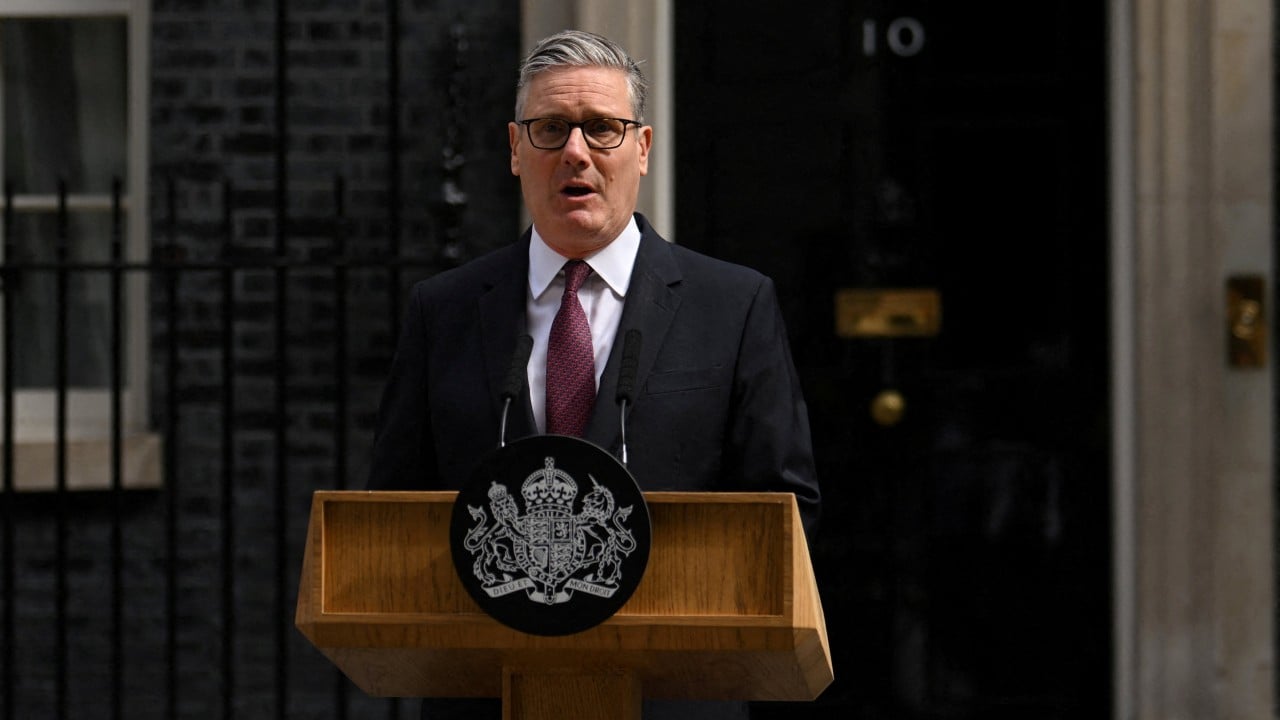


 3 sources
Morning Edition · Monday, June 22, 2026Published at 6:14 AM EDT · New York
Starmer Resigns, Making Way for Burnham as Britain Faces Its Seventh Leader in a Decade
Keir Starmer stepped down as prime minister under party pressure less than two years into the job, with the pound softer and gilt markets watchful.
Keir Starmer announced his resignation as British prime minister and leader of the Labour Party on Monday, less than two years after a decisive election victory, the South China Morning Post reported. He will stay as caretaker while Labour elects a successor, with nominations opening in July and a new leader expected by September.
The Financial Times described a premiership undone by caution and the absence of a clear plan, with Labour in what it called a last-chance position after battles over fiscal policy between Starmer and Finance Minister Rachel Reeves, welfare reforms, and the fallout from the Mandelson ambassadorship. The clear favorite to succeed him is Andy Burnham, the former mayor of Greater Manchester, who won a parliamentary seat in a June 18 special election.
International coverage focused on continuity and foreign policy. Israeli outlet Ynet profiled Burnham as a figure whose stance toward Israel has shifted, from past support and condemnation of the boycott movement to a call for a ceasefire weeks after October 7 and recent concern over the scale of destruction in Gaza. Russia's foreign ministry, by contrast, mocked the departure. Analysts cited by global market services said the pound weakened to about 1.319 dollars and that traders watched gilts more closely than sterling, expecting broad fiscal continuity under Burnham's economic team.
Veracity: Corroborated
91/100- If true, who benefits
Andy Burnham and the Labour faction that pressed for the change gain power, while sterling skeptics gain a fresh reason to price UK political-risk.
- The nuance
The resignation is confirmed across many independent outlets, but the claim of seamless fiscal continuity under Burnham is a forecast, not an established fact.
An open-source-intelligence read of how likely this story is true with its real nuance, not a judgment of any outlet. It assesses the claim, weighing independent and adversarial reporting. How we label confidence.
What this means
Britain's repeated leadership turnover, seven prime ministers in ten years, is itself a risk factor that lenders price into UK government debt. Markets reacted calmly because Burnham is expected to continue the current fiscal direction, but the underlying instability raises the cost of any future credibility shock and complicates long-term investment in the United Kingdom.
What to watch
Synthesized from: South China Morning Post · Financial Times · Ynet (Hebrew)
Townsquare
Start a discussion in Townsquare.
More from this edition
- Iran Declares Strait of Hormuz Closed and US-Iran Truce Breached After Israeli Strikes Kill at Least 16 in Lebanon
- Gold Climbs Toward Recent Highs as Hard-Money Demand Holds
- Bridge Hack Halts Taiko Network as Bitcoin Trades Near Multi-Month Lows
- Ukraine's Long-Range Strikes Trigger Missile Alerts Across Russian Regions
- Trump-Backed Newcomer Narrowly Wins Colombia, Marking a Sharp Right Turn
- China Rejects Trade Criticism as Germany Pushes for Global Talks on the Yuan
- Lebanon Truce Mechanism Takes Shape Without Israel, With Iran a Partner
- Strains Mount in Russia's War Economy as Developer Stock Sinks and Crimea Loses Power
Comments
0No comments yet.