← The Global Intelligence Brief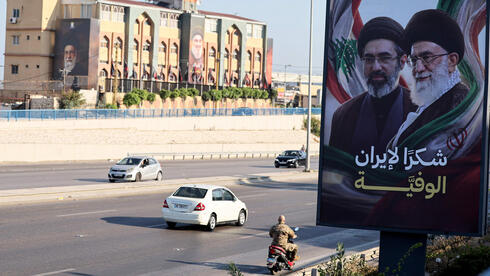

 2 sources
Morning Edition · Monday, June 22, 2026Published at 6:14 AM EDT · New York
Lebanon Truce Mechanism Takes Shape Without Israel, With Iran a Partner
Mediators describe a new committee to prevent military friction in Lebanon that excludes Israel and includes Tehran, which is claiming a role in the country's security.
A new arrangement to manage the fragile ceasefire in Lebanon is forming, and Israeli outlets report that it leaves Israel out. According to mediators, a "mechanism to prevent friction in Lebanon" is being established. Unlike the November 2024 oversight body composed of Lebanon, the United States, Israel, and France, this one includes Iran instead of Israel.
Tehran is publicly claiming a stake. Iranian officials boasted that "we are part of the security story in Lebanon," a shift Israeli commentators described as Israel being sidelined from a structure it once used to flag Hezbollah weapons positions. Israel's military chief warned that any withdrawal from agreed lines could invite renewed fighting.
The Lebanon mechanism is tied to the broader US-Iran negotiations in Switzerland, where mediators reported a constructive first round. The arrangement reflects a regional order in which Iran is treated as a stakeholder in arrangements once dominated by Western and Israeli actors, a sensitive change given how often the underlying ceasefire has broken down.
Veracity: Plausible
72/100- If true, who benefits
Tehran gains recognition as a security stakeholder in Lebanon, and Israeli commentators gain a narrative of being sidelined to justify unilateral action.
- The nuance
Israel is not absent from the picture, it is running a separate parallel negotiating track with Lebanon, so the "exclusion" framing comes largely from Israeli outlets reading the US-Iran de-confliction cell.
An open-source-intelligence read of how likely this story is true with its real nuance, not a judgment of any outlet. It assesses the claim, weighing independent and adversarial reporting. How we label confidence.
What this means
Including Iran in a Lebanon security framework while excluding Israel signals a shift in the regional balance that markets read through energy and stability risk. If the mechanism holds, it lowers the chance that Lebanon becomes the trigger for a wider war that would threaten Gulf supply, but Israeli warnings show how easily it could collapse and reintroduce that risk.
What to watch
Synthesized from: Ynet (Hebrew) · Globes (Hebrew)
Townsquare
Start a discussion in Townsquare.
More from this edition
- Iran Declares Strait of Hormuz Closed and US-Iran Truce Breached After Israeli Strikes Kill at Least 16 in Lebanon
- Starmer Resigns, Making Way for Burnham as Britain Faces Its Seventh Leader in a Decade
- Gold Climbs Toward Recent Highs as Hard-Money Demand Holds
- Bridge Hack Halts Taiko Network as Bitcoin Trades Near Multi-Month Lows
- Ukraine's Long-Range Strikes Trigger Missile Alerts Across Russian Regions
- Trump-Backed Newcomer Narrowly Wins Colombia, Marking a Sharp Right Turn
- China Rejects Trade Criticism as Germany Pushes for Global Talks on the Yuan
- Strains Mount in Russia's War Economy as Developer Stock Sinks and Crimea Loses Power
Comments
0No comments yet.