← The Global Intelligence Brief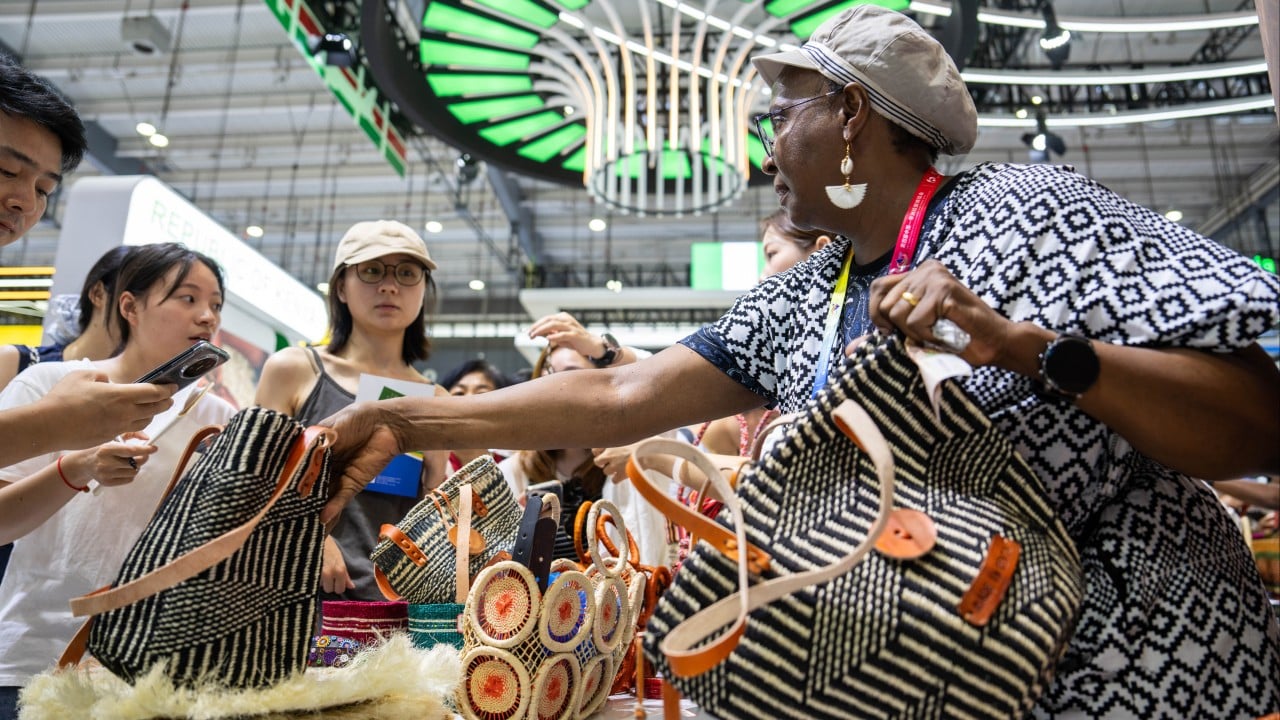

 2 sources
Morning Edition · Sunday, June 28, 2026Published at 6:12 AM EDT · New York
China Removes Tariffs on 53 African Countries as It Courts the Continent
Beijing positions itself as a reliable trade partner for African growth even as Western engagement narrows.
China has removed tariffs on imports from 53 African countries, and exporters across the continent are beginning to reorient toward the Chinese market, the South China Morning Post reported. The commentary pointed to scenes such as Kenyan avocados being packed for shipment to China as evidence of a deepening commercial relationship that Beijing presents as a partnership for African growth.
The move fits a wider pattern of competition for influence across the Global South. India is pursuing the same goal by a different route. Prime Minister Narendra Modi, on a visit to Seychelles, said India's vision is to make the Indian Ocean "an ocean of opportunity," and held talks aimed at deepening defense and economic ties, The Hindu reported.
For African and Indian Ocean states, the competing offers expand their options. Duty-free access to the world's second-largest economy is a concrete benefit, and it arrives as the terms of trade with Western partners grow more conditional. The contest is less about ideology than about which large power offers the better terms.
From a sound-money perspective, the significance is structural. Trade arrangements built around Beijing and other non-Western centers gradually route more commerce outside the dollar-centered system, building the institutional habits of a more multipolar order.
Veracity: Corroborated
88/100- If true, who benefits
Beijing's soft-power claim to be the Global South's reliable partner, and Chinese importers gaining cheaper African commodities and farm goods.
- The nuance
The duty-free access is real and took effect May 1, 2026, but Africa's trade deficit with China widened to about $102 billion in 2025, and Eswatini is excluded over its recognition of Taiwan, complicating the partnership framing.
An open-source-intelligence read of how likely this story is true with its real nuance, not a judgment of any outlet. It assesses the claim, weighing independent and adversarial reporting. How we label confidence.
What this means
Tariff-free access for dozens of African economies binds the continent's exporters more tightly to Chinese demand and, over time, to settlement and financing arrangements that do not run through Western institutions. Each such agreement is a small step toward a trading world with more than one center.
What to watch
Synthesized from: South China Morning Post · The Hindu
Townsquare
Start a discussion in Townsquare.
More from this edition
- Oil Risk Returns to the Strait of Hormuz as US-Iran Strikes Enter a Fourth Day
- Iran Strikes Gulf Tanker and US Bases in Bahrain and Kuwait, Drawing American Retaliation
- BIS Warns AI Spending Boom Could End in a Prolonged Investment Bust
- Ukraine Strikes Two More Russian Oil Refineries as Energy War Continues
- Kazakhstan Courts Washington With Tungsten Deal, Calling Trump 'Sent by Heaven'
- Venezuela's Quake Toll Climbs With Tens of Thousands Still Missing
- Indonesia Plans to Cut State Companies From About 1,000 to 250
- Spain Adds Russia to Its Tax-Haven List and Drops Gibraltar After 35 Years
Comments
0No comments yet.