← The Global Intelligence Brief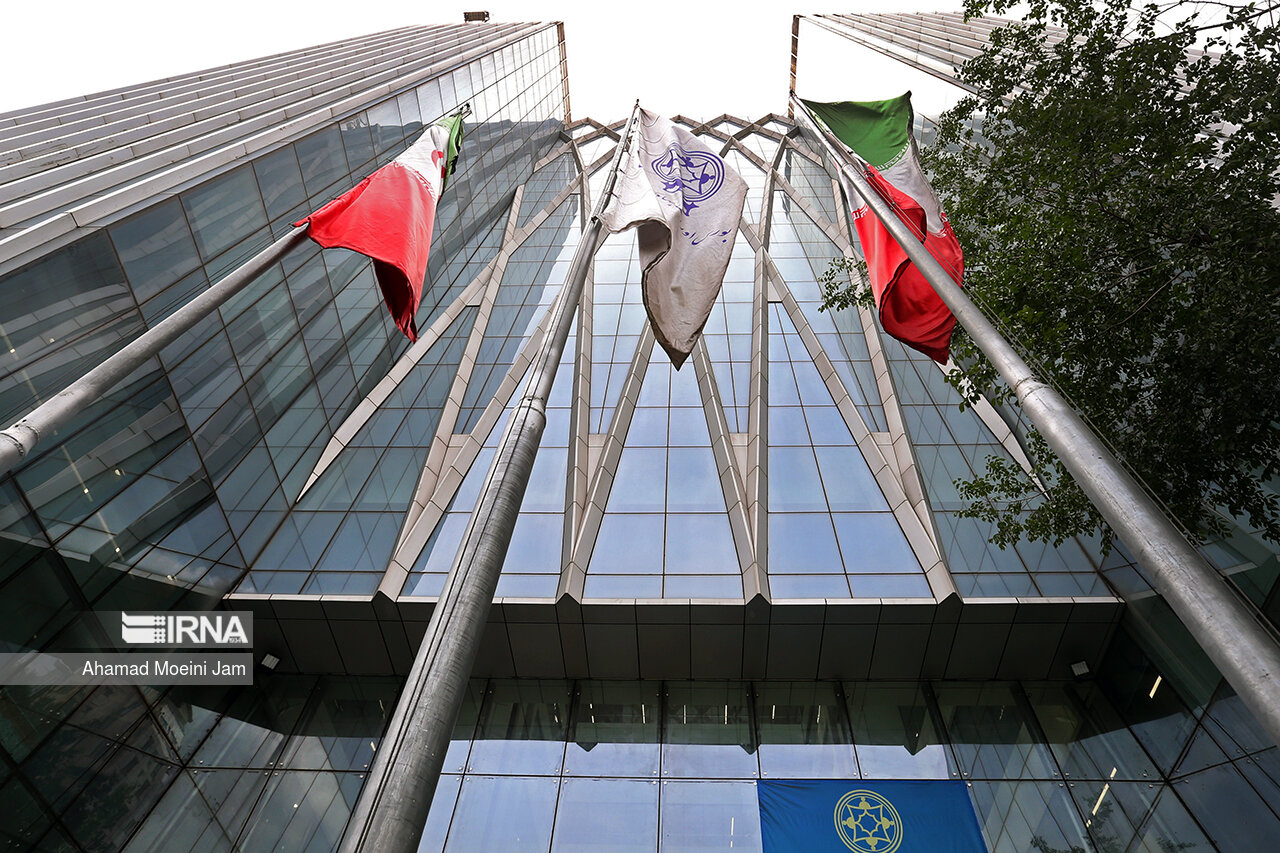
Morning Edition · Sunday, June 28, 2026Published at 6:12 AM EDT · New York
Tehran's Stock Market Falls as Investors Shift Toward Gold
Iran's main share index dropped about 2 percent while gold funds rose, a domestic example of how war changes household savings.
The main index of the Tehran Stock Exchange fell about 2 percent, dropping roughly 100,000 points to around 5,075,000, while funds tracking gold rose about 3 percent, Iran's state news agency IRNA reported. The divergence shows how Iranian households are responding to conflict and uncertainty, moving from equities toward a hard asset.
The political context is one of pressure on prices and livelihoods. In a meeting with the president, the senior cleric Ayatollah Naser Makarem Shirazi stressed the need to control the market, monitor prices, and address the economic hardships facing ordinary people, especially the young, IRNA also reported. His remarks point to official concern about inflation and supply at a moment of war.
The pattern is familiar in economies under stress. When the value of the national currency and the stability of financial markets are in doubt, savers turn to gold, which carries no counterparty and holds value independent of any government's promises. Iran's domestic market is largely separated from the global system, but the behavior it shows, a move from paper claims to a monetary metal, is the same impulse that drives demand for hard assets everywhere in times of crisis.
What this means
Iran's market is a contained example of a broad truth, that in conflict and currency stress, households trust gold over domestic financial assets. The same logic supports global demand for hard money whenever confidence in currencies or central banks weakens, and it is visible here in real time.
What to watch
- The Iranian rial's exchange rate against the dollar in informal markets, a faster gauge of stress than the equity index.
- Whether the move into gold funds continues in coming sessions, which would show the shift is a durable change in savings behavior rather than a single-day reaction.
Observations to monitor, not financial advice.
Townsquare
Start a discussion in Townsquare.
More from this edition
- Oil Risk Returns to the Strait of Hormuz as US-Iran Strikes Enter a Fourth Day
- Iran Strikes Gulf Tanker and US Bases in Bahrain and Kuwait, Drawing American Retaliation
- BIS Warns AI Spending Boom Could End in a Prolonged Investment Bust
- Ukraine Strikes Two More Russian Oil Refineries as Energy War Continues
- Kazakhstan Courts Washington With Tungsten Deal, Calling Trump 'Sent by Heaven'
- China Removes Tariffs on 53 African Countries as It Courts the Continent
- Venezuela's Quake Toll Climbs With Tens of Thousands Still Missing
- Indonesia Plans to Cut State Companies From About 1,000 to 250
Comments
0No comments yet.