← The Global Intelligence Brief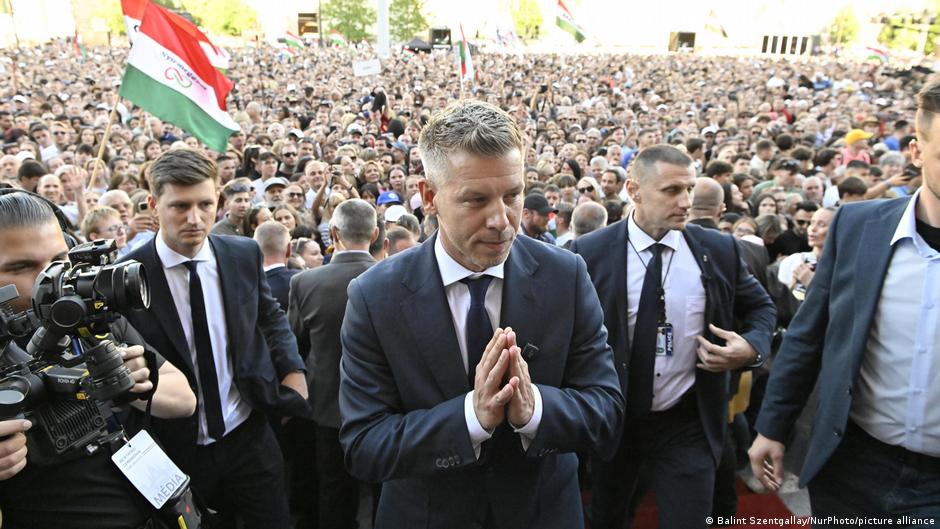
 1 source
Morning Edition · Sunday, June 28, 2026Published at 6:12 AM EDT · New York
Hungary's New Government Moves to Dismantle the Orban System
An anti-corruption drive targets the media and state institutions built under the former prime minister.
Hungary's new government is moving quickly to dismantle the system built by former Prime Minister Viktor Orban, Deutsche Welle reported. The effort, which the report described as focused on fighting corruption, reforming the media, and restoring democratic checks, marks a significant change in the politics of a country that spent years at odds with the European Union (EU).
The shift has economic significance beyond Hungary's borders. Under Orban, Budapest repeatedly blocked or delayed EU decisions on Ukraine, energy, and the bloc's budget, and tens of billions of euros in EU funds were frozen over rule-of-law disputes. A government that pursues anti-corruption reform and rebuilds independent institutions could release those funds and remove a persistent obstacle inside the bloc.
The reform drive is also a domestic contest over power, and its outcome is not assured. Dismantling an entrenched system of patronage and media control invites resistance, and the new government's ability to deliver lasting change rather than simply replacing one set of loyalists with another remains to be tested.
Veracity: Corroborated
79/100- If true, who benefits
The new Tisza government consolidating authority, EU institutions seeking a more cooperative member, and investors anticipating the release of frozen EU funds.
- The nuance
"Operation Purgatory" is the government's own anti-corruption label, and critics warn the new constitution and super-agency themselves concentrate power and enable political retaliation, the part the reform framing omits.
An open-source-intelligence read of how likely this story is true with its real nuance, not a judgment of any outlet. It assesses the claim, weighing independent and adversarial reporting. How we label confidence.
What this means
Hungary has been one of the European Union's most reliable internal obstacles, and a change in Budapest's posture could ease decisions on Ukraine aid, energy policy, and the bloc's budget. For investors, the prospect of frozen EU funds being released and of a more predictable member state is a tangible shift.
What to watch
Source: Deutsche Welle
Townsquare
Start a discussion in Townsquare.
More from this edition
- Oil Risk Returns to the Strait of Hormuz as US-Iran Strikes Enter a Fourth Day
- Iran Strikes Gulf Tanker and US Bases in Bahrain and Kuwait, Drawing American Retaliation
- BIS Warns AI Spending Boom Could End in a Prolonged Investment Bust
- Ukraine Strikes Two More Russian Oil Refineries as Energy War Continues
- Kazakhstan Courts Washington With Tungsten Deal, Calling Trump 'Sent by Heaven'
- China Removes Tariffs on 53 African Countries as It Courts the Continent
- Venezuela's Quake Toll Climbs With Tens of Thousands Still Missing
- Indonesia Plans to Cut State Companies From About 1,000 to 250
Comments
0No comments yet.