← The Global Intelligence Brief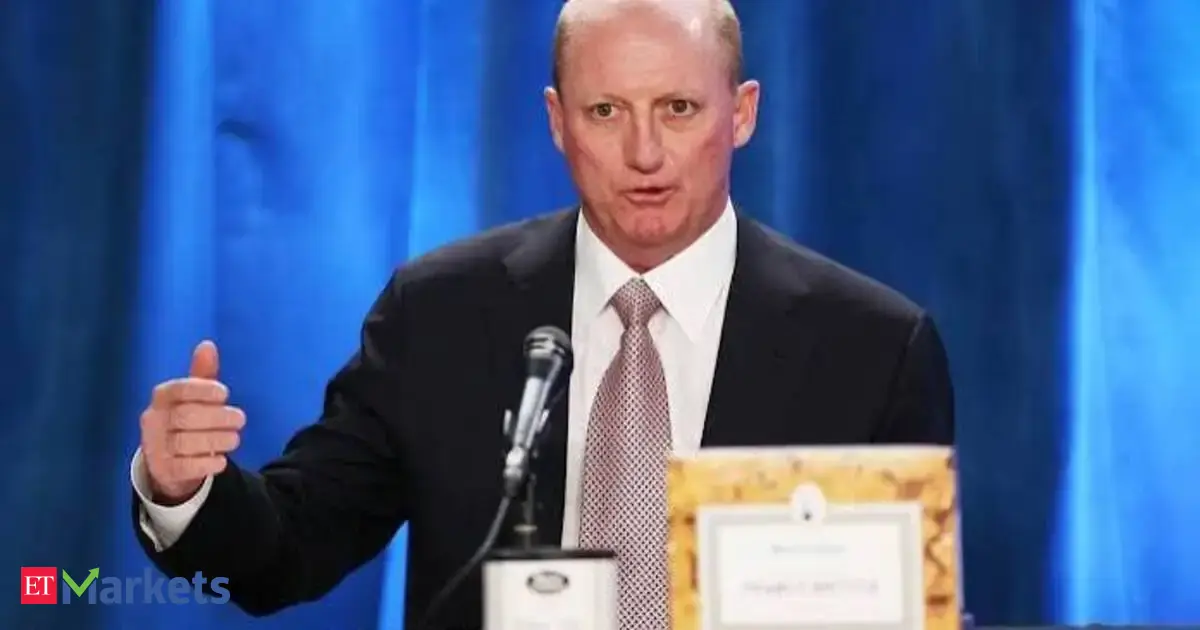
 1 source
Morning Edition · Saturday, July 11, 2026Published at 1:15 AM EDT · New York
Berkshire Puts Cash to Work in Alphabet as Abel Sets His Own Course
Chief Executive Greg Abel has begun deploying a cash pile of nearly 400 billion dollars, with Google's parent at the center of the shift from the Apple investment that defined the Warren Buffett era.
Since taking over as chief executive of Berkshire Hathaway in January, Greg Abel has started deploying the company's cash reserves of nearly 400 billion dollars, and the Economic Times reported that Alphabet, the parent of Google, sits at the center of that strategy. The move invites comparison to the large position in Apple that his predecessor, Warren Buffett, developed into one of Berkshire's most profitable holdings.
The choice is a statement about how a value-oriented investor now views the technology giants. Buffett long treated most technology companies as too unpredictable to own, before making an exception for Apple on the grounds that it functioned as a consumer franchise with durable pricing power. An Alphabet position extends that logic to a company whose search and advertising business generates large, steady cash flows, and whose spending on artificial intelligence is now a central question for investors.
The bet also reflects where Berkshire's enormous cash balance can go. Deploying a sum near 400 billion dollars requires targets large and liquid enough to absorb it, which narrows the field to the biggest companies. That constraint is itself a feature of a market in which value and capital keep concentrating in a handful of mega-cap technology firms.
What this means
When even a value investor holding nearly 400 billion dollars finds few places large enough to deploy it besides the biggest technology firms, it shows how concentrated market value and liquidity have become at the top. Alphabet and its mega-cap peers gain from that concentration, while the breadth of the market narrows and index returns depend ever more on a few companies. Whether the investment succeeds depends on whether Alphabet's heavy artificial-intelligence spending produces returns, or reduces the cash flows that justify the position.
What to watch
- Alphabet's capital spending on artificial intelligence relative to its cash generation, the core of the investment case.
- Further disclosures of how Abel deploys Berkshire's cash, which will define his strategy against Buffett's record.
Observations to monitor, not financial advice.
Source: Economic Times
Townsquare
Start a discussion in Townsquare.
More from this edition
- Russia Bans Diesel Exports Through July 31, Straining Global Fuel Supply
- Trump Declares United States-Iran Ceasefire Over After Tanker Strikes in Hormuz
- Bitcoin Trades Near 64,000 Dollars as Analysts Debate a Path to 300,000
- Reformist Fed Chair, Weak Yen and Earnings Season Set Up a Volatile Summer
- Indian Equity Funds Draw 26 Percent More Cash in June as Monthly Plan Contributions Rise
- China's Automation Drive Leaves Factory Workers Behind in Manufacturing Hubs
- India and New Zealand Elevate Ties to Strategic Partnership, Target Larger Trade by 2030
- Typhoon Bavi Kills at Least 15 in the Philippines, Forces Mass Evacuations Across Asia
Comments
0No comments yet.