← The Global Intelligence Brief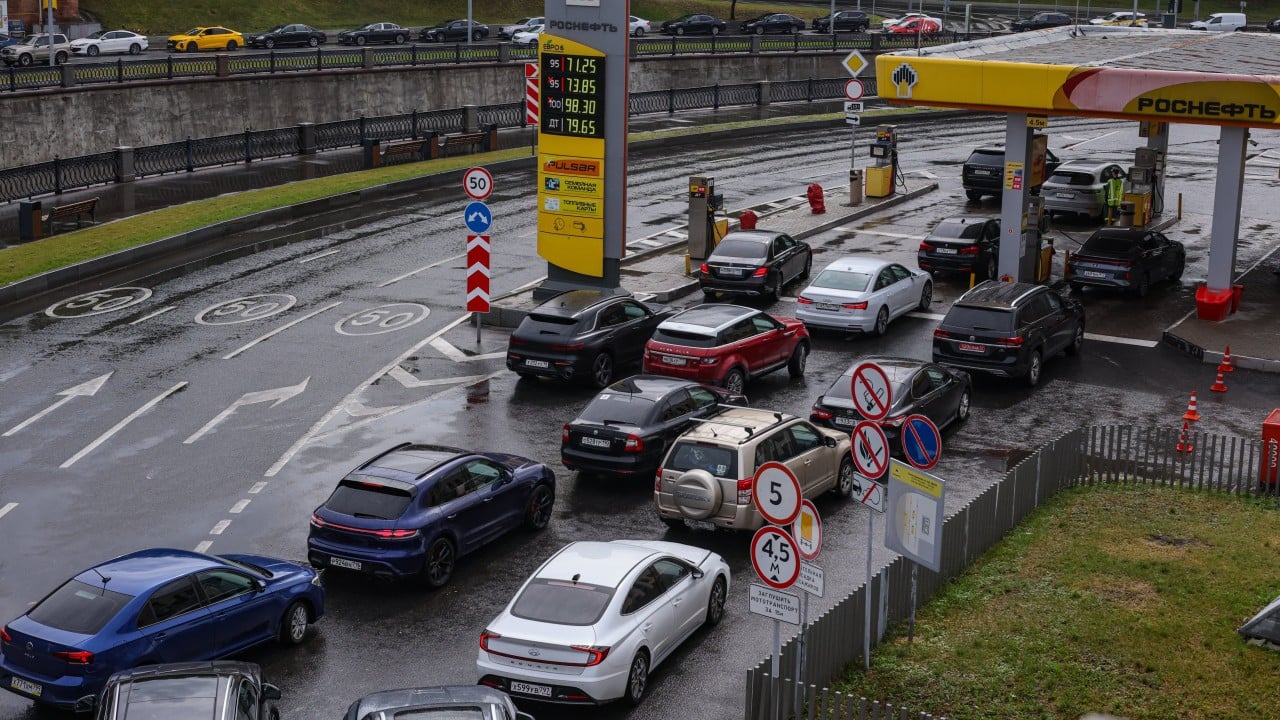


 3 sources
Morning Edition · Saturday, July 11, 2026Published at 1:15 AM EDT · New York
Russia Bans Diesel Exports Through July 31, Straining Global Fuel Supply
European diesel refining margins jumped to about 60 dollars a barrel and global diesel prices rose roughly 13 percent midweek after Ukrainian strikes cut more than 30 percent of Russian refining capacity.
Russia has halted all diesel exports until July 31, a decision Deputy Prime Minister Alexander Novak announced alongside President Vladimir Putin and framed as a move to protect domestic supply. The immediate cause is a sustained Ukrainian campaign against Russian refineries. Ukrainian drones have now struck more than 16 major refineries and fuel terminals, and by several estimates have knocked out over 30 percent of the country's refining capacity, including repeated hits on Gazprom Neft's Omsk plant, one of Russia's largest.
The effect on prices was immediate. Global diesel prices rose roughly 13 percent midweek and European diesel refining margins reached about 60 dollars a barrel, a level that industry data providers described as the highest in years. Russia is the world's second-largest diesel exporter after the United States and supplied around 11 percent of global production last year, so the withdrawal of those barrels tightens a market that was already thin.
The South China Morning Post reported that prices rose even in countries that no longer buy Russian fuel, because diesel is a globally traded, fungible product and a shortfall in one region reprices the whole market. CNN and Bloomberg noted that Turkey, Brazil, parts of Africa and Middle Eastern buyers had absorbed Russian diesel after Europe's own 2023 embargo, and those buyers now face the sharpest near-term squeeze.
Diesel is the fuel of freight, farming and heavy industry, so a rise in its price passes into transport and food costs rather than staying contained in energy markets. The ban also contradicts the recent expectation that easing Middle East risk would lower energy costs. Two supply shocks, the Russian ban and renewed disruption near the Strait of Hormuz, are now raising energy costs at the same time.
Part of a tracked trend
Ukraine's Deep Strikes on Russian Energy and Logistics
Ukraine sustains a campaign against Russian refineries and supply lines over the next 3-6 months, pressuring Moscow's oil revenue while Russia retaliates against Ukraine's grid.
Veracity: Corroborated
87/100- If true, who benefits
Non-Russian refiners with spare capacity in the United States Gulf, the Middle East and Asia capture wider diesel margins, and energy traders positioned long benefit from the tightening.
- The nuance
Independent reporting confirms the ban and the strikes, but the capacity-loss figure is an external estimate that ranges from "more than 30 percent" to as high as 42.7 percent, and Moscow's "protect domestic supply" framing coexists with a real gasoline shortfall it is now covering with imports.
An open-source-intelligence read of how likely this story is true with its real nuance, not a judgment of any outlet. It assesses the claim, weighing independent and adversarial reporting. How we label confidence.
What this means
Diesel is an input to nearly every physical supply chain, so a supply cut here passes into freight rates, agricultural costs and core goods inflation rather than staying within the energy sector. Refiners with spare capacity outside Russia gain wider margins, while diesel-dependent importers in the emerging world, along with trucking, shipping and farming, absorb the cost. For central banks the timing complicates any plan to ease, because a fuel-driven price rise is a supply shock they cannot fix with rate cuts. In Austrian terms, the disruption reveals how thin real productive slack had become after years of underinvestment in refining.
Synthesized from: South China Morning Post · CNN Business · Bloomberg
Townsquare
Start a discussion in Townsquare.
More from this edition
- Trump Declares United States-Iran Ceasefire Over After Tanker Strikes in Hormuz
- Bitcoin Trades Near 64,000 Dollars as Analysts Debate a Path to 300,000
- Reformist Fed Chair, Weak Yen and Earnings Season Set Up a Volatile Summer
- Indian Equity Funds Draw 26 Percent More Cash in June as Monthly Plan Contributions Rise
- China's Automation Drive Leaves Factory Workers Behind in Manufacturing Hubs
- India and New Zealand Elevate Ties to Strategic Partnership, Target Larger Trade by 2030
- Typhoon Bavi Kills at Least 15 in the Philippines, Forces Mass Evacuations Across Asia
- IEA Chief Calls Europe's Slow Electrification a 'Major Mistake'
Comments
0No comments yet.