← The Global Intelligence Brief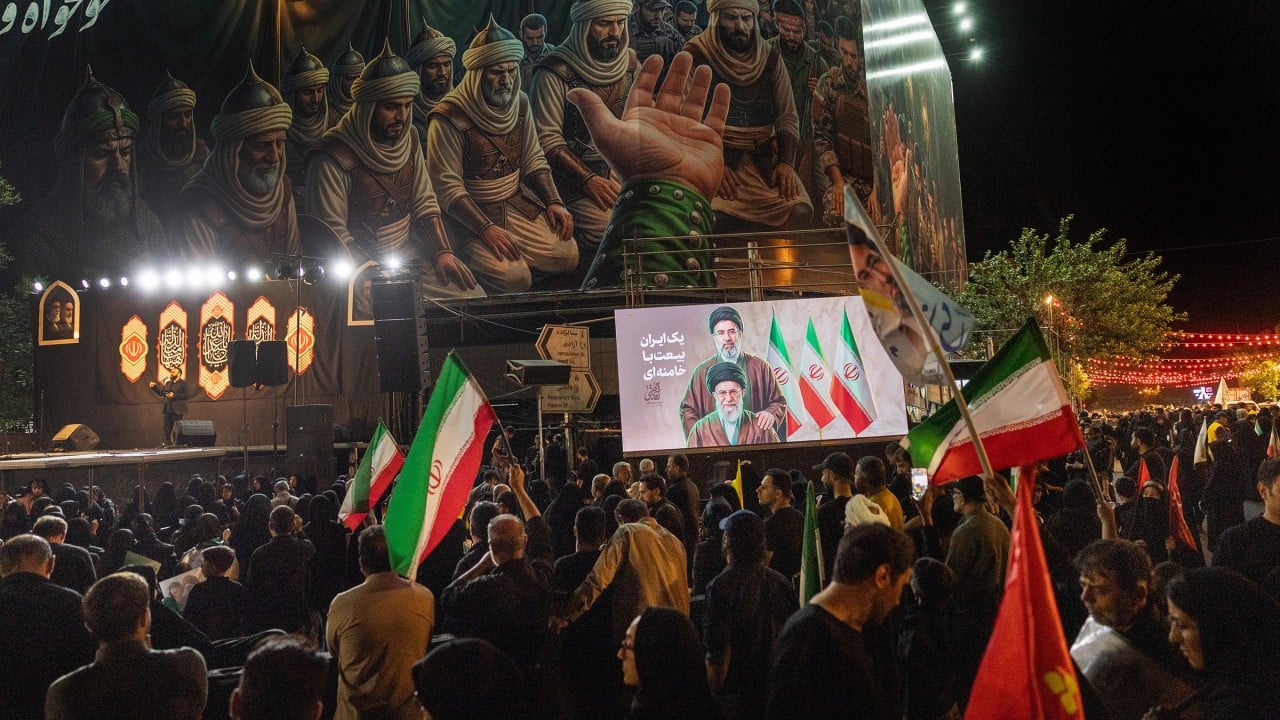


 4 sources
Morning Edition · Saturday, July 11, 2026Published at 1:15 AM EDT · New York
Trump Declares United States-Iran Ceasefire Over After Tanker Strikes in Hormuz
Iran says it "kept its word" and blames an errant faction for missile attacks on two tankers, while mediators from Qatar work to revive talks and Brent crude holds near 76 dollars.
President Donald Trump said the memorandum of understanding that had paused fighting between the United States and Iran was "over," while insisting negotiations would go on. The statement followed missile strikes near the Strait of Hormuz that damaged a Qatari liquefied natural gas tanker and a Saudi supertanker, an escalation that came during a week Trump said he had set aside for the funeral of Iran's supreme leader, Ayatollah Ali Khamenei, who was killed in earlier United States and Israeli strikes and buried in Mashhad.
The accounts diverge sharply by source. The Japan Times reported that Tehran insists it "kept its word" on the ceasefire, and Iranian officials privately told American counterparts that the tanker attacks came from an "errant" hardline faction trying to collapse the talks rather than from state command. On the Israeli side, Ynet reported that Trump wrote that 1,000 missiles were "locked and loaded and aimed" at Iran, with thousands more to follow, an order he said would be triggered if Tehran attempted to assassinate him after open calls for his killing at the funeral.
Deutsche Welle reported that Washington's specific demand is a public Iranian pledge to stop attacks on shipping in the strait, through which roughly a fifth of the world's oil and gas passes. According to the South China Morning Post, a Qatari mediation delegation was in Tehran working to keep the interim deal alive even as both sides traded strikes.
Markets are treating the standoff as unresolved rather than ended. Brent crude held near 76 dollars a barrel and was on course for a weekly gain of about 4.7 percent, with the risk premium reflecting continued disruption to Hormuz traffic rather than a full supply cutoff.
Part of a tracked trend
Fragile US-Iran Detente
The US-Iran settlement is a managed, reversible arrangement rather than a durable peace, so repeated rounds of brinkmanship and renegotiation will keep regional risk live and intermittently price back into energy markets.
Veracity: Plausible
70/100- If true, who benefits
Oil producers and traders gain from the sustained Hormuz risk premium, while both a United States administration projecting resolve and Iranian hardliners seeking to collapse the talks gain from the ambiguity.
- The nuance
The core events are widely corroborated, but the load-bearing claim, that the tanker strikes came from an "errant" faction rather than state command, is unverifiable and serves Tehran's interest, and "ceasefire over" is Trump's characterization even as both sides confirm talks continue.
An open-source-intelligence read of how likely this story is true with its real nuance, not a judgment of any outlet. It assesses the claim, weighing independent and adversarial reporting. How we label confidence.
What this means
The Strait of Hormuz is the single most concentrated chokepoint in seaborne energy, so even damage to two vessels forces insurers to raise war-risk premiums and reroute tankers, which raises delivered oil costs regardless of headline crude levels. Gulf exporters, shipping lines and energy importers in Asia are most exposed, while the ambiguity, a state that claims restraint alongside factional attacks it disowns, keeps a premium in prices without a clear trigger to remove it. The concrete question is whether Iran issues the public pledge Washington wants, which would ease the premium, or whether renewed strikes harden it.
Synthesized from: South China Morning Post · The Japan Times · Deutsche Welle · Ynet
Townsquare
Start a discussion in Townsquare.
More from this edition
- Russia Bans Diesel Exports Through July 31, Straining Global Fuel Supply
- Bitcoin Trades Near 64,000 Dollars as Analysts Debate a Path to 300,000
- Reformist Fed Chair, Weak Yen and Earnings Season Set Up a Volatile Summer
- Indian Equity Funds Draw 26 Percent More Cash in June as Monthly Plan Contributions Rise
- China's Automation Drive Leaves Factory Workers Behind in Manufacturing Hubs
- India and New Zealand Elevate Ties to Strategic Partnership, Target Larger Trade by 2030
- Typhoon Bavi Kills at Least 15 in the Philippines, Forces Mass Evacuations Across Asia
- IEA Chief Calls Europe's Slow Electrification a 'Major Mistake'
Comments
0No comments yet.