← The Global Intelligence Brief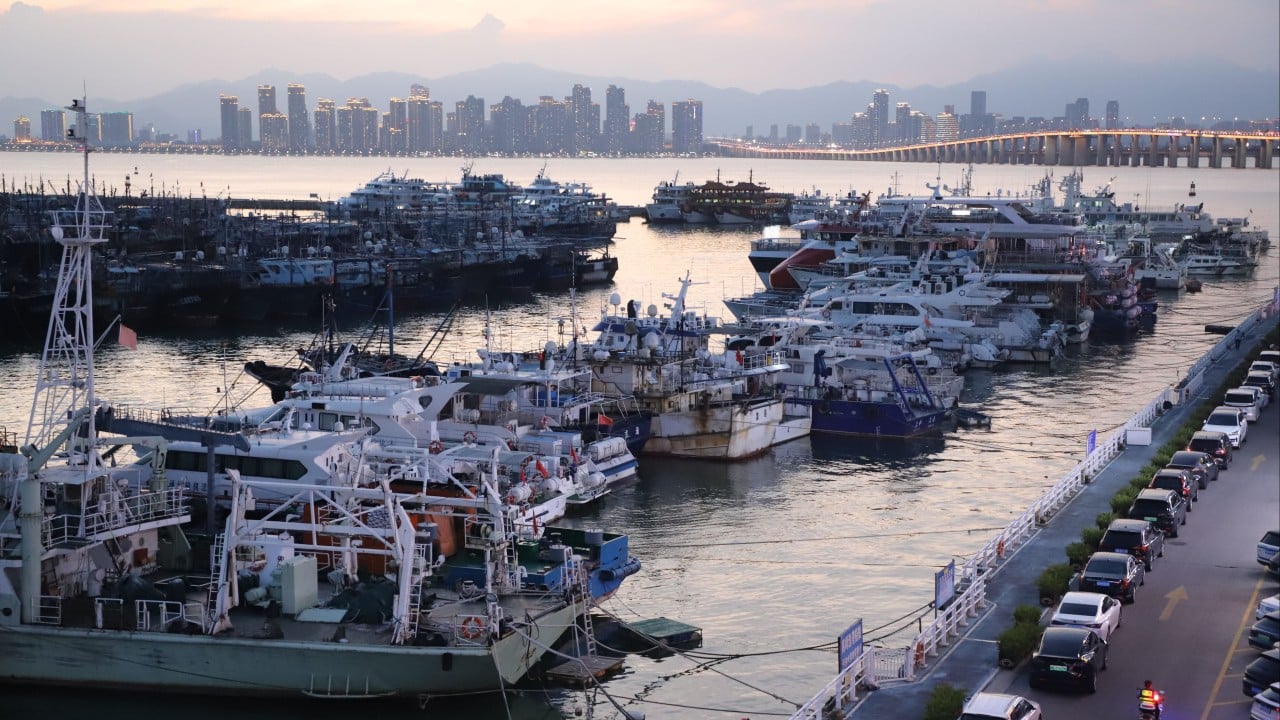


 3 sources
Morning Edition · Saturday, July 11, 2026Published at 1:15 AM EDT · New York
Typhoon Bavi Kills at Least 15 in the Philippines, Forces Mass Evacuations Across Asia
The season's ninth storm reached maximum winds of about 290 kilometers per hour by one measure, canceling hundreds of flights and cutting power to more than 24,000 households in Okinawa.
Typhoon Bavi, the ninth named storm of the season, moved across the western Pacific with severe effect on several economies at once. In the Philippines, BBC News Hindi reported that the storm killed at least 15 people and that, by a NASA measurement, its maximum wind speed reached about 290 kilometers per hour.
In Japan, The Japan Times reported that flights and ferries across Ishigaki Island were suspended for all of Saturday, airlines canceled 345 flights, and more than 24,000 households in Okinawa lost power, while Taiwan evacuated thousands. In eastern China, the South China Morning Post reported that authorities canceled hundreds of flights and trains and stepped up emergency preparations as the storm intensified overnight and moved toward the coast.
The storm's track crosses some of the world's densest manufacturing and shipping corridors, from Taiwan's export hubs to China's eastern seaboard. Disruptions to ports, power and transport in these zones do not stay local, because they interrupt the flow of components and finished goods that supply chains elsewhere depend on.
Part of a tracked trend
Disasters as Political and Supply Shocks
Major natural disasters in commodity-producing states translate into political instability and supply disruptions that markets increasingly have to price, recurring as climate and geological shocks hit fragile economies.
What this means
A powerful storm hitting Taiwan, Okinawa and eastern China at once threatens ports, semiconductor and electronics plants, and the shipping lanes that move their output, so even a short shutdown can delay components that factories abroad rely on. Shippers, insurers and manufacturers with tight inventories are exposed, and the losses concentrate in exactly the high-value export zones the storm is crossing. The scale of the economic hit depends on whether the storm makes a direct landfall on major port and industrial areas or passes offshore.
What to watch
- Bavi's landfall point on China's eastern coast, since a direct hit on major ports would extend the disruption.
- How quickly power and flights are restored in Okinawa and Taiwan, a measure of the hit to output.
- Any reported damage to semiconductor or electronics facilities along the storm's path, which would ripple into global supply chains.
Observations to monitor, not financial advice.
Synthesized from: South China Morning Post · The Japan Times · BBC News Hindi
Townsquare
Start a discussion in Townsquare.
More from this edition
- Russia Bans Diesel Exports Through July 31, Straining Global Fuel Supply
- Trump Declares United States-Iran Ceasefire Over After Tanker Strikes in Hormuz
- Bitcoin Trades Near 64,000 Dollars as Analysts Debate a Path to 300,000
- Reformist Fed Chair, Weak Yen and Earnings Season Set Up a Volatile Summer
- Indian Equity Funds Draw 26 Percent More Cash in June as Monthly Plan Contributions Rise
- China's Automation Drive Leaves Factory Workers Behind in Manufacturing Hubs
- India and New Zealand Elevate Ties to Strategic Partnership, Target Larger Trade by 2030
- IEA Chief Calls Europe's Slow Electrification a 'Major Mistake'
Comments
0No comments yet.