← The Global Intelligence Brief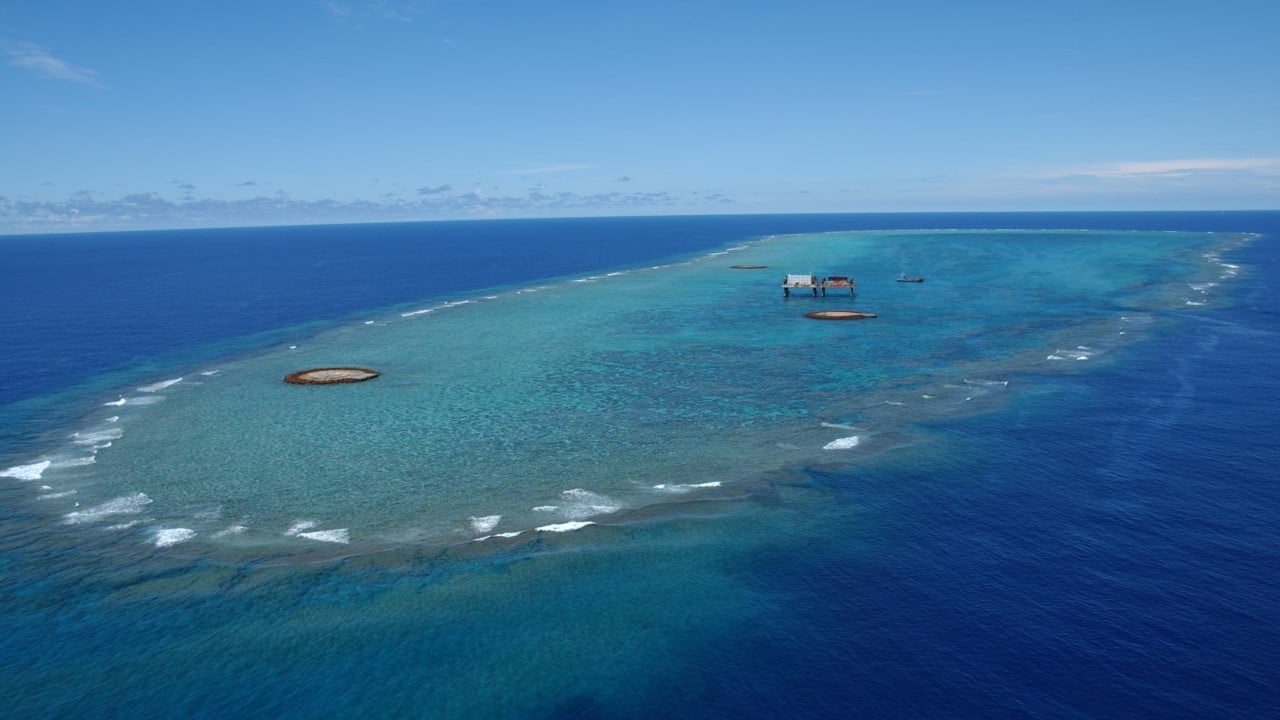

 2 sources
Morning Edition · Tuesday, July 21, 2026Published at 1:13 AM EDT · New York
Asian and Mediterranean Rivals Accelerate Rearmament Amid Naval Drills and Jet Fears
China and Russia held live-fire exercises inside Japan's claimed economic zone as Greece strengthens air defenses over the prospect of advanced fighters going to Turkey.
Two regions showed the same pattern of accelerating arms competition. The South China Morning Post reported that Japan said Chinese and Russian navy ships conducted joint live-fire drills inside Japan's claimed exclusive economic zone in the Pacific on Sunday, an activity Defense Minister Shinjiro Koizumi disclosed and that Tokyo treats as a deliberate demonstration of coordinated pressure.
In the eastern Mediterranean, Israeli financial daily Globes reported that regional states fear the sale of advanced F-35 fighter jets to Turkey, and that Greece, unable to oppose the move openly, is accelerating the modernization of its air force using advanced Israeli systems. The response is to build capability rather than to protest.
The common pattern is that governments facing a shifting military balance are choosing to arm rather than to rely on restraint or diplomacy. Each purchase and exercise raises pressure on neighbors to match it, a cycle that sustains defense spending across regions.
Part of a tracked trend
Indo-Pacific Arms Race Accelerates
Over the next 3-6 months a sharpening regional arms race drives Japan and its neighbors to expand militaries and export weapons—Tokyo moving to sell missiles—as maritime confrontations with China multiply and Asian rearmament gathers pace.
Veracity: Corroborated
82/100- If true, who benefits
Arms manufacturers, including Israeli and other Western suppliers, gain sustained procurement; governments justify higher defense budgets by citing each rival's moves.
- The nuance
The China-Russia live-fire drill in Japan's exclusive economic zone is confirmed by Tokyo, but the linkage to Greece's fear of Turkish F-35s rests on an Israeli-daily assessment, and the two theaters are joined by the article's framing, not by any operational connection.
An open-source-intelligence read of how likely this story is true with its real nuance, not a judgment of any outlet. It assesses the claim, weighing independent and adversarial reporting. How we label confidence.
What this means
Rearmament in both East Asia and the Mediterranean channels public money into defense procurement and benefits weapons manufacturers, including Israeli and other Western suppliers supplying the arms race. The exposed parties are national budgets, which absorb rising defense costs, and neighbors who feel compelled to respond in kind. The mechanism is action and reaction, where one country's acquisition or exercise justifies the next, locking in higher military spending as a durable claim on fiscal resources.
Synthesized from: South China Morning Post · Globes (Hebrew)
Townsquare
Start a discussion in Townsquare.
More from this edition
- Oil Falls Below 90 Dollars Even as Iran Immobilizes Tankers in the Strait of Hormuz
- Trump Imposes 50 Percent Tariffs on 20 Billion Dollars of Canadian Goods
- Iran Says It Struck US Bases in Jordan, Bahrain and Kuwait as War Widens
- China Weighs Export Controls on Its Own AI Models and Chips
- Andy Burnham Becomes UK Prime Minister as Starmer Steps Aside
- China and the Philippines Trade Blame After Sailor Is Injured Near Second Thomas Shoal
- Russia's Foreign Minister Arrives in Manila for ASEAN Talks Alongside US and China
- Indian Earnings Lift UltraTech and Paytm as Domestic Demand Holds
Comments
0No comments yet.