← The Global Intelligence Brief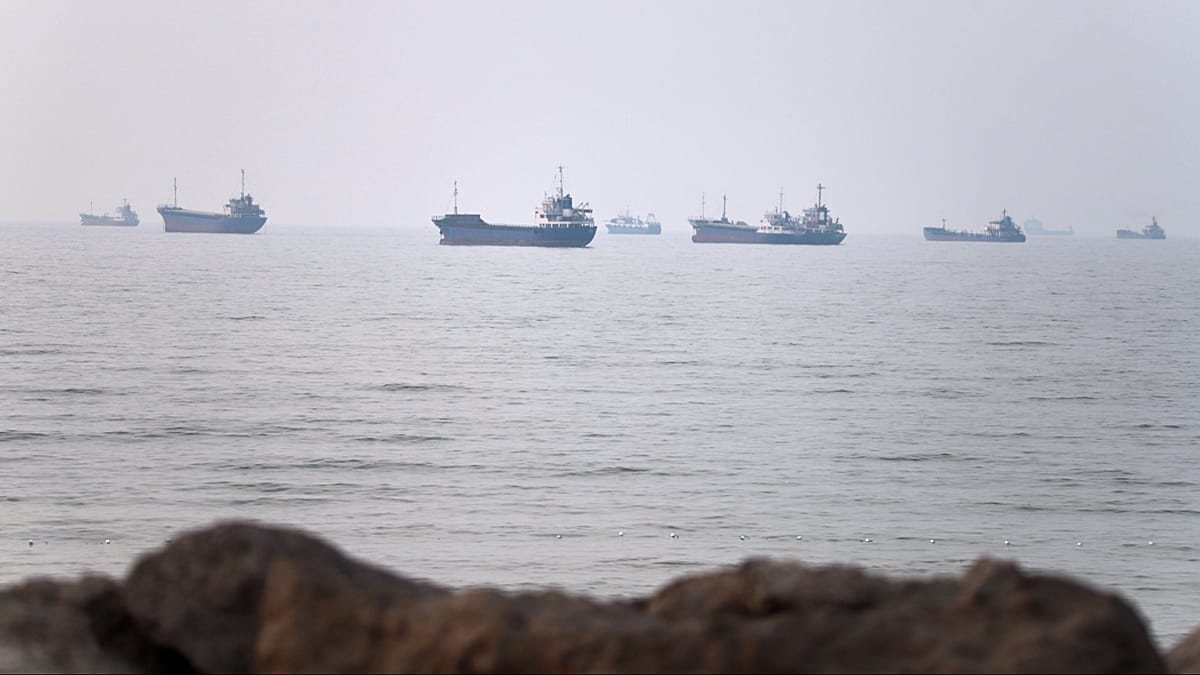


 3 sources
Morning Edition · Tuesday, July 21, 2026Published at 1:13 AM EDT · New York
Oil Falls Below 90 Dollars Even as Iran Immobilizes Tankers in the Strait of Hormuz
Mediation talks pushed crude lower despite a tenth night of US strikes, and traders are pricing both continued war and a possible truce through the world's most important oil passage.
Crude oil traded below 90 dollars a barrel on Tuesday even as the war between the United States and Iran reached the Strait of Hormuz, the channel that carries roughly a fifth of the world's seaborne oil. Diplomacy drove the decline. Indian markets reported that mediation between Washington and Tehran had reduced the risk premium and pushed prices under 90 dollars, with the Sensex and Nifty little changed on the day.
That steadiness in prices contrasts with escalation at sea. Iran's Revolutionary Guards said they stopped two "non-compliant" tankers attempting to transit a southern route through the strait, and Euronews reported that the United States carried out strikes on Iran for a tenth consecutive night while Iran's interior minister traveled to Pakistan, a mediator, for talks.
Israeli financial daily Globes described parallel diplomatic efforts to reopen Hormuz and reported an Israeli assessment that Iran had moved thousands of centrifuges to a deeply buried site, while the United States military said it had completed its latest round of strikes. A push for a ceasefire and continued fighting over the strait are happening at the same time, which is why crude is not pricing a single outcome.
For investors focused on inflation, the pattern matters more than any single day's price. Each round of confrontation changes energy prices, and energy prices are a direct input to the headline inflation that central banks have spent two years trying to suppress. A managed, reversible truce keeps that risk in place indefinitely.
Part of a tracked trend
Middle East War Premium Returns to Oil
Renewed US-Iran conflict reinstates a geopolitical risk premium in crude that reverses the earlier de-escalation slide, feeding energy-driven inflation and redistributing income toward oil producers each time brinkmanship flares.
Veracity: Corroborated
77/100- If true, who benefits
Gulf oil producers capture higher revenue on any premium, while traders and importers from India to Japan gain from a mediated de-escalation that caps delivered fuel costs.
- The nuance
Iran calls the vessels "non-compliant" tankers it stopped, while US accounts describe strikes on a tanker skirting Iran's own blockade, so who is actually immobilizing whom in Hormuz is the disputed core, and crude was reported near $83, not just under $90.
An open-source-intelligence read of how likely this story is true with its real nuance, not a judgment of any outlet. It assesses the claim, weighing independent and adversarial reporting. How we label confidence.
What this means
Oil prices are the main channel through which the Gulf conflict reaches the global economy. When traffic through Hormuz is threatened, importers from India to Japan face higher delivered fuel costs and wider current-account deficits, while Gulf producers earn the extra revenue. Crude fell on hopes for mediation even though tankers were stopped, which shows traders expect the easing of tensions to hold. That means any breakdown in talks would quickly push prices back up and raise the inflation expectations that constrain the Federal Reserve and other central banks.
Synthesized from: Economic Times · Euronews · Globes
Townsquare
Start a discussion in Townsquare.
More from this edition
- Trump Imposes 50 Percent Tariffs on 20 Billion Dollars of Canadian Goods
- Iran Says It Struck US Bases in Jordan, Bahrain and Kuwait as War Widens
- China Weighs Export Controls on Its Own AI Models and Chips
- Andy Burnham Becomes UK Prime Minister as Starmer Steps Aside
- China and the Philippines Trade Blame After Sailor Is Injured Near Second Thomas Shoal
- Russia's Foreign Minister Arrives in Manila for ASEAN Talks Alongside US and China
- Indian Earnings Lift UltraTech and Paytm as Domestic Demand Holds
- Europe Confronts a Fragmented Banking System and Costly Enlargement
Comments
0No comments yet.