← The Global Intelligence Brief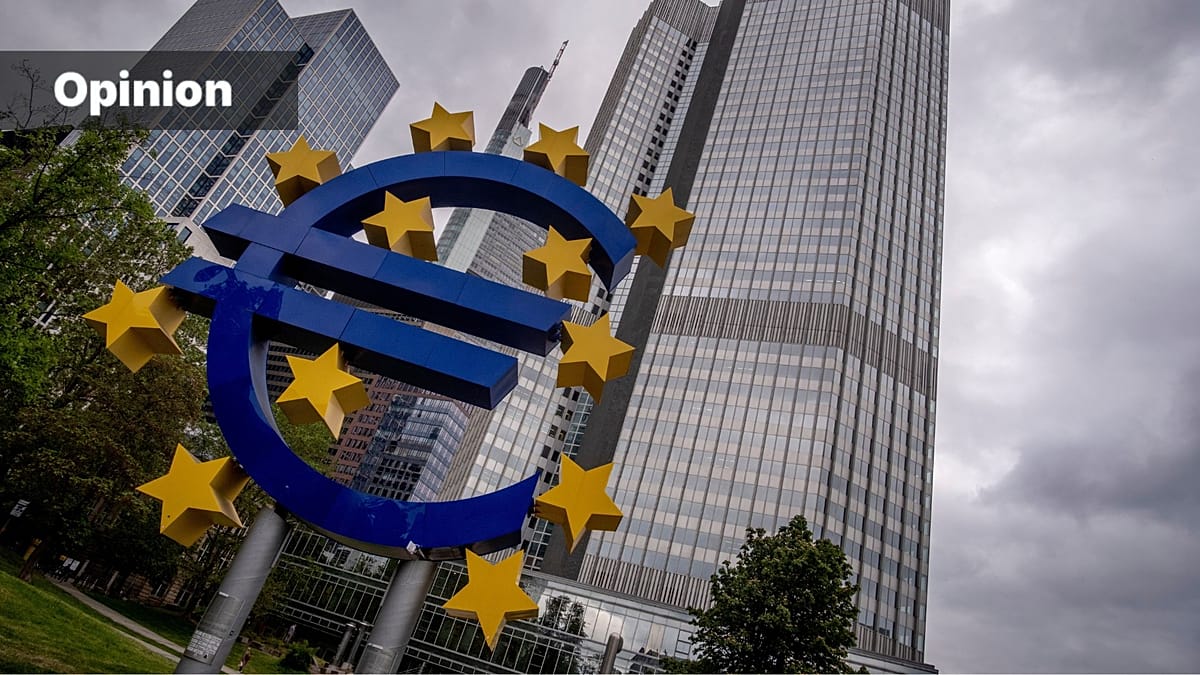
 2 sources
Morning Edition · Tuesday, July 21, 2026Published at 1:13 AM EDT · New York
Europe Confronts a Fragmented Banking System and Costly Enlargement
A senior banker calls for pan-European financial champions just as Montenegro's 3.2 billion euro accession package tests how the bloc will pay for expansion.
Two questions about the European Union's financial future came up on the same day. In an opinion piece for Euronews, Frédéric Oudéa, chairman of Revolut Western Europe, argued that Europe should move beyond fragmented national banking markets and build pan-European champions capable of financing innovation, defense and the green transition. His premise is that a fragmented set of domestic banks cannot mobilize capital at the scale the bloc now needs.
At the same time, the cost of expanding the union is drawing scrutiny. Euronews reported that Montenegro's 3.2 billion euro accession package, while small relative to the bloc's overall budget, could set a precedent for how future enlargements are funded, complicating already tense negotiations.
The two issues share a common cause. Europe wants to finance defense, industry and new members, but its capital markets and banks remain divided along national lines, and its budget is contested. Deeper integration would raise the bloc's capacity to fund those ambitions, and every enlargement makes the integration question harder to defer.
What this means
Europe's fragmented banks and contested budget limit how much capital the bloc can direct toward defense, industrial policy and enlargement. The exposed parties are European governments that need financing at scale and the banks that would consolidate to provide it, with the channel running through cross-border mergers, a genuine capital markets union and the size of the shared budget. Whether Europe integrates further or stalls will determine if it can self-finance strategic priorities or keeps depending on external capital and the United States.
What to watch
- Progress on cross-border bank mergers or a capital markets union, the practical test of whether Europe can build financial champions.
- How the Montenegro package is structured, because it sets the template for funding larger candidates such as Ukraine or the Western Balkans.
Observations to monitor, not financial advice.
Synthesized from: Euronews (banking) · Euronews (Montenegro)
Townsquare
Start a discussion in Townsquare.
More from this edition
- Oil Falls Below 90 Dollars Even as Iran Immobilizes Tankers in the Strait of Hormuz
- Trump Imposes 50 Percent Tariffs on 20 Billion Dollars of Canadian Goods
- Iran Says It Struck US Bases in Jordan, Bahrain and Kuwait as War Widens
- China Weighs Export Controls on Its Own AI Models and Chips
- Andy Burnham Becomes UK Prime Minister as Starmer Steps Aside
- China and the Philippines Trade Blame After Sailor Is Injured Near Second Thomas Shoal
- Russia's Foreign Minister Arrives in Manila for ASEAN Talks Alongside US and China
- Indian Earnings Lift UltraTech and Paytm as Domestic Demand Holds
Comments
0No comments yet.