← The Global Intelligence Brief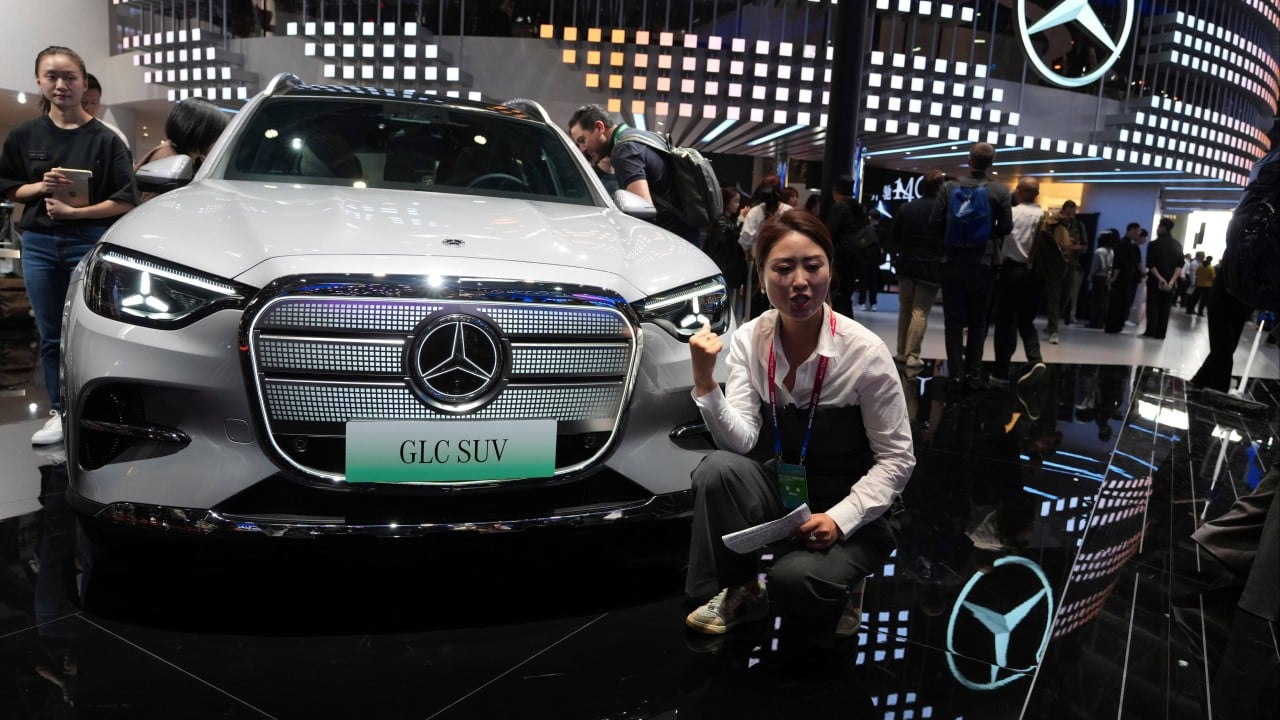

 3 sources
Morning Edition · Wednesday, July 22, 2026Published at 1:17 AM EDT · New York
Foreign Carmakers Keep Losing Ground in China as Beijing Exports Its Industrial Surplus
Luxury brands from Mercedes-Benz to Land Rover lost further sales last month as domestic electric-vehicle makers advanced, part of a self-sufficiency drive one analysis argues shields China from outside coercion.
International luxury car brands continued to lose sales in China last month, as wealthy buyers kept moving away from expensive petrol-powered vehicles toward domestic electric models. The South China Morning Post reported that brands including Mercedes-Benz and Land Rover saw sales erode even in the premium segment that once insulated them from Chinese competition.
The decline is part of a larger structural shift. The Financial Times argued that China's high degree of self-sufficiency reduces its vulnerability to economic coercion, a central asset in what it called a contest among neo-mercantilist states that use industrial policy for strategic advantage. That policy is visible in freight as well as passenger cars. Beijing is pushing to make electric vehicles at least 40% of new heavy-goods truck sales by 2030, which would require about 1.6 million electric trucks on its roads.
The combination of weak domestic demand and vast productive capacity leaves China dependent on exporting its manufacturing surplus. That dependence sustains trade friction with the United States and Europe and exports price deflation to its trading partners. Foreign incumbents that once relied on Chinese demand for profit now face both a shrinking share inside China and rising Chinese competition in their own markets.
What this means
The mechanism is overcapacity meeting weak internal demand. When a country builds far more industrial capacity than its consumers can absorb, the surplus must be exported. That pushes down global prices for cars, batteries, and capital goods and lowers the profit margins of foreign producers in autos and machinery. European and Japanese carmakers lose pricing power and Chinese market share at the same time, while importing economies receive cheaper goods and imported disinflation. The same self-sufficiency that protects China against sanctions leaves its trading partners more exposed to its export flows.
What to watch
- Chinese passenger-vehicle export volumes, because continued growth would confirm surplus capacity is being pushed abroad rather than absorbed at home.
- New European Union or United States tariff actions on Chinese electric vehicles, which would show how far trading partners will go to block the surplus.
Observations to monitor, not financial advice.
Synthesized from: South China Morning Post (carmakers) · Financial Times · South China Morning Post (electric trucks)
Townsquare
Start a discussion in Townsquare.
More from this edition
- United States Bombs Iran for an 11th Night as War Cost Reaches $37.5 Billion and Oil Holds Near a Monthly High
- Trump Approves 30-Year Nuclear Pact With Saudi Arabia That Could Allow Uranium Enrichment
- Samsung Weighs €1 Billion Bet on Mistral as China's Moonshot Rushes to a Hong Kong Listing
- Indian Bank Guidance Cut Sends Bandhan Down 10% Even as Auto and Hotel Earnings Climb
- Russia Strikes Odesa Ports as Ukrainian Drones Ignite a Warehouse Complex in Krasnodar
- Boeing Asks Washington to Challenge a Record European Loan to Airbus
- Indonesia Restarts a Contested South China Sea Gas Field Despite Beijing's Objections
Comments
0No comments yet.