← The Global Intelligence Brief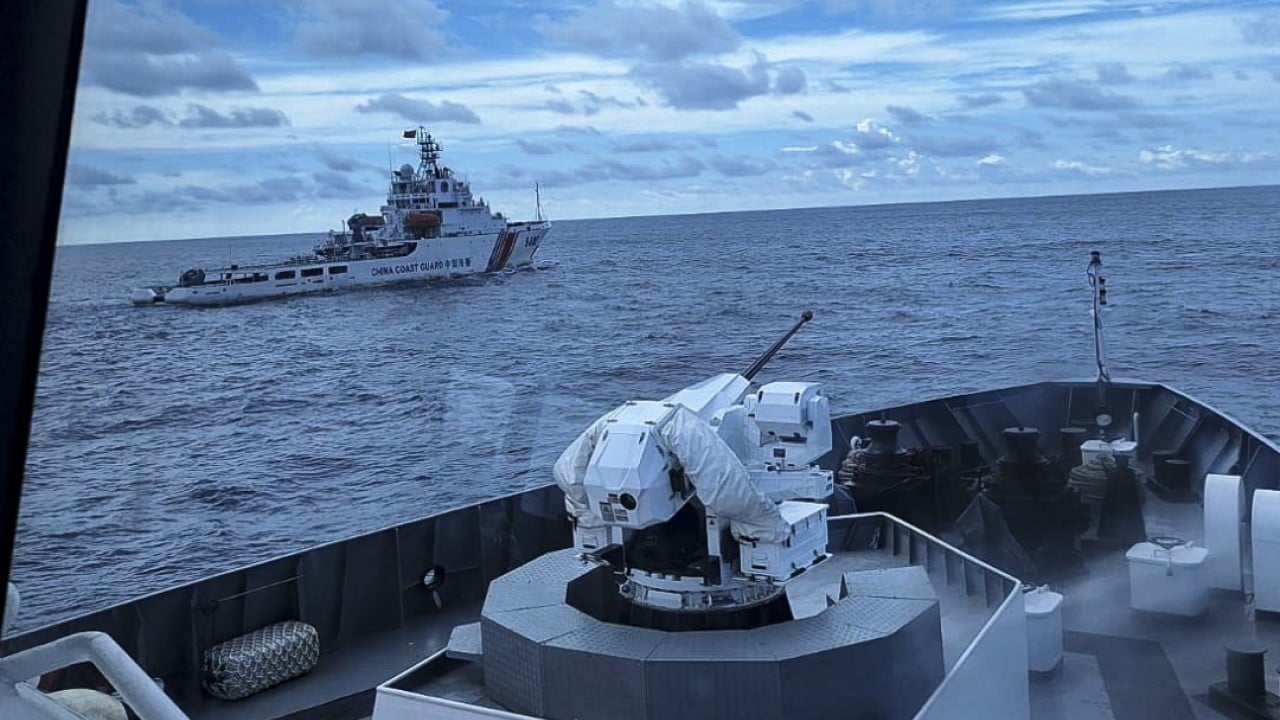

 2 sources
Morning Edition · Wednesday, July 22, 2026Published at 1:17 AM EDT · New York
Indonesia Restarts a Contested South China Sea Gas Field Despite Beijing's Objections
Work has resumed at the Tuna and North Natuna assets under a new operator, with reporting indicating a Russian state partner, testing both Chinese pressure and sanctions risk.
Indonesia's long-stalled gas project in the North Natuna Sea is being revived. The South China Morning Post reported that the field's new operator, the Indonesian company Prime Group, confirmed activities have resumed at a strategically sensitive block after years of commercial uncertainty and pressure from China, which claims parts of those waters.
The restart carries a further dimension. Reporting on the Tuna development indicates the project is proceeding with a Russian state energy partner, which exposes Jakarta to Western sanctions risk even as it defies Chinese objections. Indonesia is therefore managing two great-power pressures at once in a single offshore field.
The security situation is intensifying. President Prabowo Subianto, addressing newly commissioned officers, warned of cyber warfare and urged the military and police to master new technologies. The remarks reflect a broader Indonesian push to defend its maritime and digital sovereignty as competition in the region intensifies.
Veracity: Corroborated
79/100- If true, who benefits
Jakarta gains energy supply and a sovereignty assertion in contested waters, and Russia's Zarubezhneft keeps a foothold in Southeast Asian gas.
- The nuance
The "defies sanctions" framing overstates a still-fragile restart, since the Russian partner has signaled it may exit and seek a replacement, and Prabowo's cyber-warfare remarks are only loosely connected to the field.
An open-source-intelligence read of how likely this story is true with its real nuance, not a judgment of any outlet. It assesses the claim, weighing independent and adversarial reporting. How we label confidence.
What this means
The channel is contested energy resources and the sovereignty claims around them. By restarting production in waters China claims, Indonesia asserts control over its exclusive economic zone and adds future gas supply, while inviting Chinese coast-guard pressure and, through a Russian partner, potential sanctions exposure. Jakarta gains energy security and negotiating leverage, China risks a precedent of neighbors developing disputed blocks, and Western capitals face a middle-power partner hedging between all sides. Each such restart clarifies which countries actually develop South China Sea resources, regardless of overlapping claims.
Synthesized from: South China Morning Post · Antara
Townsquare
Start a discussion in Townsquare.
More from this edition
- United States Bombs Iran for an 11th Night as War Cost Reaches $37.5 Billion and Oil Holds Near a Monthly High
- Foreign Carmakers Keep Losing Ground in China as Beijing Exports Its Industrial Surplus
- Trump Approves 30-Year Nuclear Pact With Saudi Arabia That Could Allow Uranium Enrichment
- Samsung Weighs €1 Billion Bet on Mistral as China's Moonshot Rushes to a Hong Kong Listing
- Indian Bank Guidance Cut Sends Bandhan Down 10% Even as Auto and Hotel Earnings Climb
- Russia Strikes Odesa Ports as Ukrainian Drones Ignite a Warehouse Complex in Krasnodar
- Boeing Asks Washington to Challenge a Record European Loan to Airbus
Comments
0No comments yet.