← The Global Intelligence Brief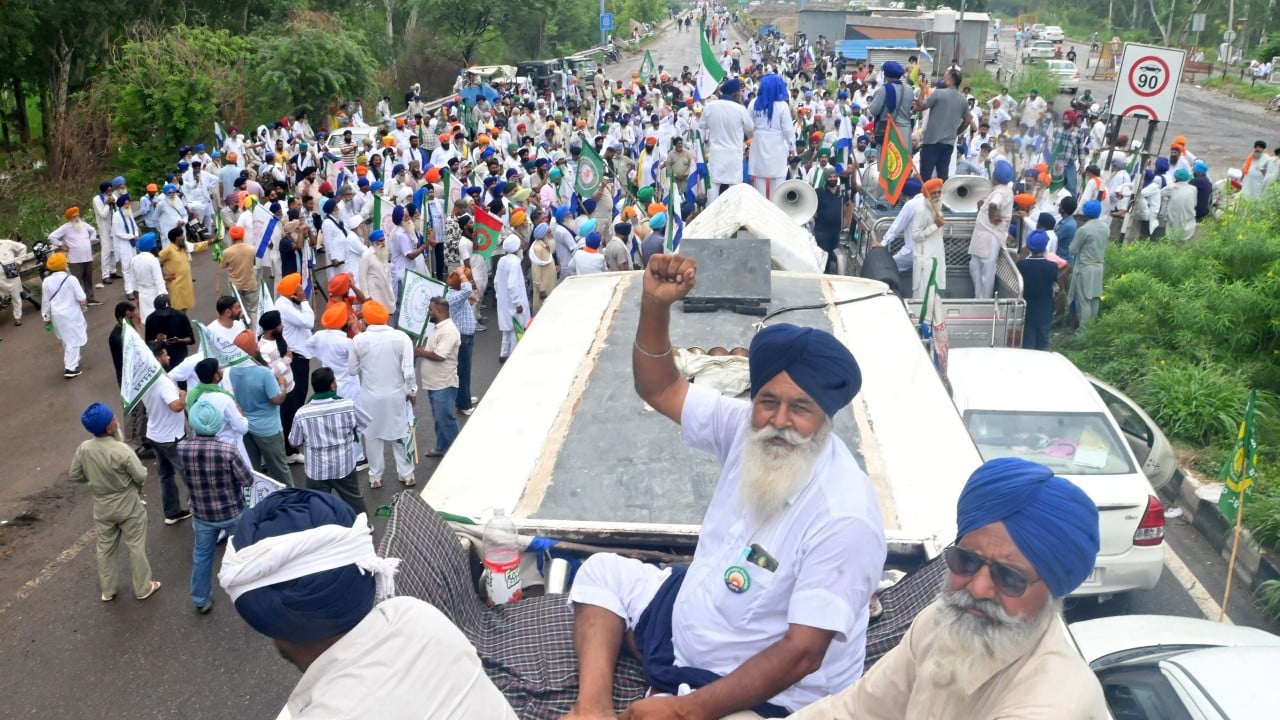

 2 sources
Morning Edition · Thursday, July 23, 2026Published at 1:16 AM EDT · New York
Indian Equities Fall a Fourth Day on Oil as Modi Weighs a Trade Bet on Washington
The Sensex dropped more than 300 points and the Nifty slid below 23,950 as a US deal to redirect farm exports displaced by the China trade war provokes domestic opposition.
Indian stocks extended losses for a fourth straight session on Thursday, with the Sensex down more than 300 points and the Nifty below 23,950, as surging oil prices following US strikes on Iran raised costs for India, a large energy importer, the Economic Times reported. Higher crude widens India's import bill and pressures the rupee, a channel that reliably transmits Middle East risk into Indian assets.
The selloff overlaps with a political test. The South China Morning Post reported that Prime Minister Narendra Modi faces mounting domestic opposition to a potential trade deal placing India at the center of President Trump's effort to redirect American agricultural exports displaced by the US-China conflict. Farm groups fear an influx of cheaper US produce.
The two pressures compound: an external energy shock and a contested realignment toward Washington that carries political cost at home even as it promises tariff relief.
Part of a tracked trend
Middle East War Premium Returns to Oil
Renewed US-Iran conflict reinstates a geopolitical risk premium in crude that reverses the earlier de-escalation slide, feeding energy-driven inflation and redistributing income toward oil producers each time brinkmanship flares.
Veracity: Plausible
71/100- If true, who benefits
US agricultural exporters gaining Indian market access and Washington's push to pull India off Russian oil, while Modi's government bets tariff relief outweighs anger from a rural base facing import competition.
- The nuance
The interim deal and farmer backlash are documented, but the specific framing that it mainly reroutes US produce displaced by the China trade war is one interpretation, and reporting shows talks unresolved on India's core demands.
An open-source-intelligence read of how likely this story is true with its real nuance, not a judgment of any outlet. It assesses the claim, weighing independent and adversarial reporting. How we label confidence.
What this means
India sits at the intersection of two forces the market must price together. As an oil importer it loses when the war premium rises, through a wider current-account gap and a softer rupee that imports inflation. As a swing partner in Washington's trade realignment it gains tariff access but risks oversupplying its own farm sector, a politically sensitive base. The exposed parties are the rupee, energy-sensitive Indian equities, and Modi's coalition, which must weigh export gains against rural anger.
What to watch
Synthesized from: The Economic Times · South China Morning Post
Townsquare
Start a discussion in Townsquare.
More from this edition
- Oil Pushes Above 95 Dollars as Houthis Strike Saudi Tankers and US Bombs Iran for a 12th Day
- US Strikes Iran for a 12th Straight Day as Both Sides Threaten Civilian Infrastructure
- Japan Settles Into Its First 1 Percent Policy Rate in Three Decades
- US Signs 30-Year Nuclear Pact With Saudi Arabia That Could Open a Path to Enrichment
- Bitcoin Slips Back Toward the Mid-60,000s as Oil, Rates, and a Regulatory Setback Weigh
- Lavrov and Rubio Meet in Manila as Moscow Hardens Its Ukraine Position
- Iran Claims Strikes on US Bases in the Gulf, Testing the Region's Host States
- France Records More Than 5,800 Excess Deaths as Heat and Wildfires Grip Southern Europe
Comments
0No comments yet.