← The Global Intelligence Brief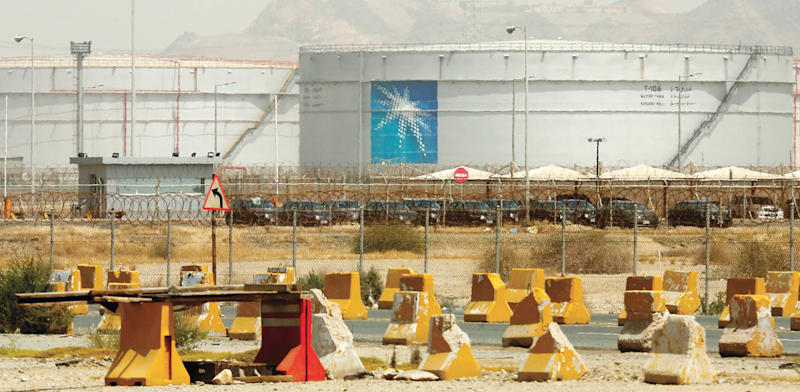


 4 sources
Morning Edition · Thursday, July 23, 2026Published at 1:16 AM EDT · New York
Oil Pushes Above 95 Dollars as Houthis Strike Saudi Tankers and US Bombs Iran for a 12th Day
Brent has recovered roughly 30 percent from its July lows, reversing the price decline that followed the earlier US-Iran truce, as shipowners avoid the Strait of Hormuz.
Crude oil rose further early Thursday after Yemen's Houthi movement said it struck two Saudi Arabian oil tankers, the Encelia and the Layla, in the Red Sea, and the United States carried out strikes on Iran for a twelfth consecutive day. The Israeli financial daily Globes reported Brent crude rising about 2.1 percent to above 96 dollars a barrel and West Texas Intermediate up about 1.7 percent near 87 dollars. The move followed Wednesday's close, when Brent settled near 94 dollars after trading above 95 dollars during the session.
The Houthis said the tanker attacks enforce a maritime embargo they declared against Saudi Arabia in retaliation for a blockade on Yemen and a strike on Sanaa's airport. A Saudi news agency confirmed damage to one of the two vessels.
The Financial Times reported that Brent rose on the news, and a separate FT military briefing noted the renewed American air campaign has not yet persuaded shipowners the waterway can be made safe. A US-led monitoring center in Bahrain said commercial traffic through the Strait of Hormuz fell to a three-week low.
Part of a tracked trend
Middle East War Premium Returns to Oil
Renewed US-Iran conflict reinstates a geopolitical risk premium in crude that reverses the earlier de-escalation slide, feeding energy-driven inflation and redistributing income toward oil producers each time brinkmanship flares.
Veracity: Corroborated
81/100- If true, who benefits
Non-Gulf crude exporters and traders positioned long, plus the Houthi movement's claim to hold leverage over Saudi shipping, while oil importers absorb the reinstated war premium.
- The nuance
The Houthis said both tankers were set ablaze, but independent reporting and Saudi authorities confirm only a hit on the Encelia; the Layla's condition and the real scale of disruption remain unverified.
An open-source-intelligence read of how likely this story is true with its real nuance, not a judgment of any outlet. It assesses the claim, weighing independent and adversarial reporting. How we label confidence.
What this means
Every dollar of the reinstated war premium in crude transfers income from oil importers to producers and adds directly to headline inflation through fuel and freight. Energy-importing economies such as India, Japan, and much of Europe absorb the cost through wider trade deficits and weaker currencies, while central banks that were expecting to ease face a supply-driven price shock they cannot offset with rate cuts. The mechanism is physical, not monetary. Tankers rerouting or idling raises the delivered price of oil regardless of policy.
What to watch
Synthesized from: Financial Times · Globes (Hebrew) · Euronews · Financial Times (Hormuz briefing)
Townsquare
Start a discussion in Townsquare.
More from this edition
- US Strikes Iran for a 12th Straight Day as Both Sides Threaten Civilian Infrastructure
- Japan Settles Into Its First 1 Percent Policy Rate in Three Decades
- US Signs 30-Year Nuclear Pact With Saudi Arabia That Could Open a Path to Enrichment
- Bitcoin Slips Back Toward the Mid-60,000s as Oil, Rates, and a Regulatory Setback Weigh
- Indian Equities Fall a Fourth Day on Oil as Modi Weighs a Trade Bet on Washington
- Lavrov and Rubio Meet in Manila as Moscow Hardens Its Ukraine Position
- Iran Claims Strikes on US Bases in the Gulf, Testing the Region's Host States
- France Records More Than 5,800 Excess Deaths as Heat and Wildfires Grip Southern Europe
Comments
0No comments yet.