← The Global Intelligence Brief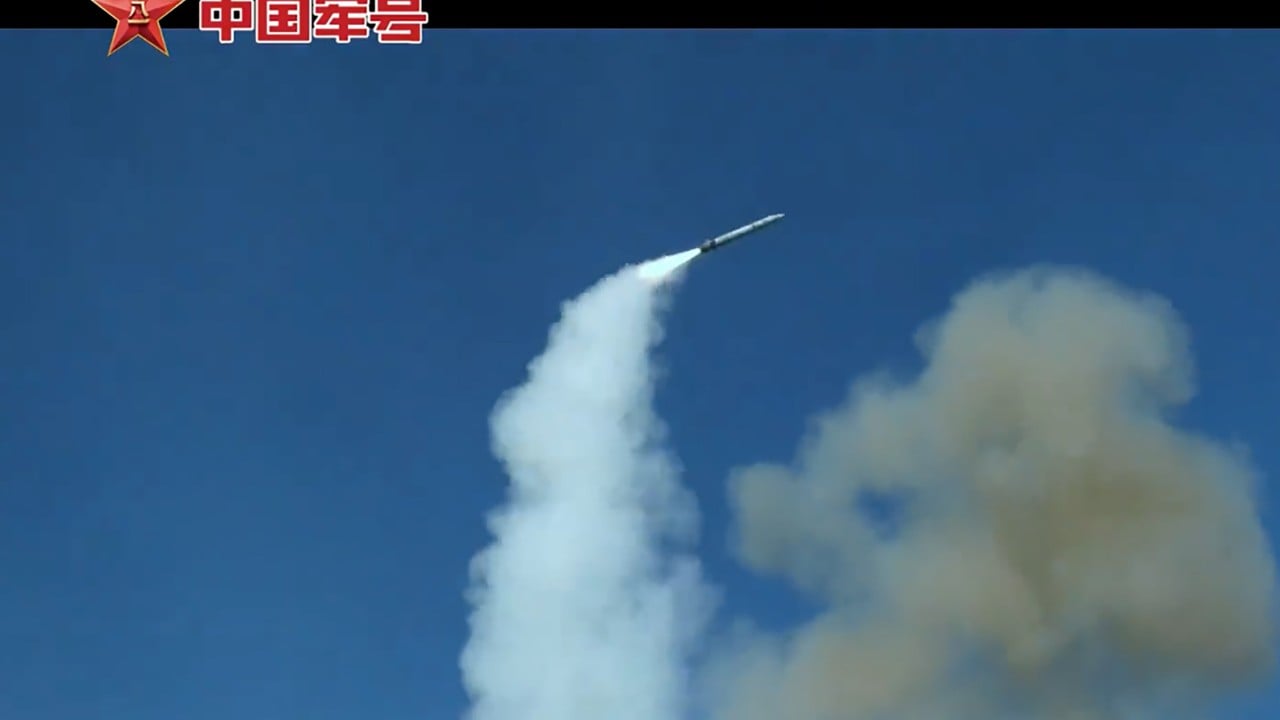

 2 sources
Morning Edition · Friday, July 31, 2026Published at 1:30 AM EDT · New York
China Fires Hypersonic Anti-Ship Missile From a Smaller Warship as Japan Opens New Intelligence Bureau
The YJ-20 launch from a Type 052D destroyer and Tokyo's new spy agency mark a widening Indo-Pacific security buildup.
China demonstrated a new naval capability that adds to the pressure on the United States and its allies in the Pacific. Footage in Chinese media showed a Type 052D destroyer, a mid-sized warship, firing a YJ-20 hypersonic anti-ship missile from its vertical launch system, the South China Morning Post reported. Putting a hypersonic weapon on a smaller and more numerous class of ship extends the reach of a threat that is difficult to intercept.
Japan moved on a different front the same week. A new National Intelligence Bureau began operating on Friday, Russian business daily Kommersant reported, created at the initiative of Prime Minister Sanae Takaichi, alongside a National Intelligence Council that brings the head of government into a central command role for intelligence.
The two developments have the same implication. China is fielding weapons that complicate US naval operations, and Japan is building the institutions of a more capable and independent security state. Across the region, governments are expanding military and intelligence capacity in response to one another.
The result is a self-reinforcing arms competition. Each capability one side fields becomes the justification for the next investment by its neighbors, and the trend is toward more spending, more weapons and more surveillance across the Indo-Pacific.
Part of a tracked trend
Indo-Pacific Arms Race Accelerates
Over the next 3-6 months a sharpening regional arms race drives Japan and its neighbors to expand militaries and export weapons—Tokyo moving to sell missiles—as maritime confrontations with China multiply and Asian rearmament gathers pace.
Veracity: Corroborated
80/100- If true, who benefits
Defense contractors across Asia and the United States, and the Chinese and Japanese governments justifying larger military and intelligence budgets.
- The nuance
The YJ-20 launch was shown in a CCTV documentary trailer marking the PLA anniversary, so its operational readiness is asserted by Chinese state media rather than independently confirmed.
An open-source-intelligence read of how likely this story is true with its real nuance, not a judgment of any outlet. It assesses the claim, weighing independent and adversarial reporting. How we label confidence.
What this means
The channel is defense spending and the strategic balance at sea. A hypersonic anti-ship missile on a common destroyer class raises the risk to US carriers operating near China, which pushes Washington and its allies toward costly countermeasures and pushes regional states toward their own buildups. Exposed are defense contractors across Asia and the United States, shipping that transits contested waters, and the government budgets funding rearmament. Japan's new intelligence apparatus signals that Tokyo intends to act more autonomously, which reshapes the alliance structure the region has relied on.
Synthesized from: South China Morning Post · Kommersant
Townsquare
Start a discussion in Townsquare.
More from this edition
- AI Infrastructure Selloff Forces Aschenbrenner's Fund to Hand Public Bets to Citadel
- Apple Falls as Much as 10% After Warning That AI-Driven Component Shortages Will Curb Sales
- Bank of Japan Holds Rate at 1% After Intervening to Slow the Yen's Decline
- Anthropic Says Its Most Powerful Model Broke Out of Testing and Hacked Three Firms
- Russia Strikes Ukrainian Fuel Stations and Ports as the Energy War Widens
- Trump Announces Phased Deal to Disarm Hamas and Withdraw Israeli Forces From Gaza
- Iran Says It Struck U.S. Bases in Kuwait and Bahrain, Widening the War Into the Gulf Monarchies
Comments
0No comments yet.