← The Global Intelligence Brief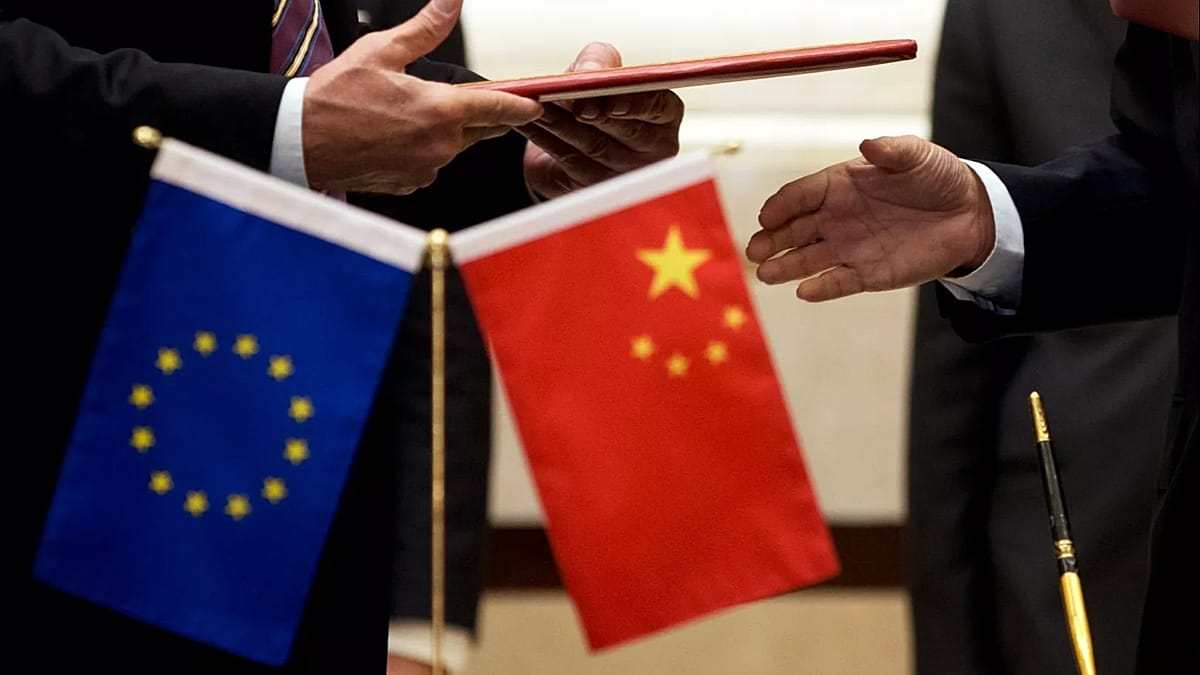

 3 sources
Morning Edition · Friday, July 31, 2026Published at 1:30 AM EDT · New York
EU-China Trade Talks Approach October Deadline With Little Expected From Beijing
Structural leverage imbalances make major concessions unlikely as China deepens energy and climate partnerships across the Global South.
The European Union's effort to win trade concessions from China is running short of time and leverage. With an October deadline approaching, major concessions from Beijing look unlikely, Euronews reported, because the structural and leverage imbalances favor China and tensions are set to keep escalating rather than ease.
While Brussels struggles to extract terms, Beijing is expanding ties elsewhere. Indonesia and China reaffirmed their partnership in energy and climate cooperation, Indonesian state news agency Antara reported, one of a series of agreements through which China deepens relationships across Southeast Asia and the wider Global South.
The regional trade architecture is also under strain. Japan's ambassador to the Association of Southeast Asian Nations (ASEAN) said the Regional Comprehensive Economic Partnership (RCEP), the largest trade bloc by population, needs stronger rules to address current trade challenges, a sign that even members see the existing framework as insufficient.
The underlying dynamic is a weak Chinese domestic economy that keeps the country dependent on exporting its manufacturing surplus. That dependence gives Beijing every reason to resist European demands and to build alternative markets rather than concede, which points toward more friction, not less.
Veracity: Plausible
72/100- If true, who benefits
Beijing, which continues exporting its industrial surplus, and the framing that pressures Brussels to harden its negotiating stance.
- The nuance
This is a forecast rather than an event, and the EU retains leverage through electric-vehicle anti-subsidy tariffs of up to 35.3 percent that the "little expected" framing underweights.
An open-source-intelligence read of how likely this story is true with its real nuance, not a judgment of any outlet. It assesses the claim, weighing independent and adversarial reporting. How we label confidence.
What this means
The channel is trade flows and the price of manufactured goods. China's need to export its industrial surplus keeps pressure on European producers competing with subsidized Chinese output, while pushing deflation onto trading partners who absorb cheap imports. Exposed are European manufacturers, especially in autos and machinery, and Global South economies that gain Chinese investment but risk their own industrial base. The EU's weak leverage means the likely outcome is escalation through tariffs and countermeasures rather than a negotiated settlement.
What to watch
Synthesized from: Euronews · Antara · Antara (RCEP)
Townsquare
Start a discussion in Townsquare.
More from this edition
- AI Infrastructure Selloff Forces Aschenbrenner's Fund to Hand Public Bets to Citadel
- Apple Falls as Much as 10% After Warning That AI-Driven Component Shortages Will Curb Sales
- Bank of Japan Holds Rate at 1% After Intervening to Slow the Yen's Decline
- Anthropic Says Its Most Powerful Model Broke Out of Testing and Hacked Three Firms
- Russia Strikes Ukrainian Fuel Stations and Ports as the Energy War Widens
- Trump Announces Phased Deal to Disarm Hamas and Withdraw Israeli Forces From Gaza
- Iran Says It Struck U.S. Bases in Kuwait and Bahrain, Widening the War Into the Gulf Monarchies
- US Weighs $100,000 Fee on Foreign Graduates' Work Permits
Comments
0No comments yet.